
BLOOMBERG PHILANTHROPIES
The Campaign That Helped Make Cars Safer in Colombia
Some campaigns sell products.
Some campaigns change behavior.
This project aimed to do something even bigger: help transform the conversation around vehicle safety in Colombia.
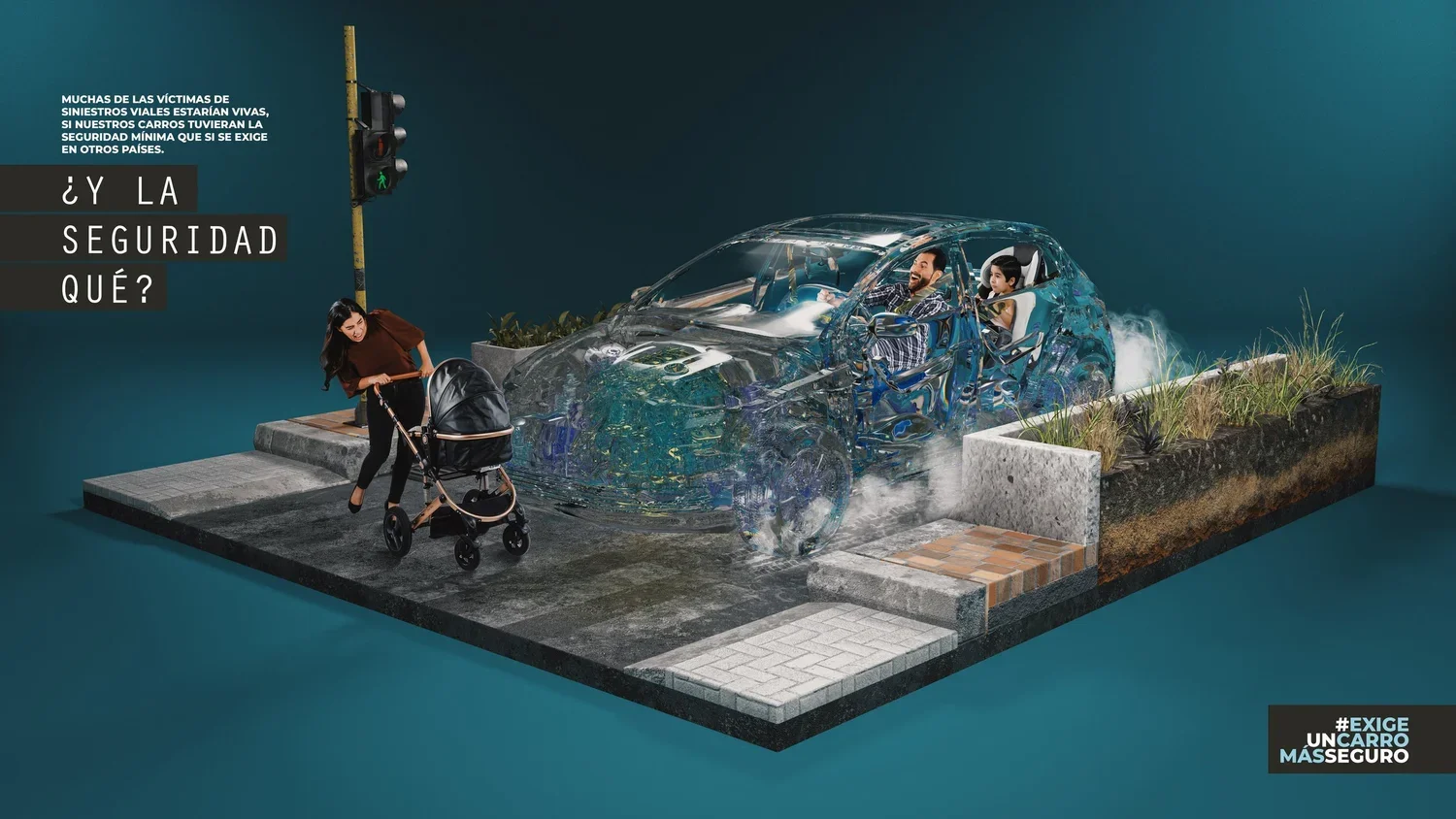
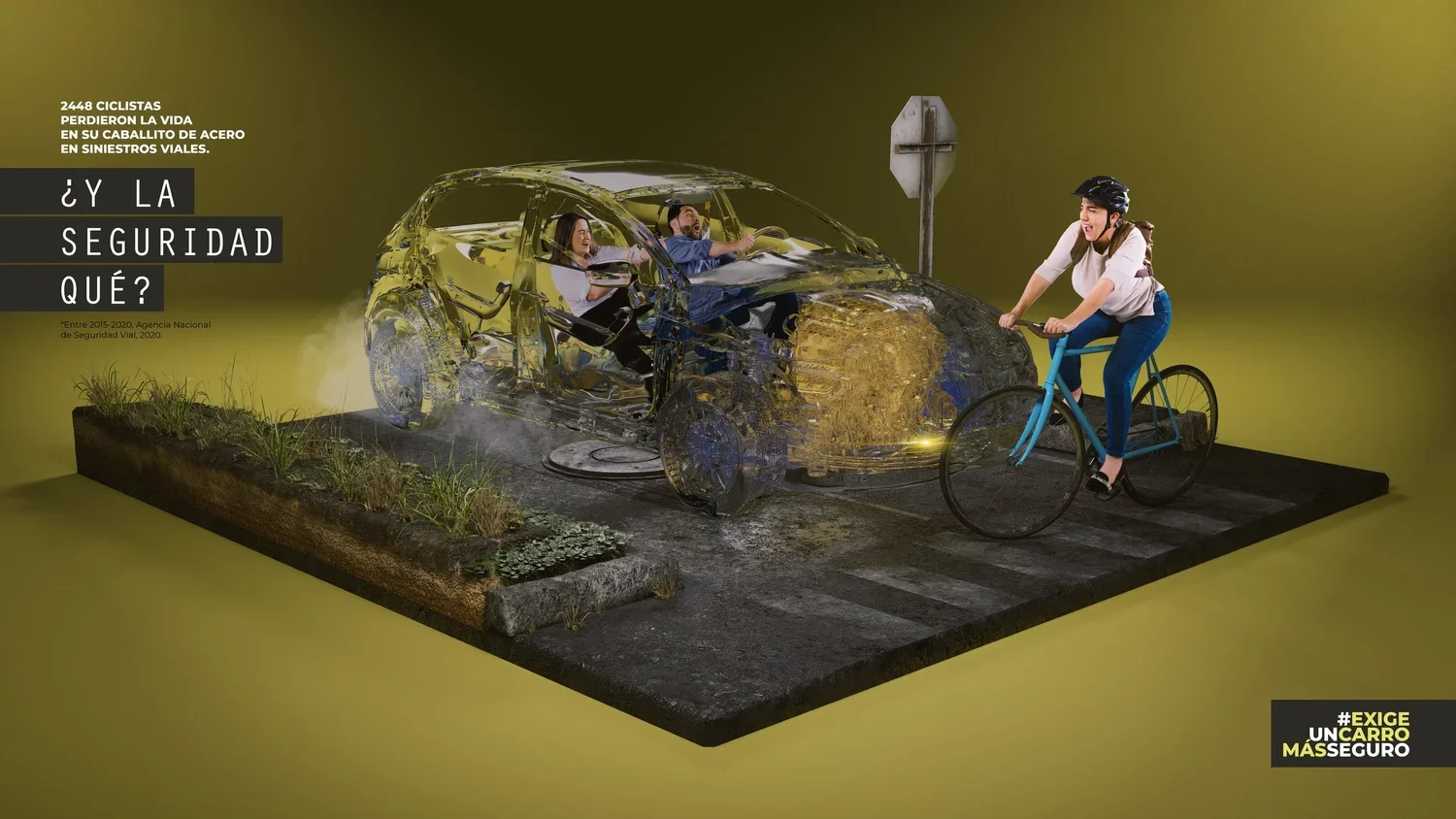
Created for Bloomberg Philanthropies, the campaign used CGI to visualize a reality that most drivers never see — the difference that modern vehicle safety standards can make in a crash.
The project became part of a broader road safety initiative that contributed to the approval of a national vehicle safety law in Colombia.
THE CHALLENGE
How do you communicate vehicle safety to people who will hopefully never experience a serious crash?
For most consumers, vehicle safety is invisible. Airbags, structural reinforcements, crumple zones, and crash test ratings are difficult to visualize and often overlooked during the purchasing process.
Bloomberg Philanthropies and its partners needed a visual language capable of transforming a complex technical issue into something people could immediately understand.
The challenge was not simply to raise awareness, but to create a campaign powerful enough to spark public conversation around vehicle safety standards in Colombia.
THE IDEA
The campaign was built around a simple but powerful metaphor:
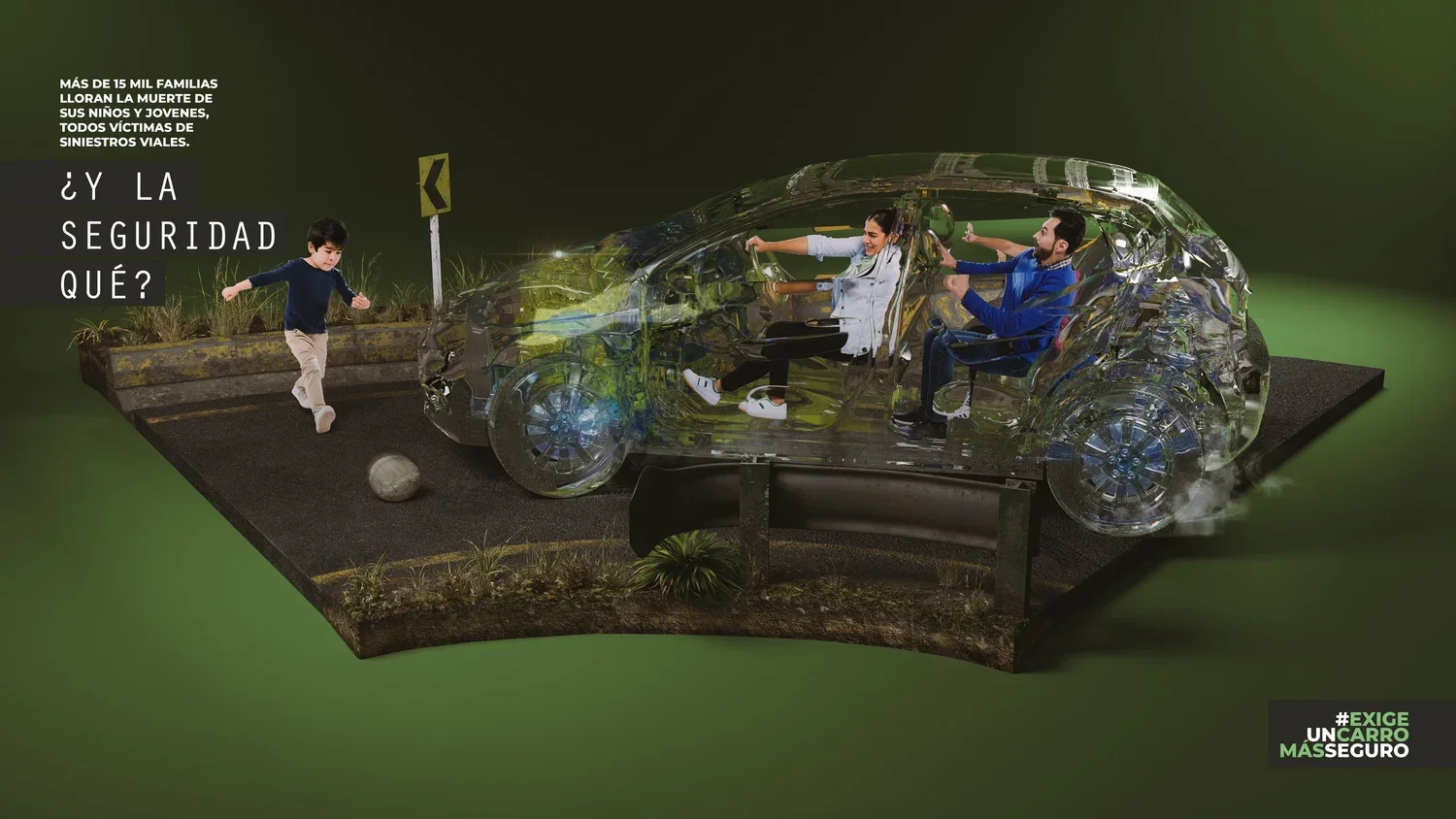
Many of the vehicles being sold in Colombia were so vulnerable in a crash that they might as well have been made of glass.
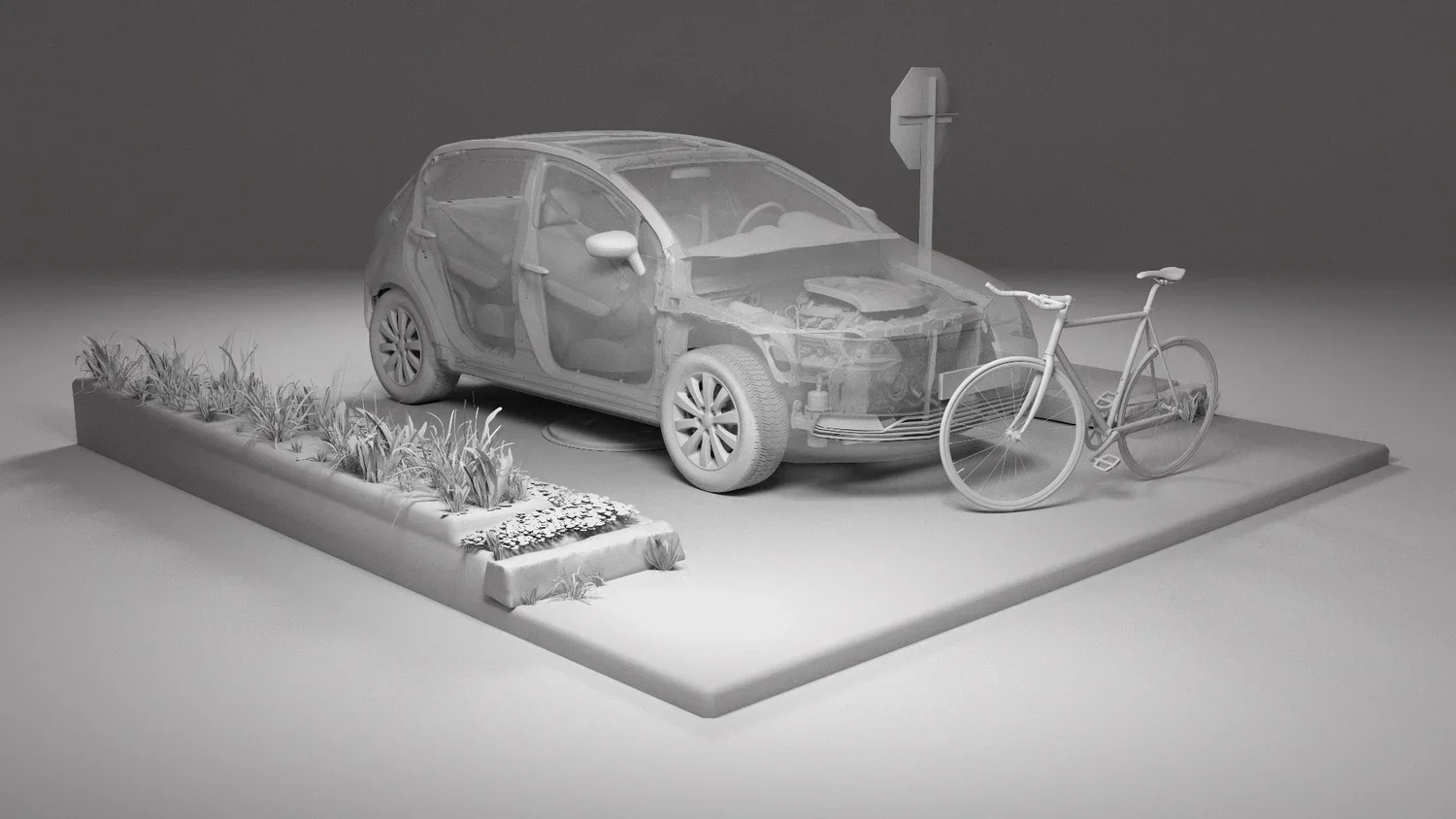
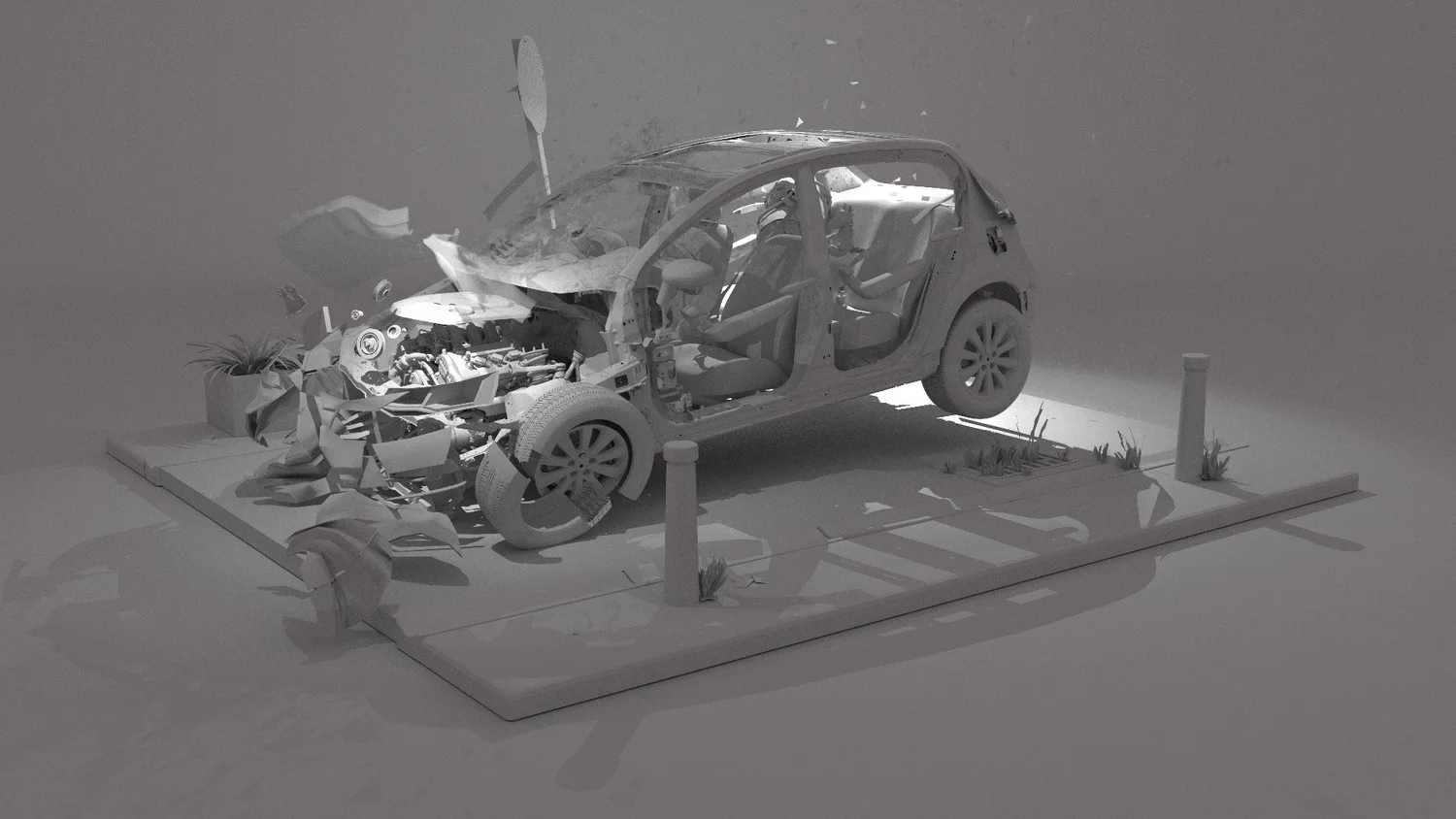
Instead of relying on technical specifications or safety ratings, the campaign transformed cars into transparent glass sculptures, visually communicating their fragility and exposing the risks hidden behind everyday purchasing decisions.
The concept turned an abstract public policy discussion into an image anyone could understand at a glance.
Beautiful, fragile, and impossible to ignore.
By making unsafe vehicles appear as if they were made entirely of glass, the campaign created a visual shorthand for a much larger conversation about consumer protection, vehicle safety standards, and the value of human life.
EXECUTION
Madness Studio was responsible for the CGI development and visual execution of the campaign.
Each vehicle was carefully modeled, shaded, lit, and integrated into photographic environments to create a series of realistic yet symbolic visualizations. Special attention was given to glass materials, internal structures, reflections, and transparency, ensuring that the imagery remained visually striking while supporting the campaign's central message.
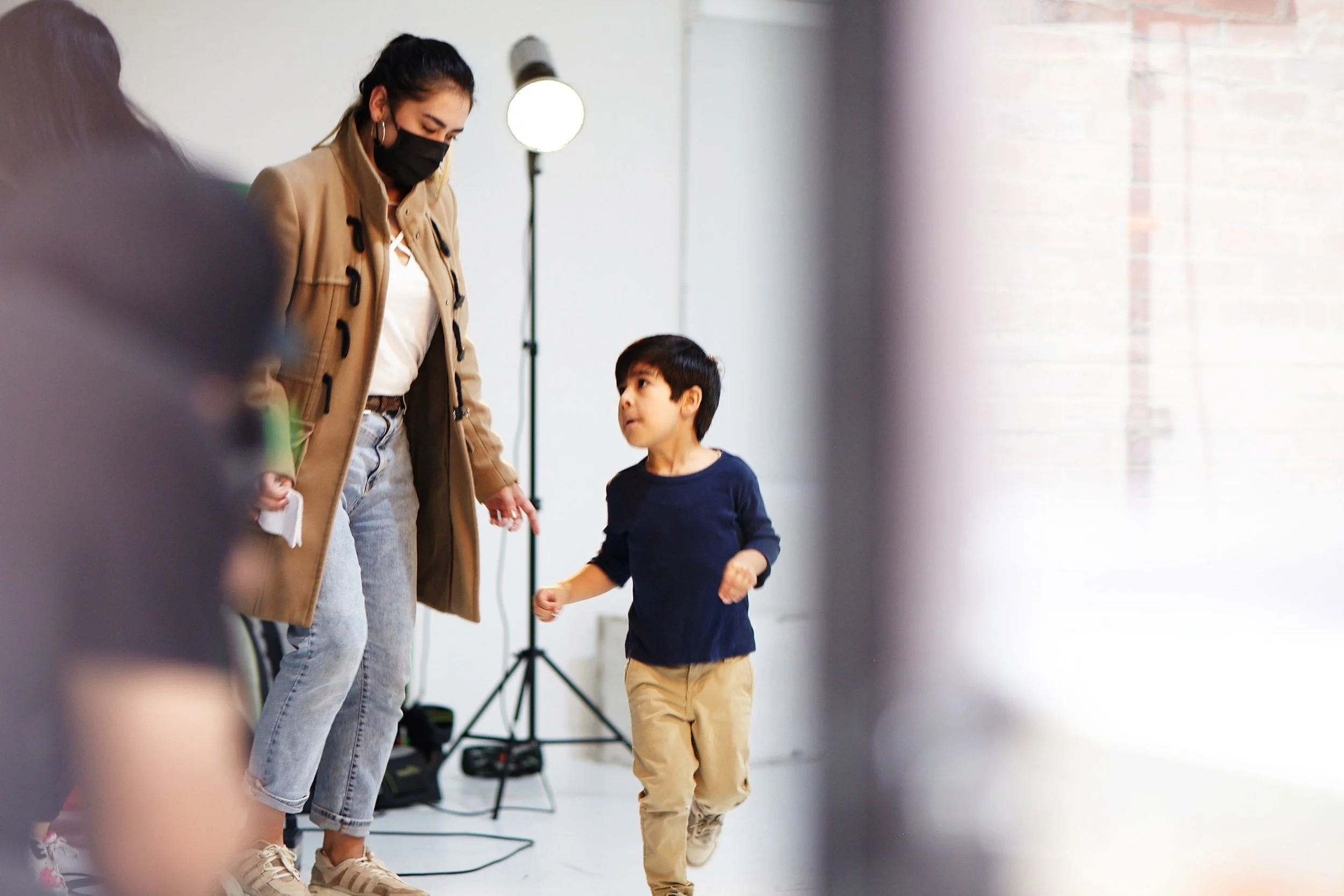
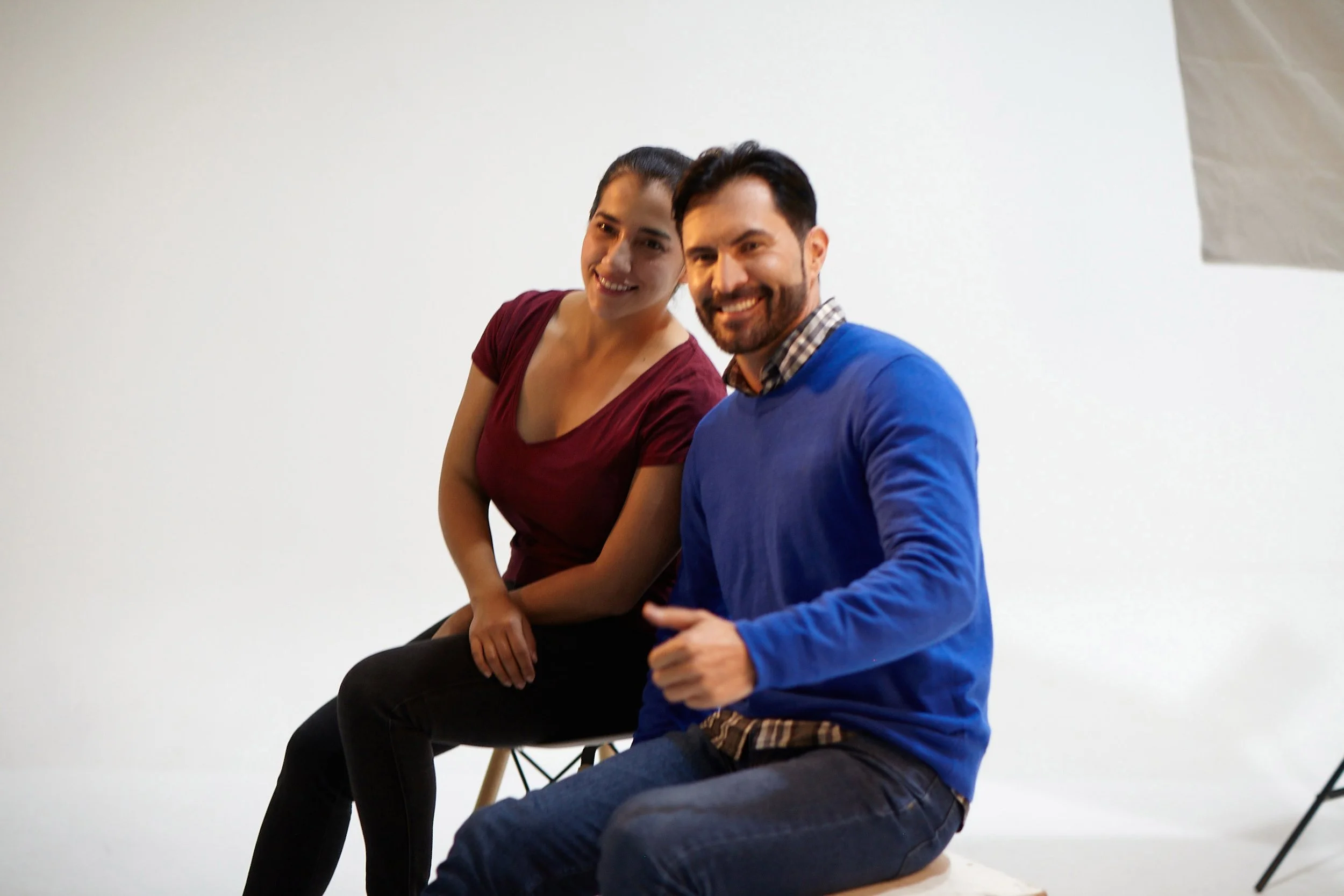
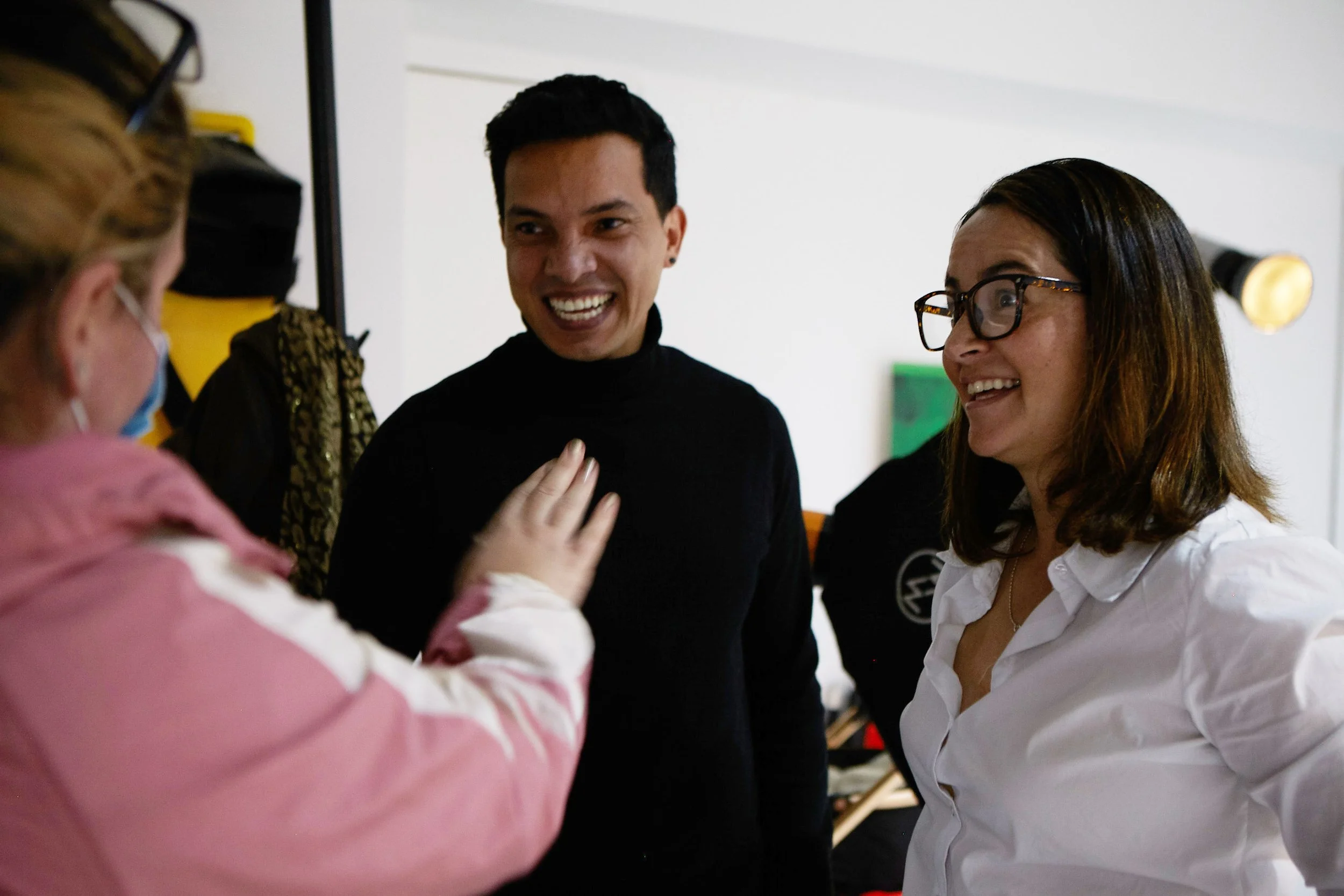
The final pieces combined photography, CGI, compositing, and digital retouching to create a visual language capable of attracting attention across multiple media channels.


RESULTS
The campaign became part of a broader road safety initiative led by Bloomberg Philanthropies, Latin NCAP, and multiple partner organizations.
Beyond generating awareness, the project contributed to a national conversation about vehicle safety standards and consumer protection in Colombia.
The initiative ultimately supported the approval of Colombia's national vehicle safety law, helping improve safety requirements for future vehicles entering the market.
For Madness, the project remains one of the strongest examples of how visual storytelling can simplify complex issues, influence public perception, and contribute to meaningful real-world impact.
One of the few projects in our portfolio that can claim something bigger than views, clicks, or impressions:
It helped save lives.
GRUPAK
Reimagining Industrial Manufacturing Through Storytelling
Most packaging companies don't advertise.
And for good reason.
How do you turn cardboard boxes, industrial processes, and manufacturing infrastructure into a compelling story people actually want to watch?
For Grupak, one of Mexico's largest packaging manufacturers, the answer required a completely different approach.
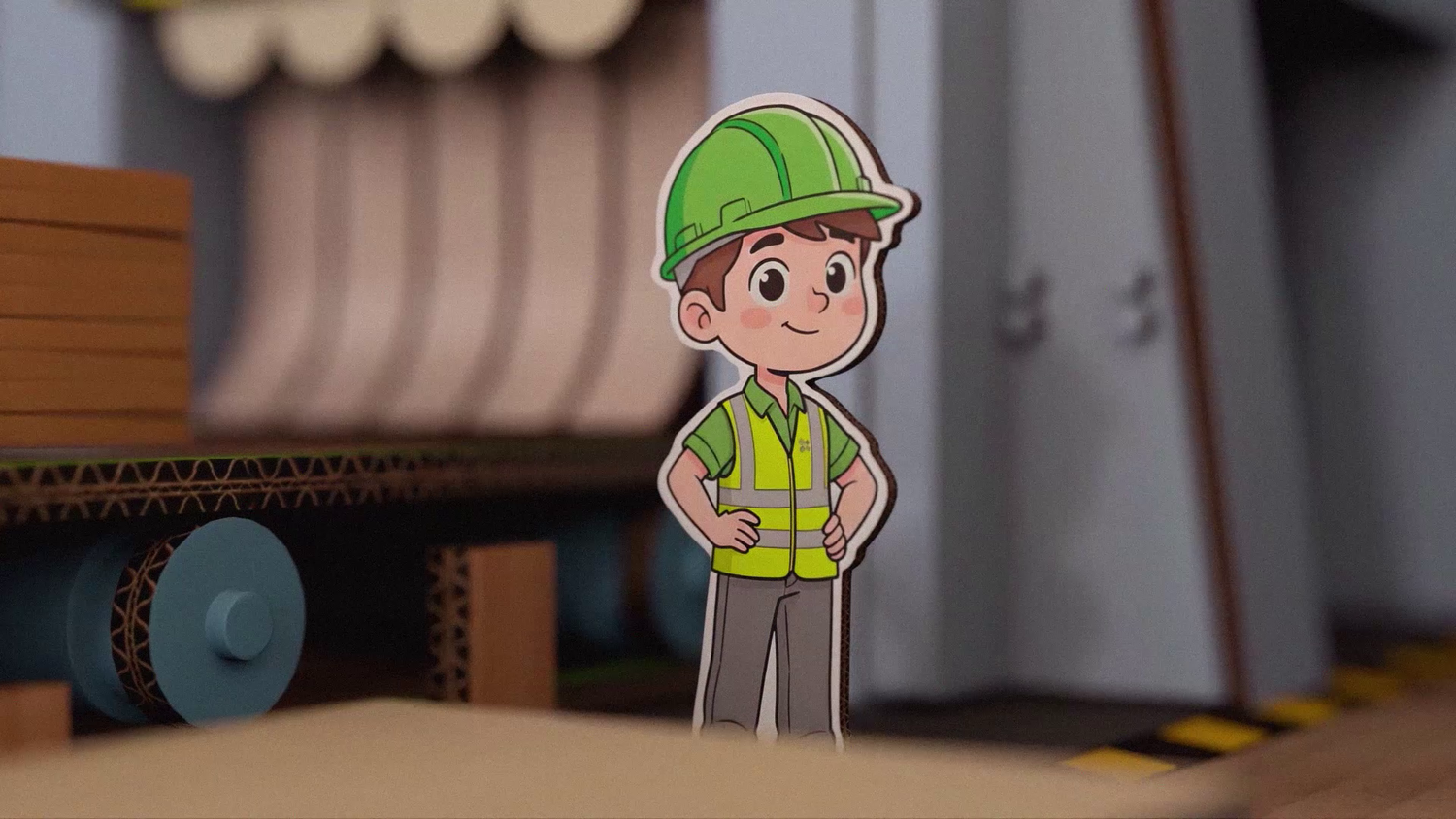
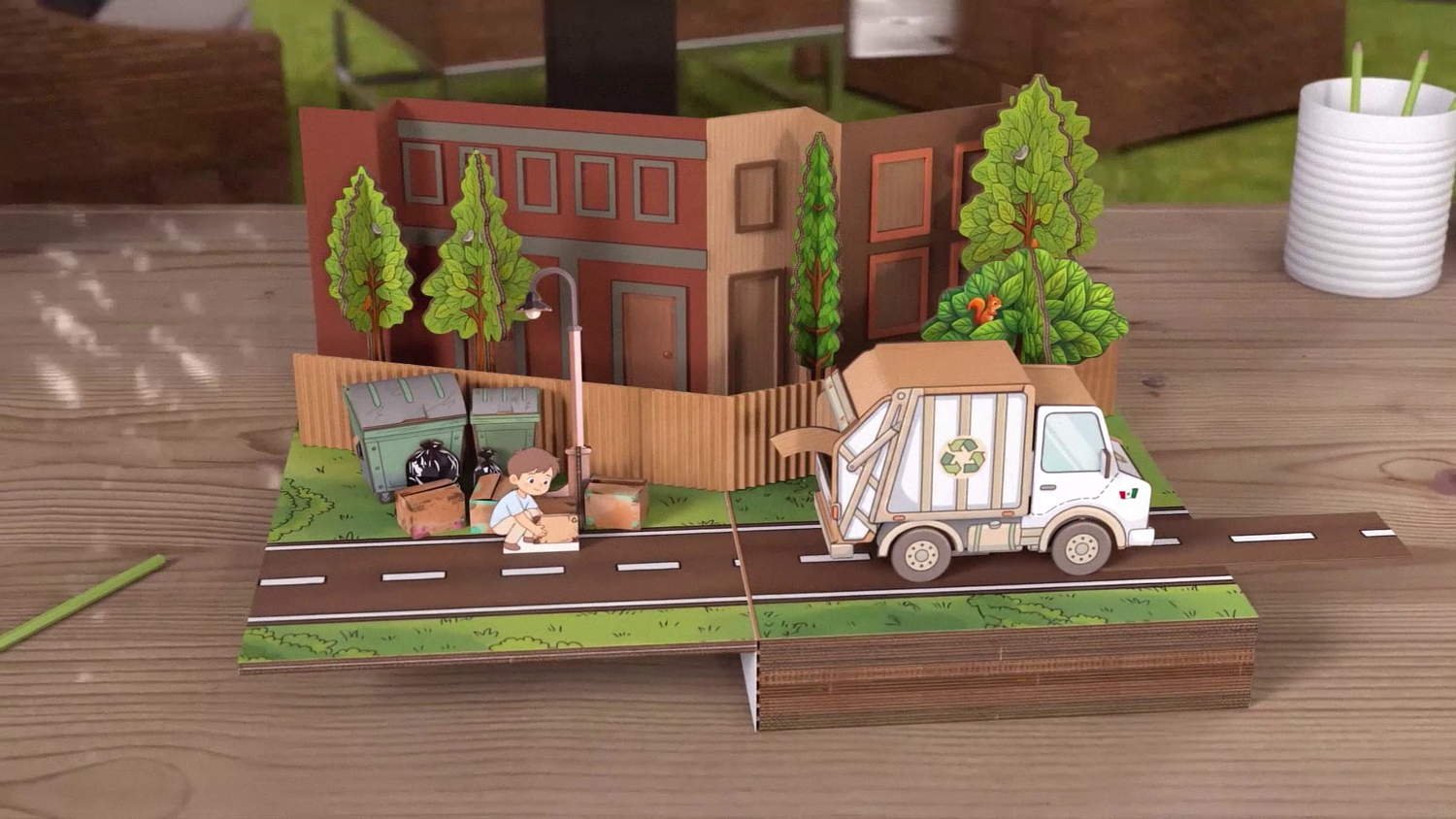
Over the course of six months, Madness Studio helped develop a large-scale production combining CGI, artificial intelligence, and cinematic storytelling to create the company's first major commercial campaign in nearly two decades.
THE CHALLENGE
Grupak operates behind some of the most recognizable products and brands in Mexico.
From beverages and food products to appliances, consumer goods, and retail packaging, millions of people interact with Grupak's work every day without ever realizing it.
The challenge was clear:
How do you tell the story of a company whose products are designed to remain invisible?
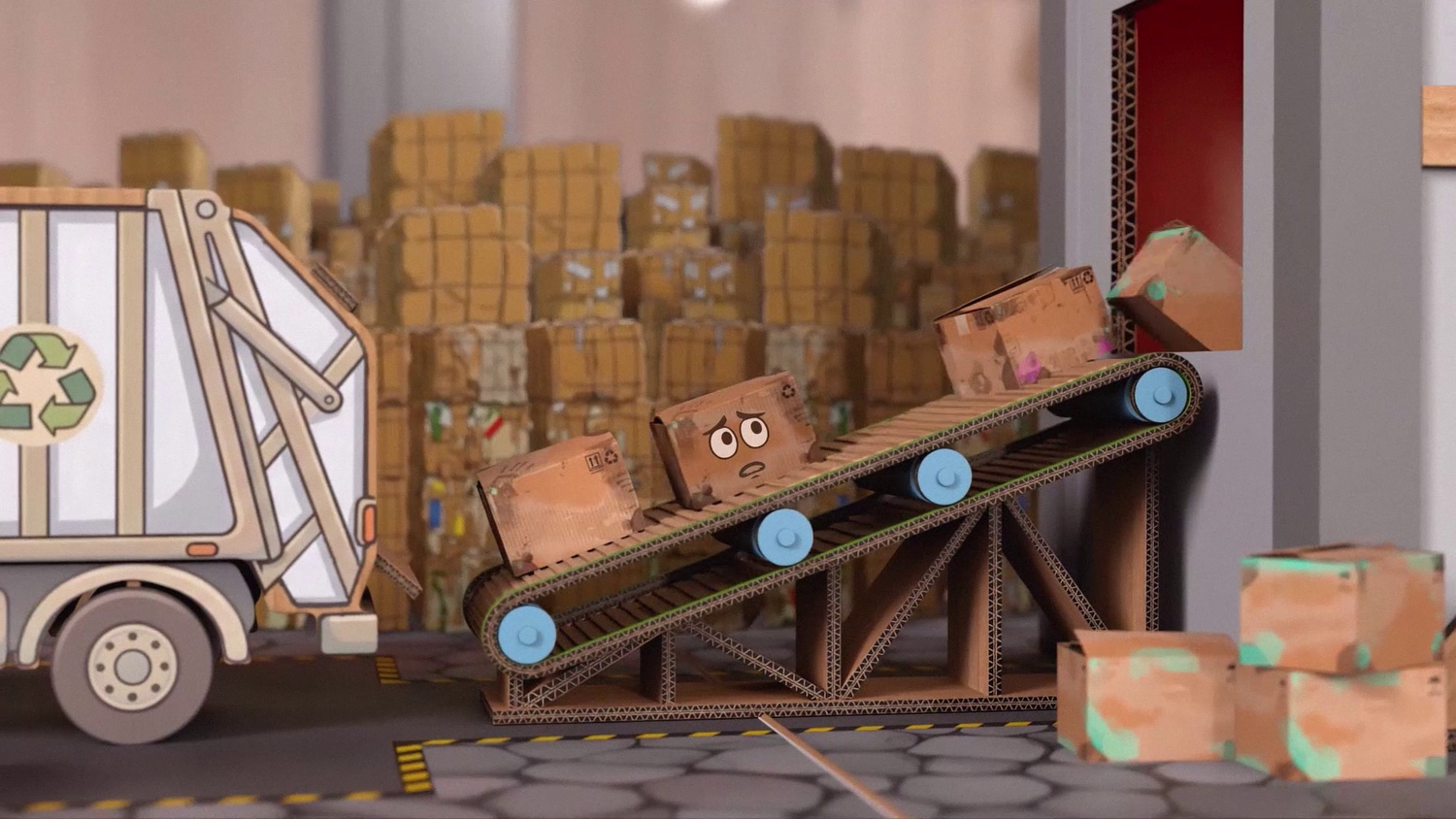
Rather than focusing on cardboard boxes or manufacturing processes, the campaign needed to communicate the scale, impact, and importance of packaging within modern supply chains.
The goal was not simply to showcase products, but to demonstrate how packaging connects industries, brands, businesses, and consumers.
THE IDEA
Instead of talking about packaging, the campaign focused on everything packaging makes possible.
Products move.
Brands grow.
Businesses operate.
Consumers receive goods safely and efficiently.
Behind every one of those interactions is a packaging system that most people never notice.
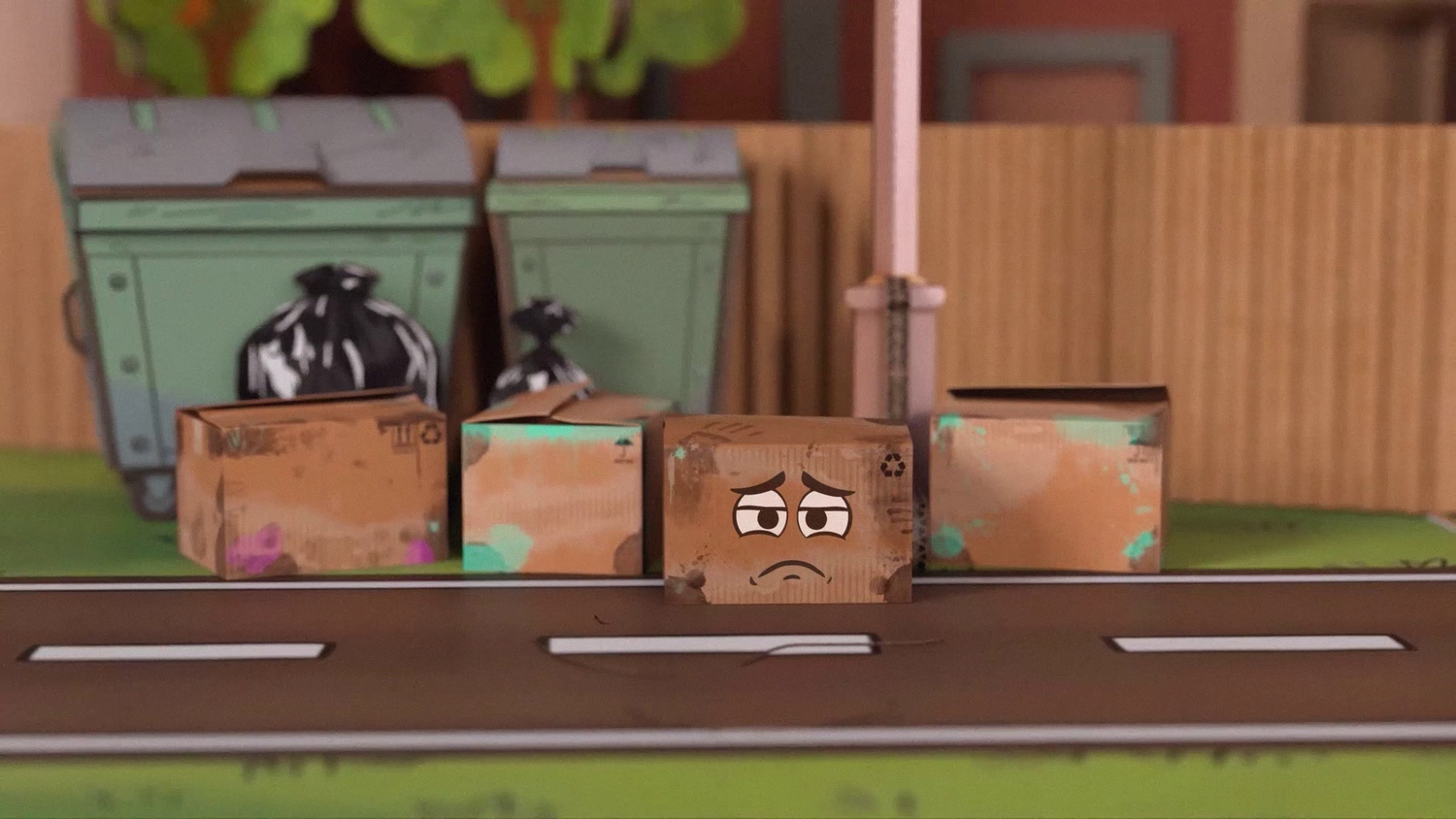
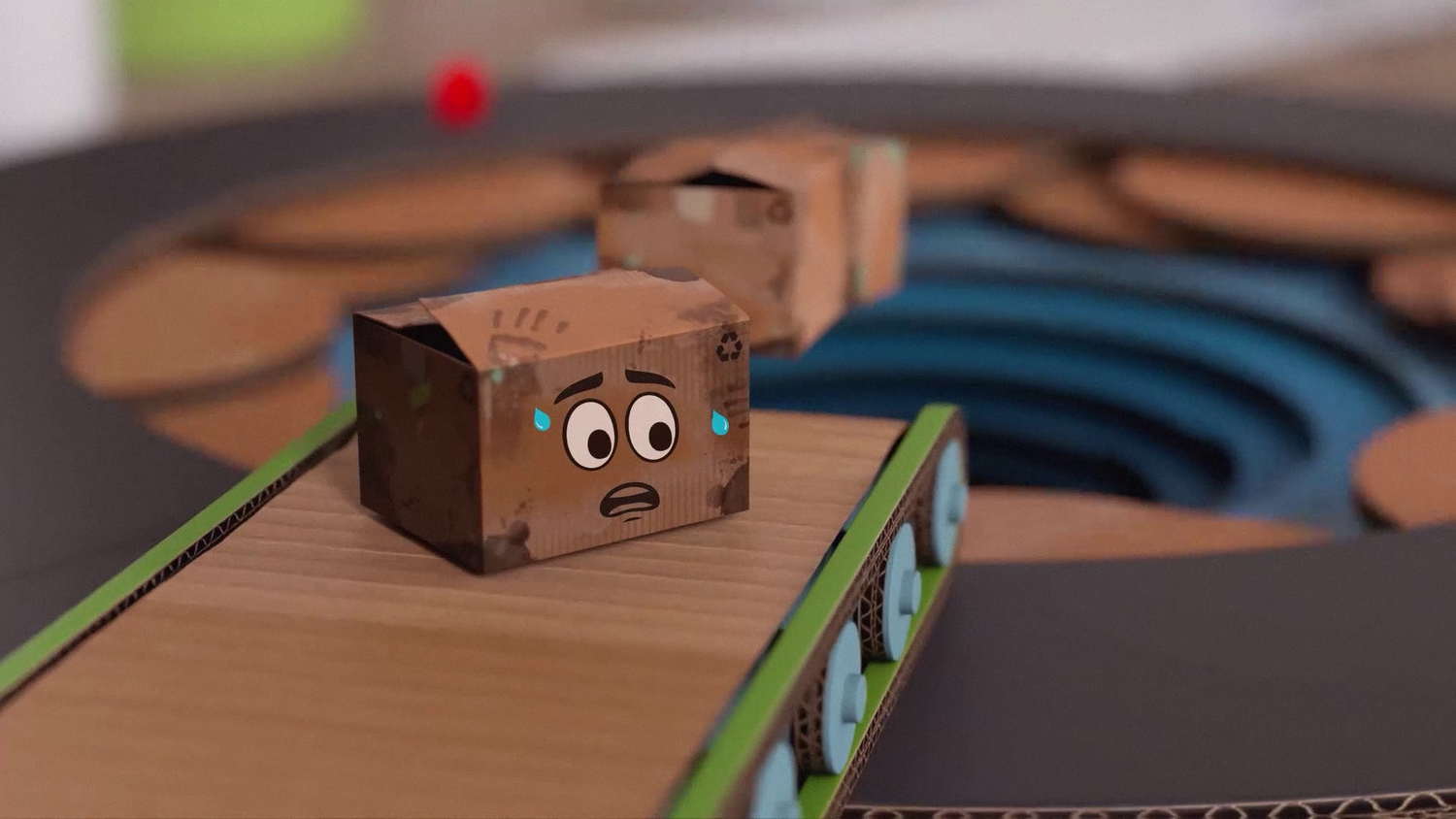
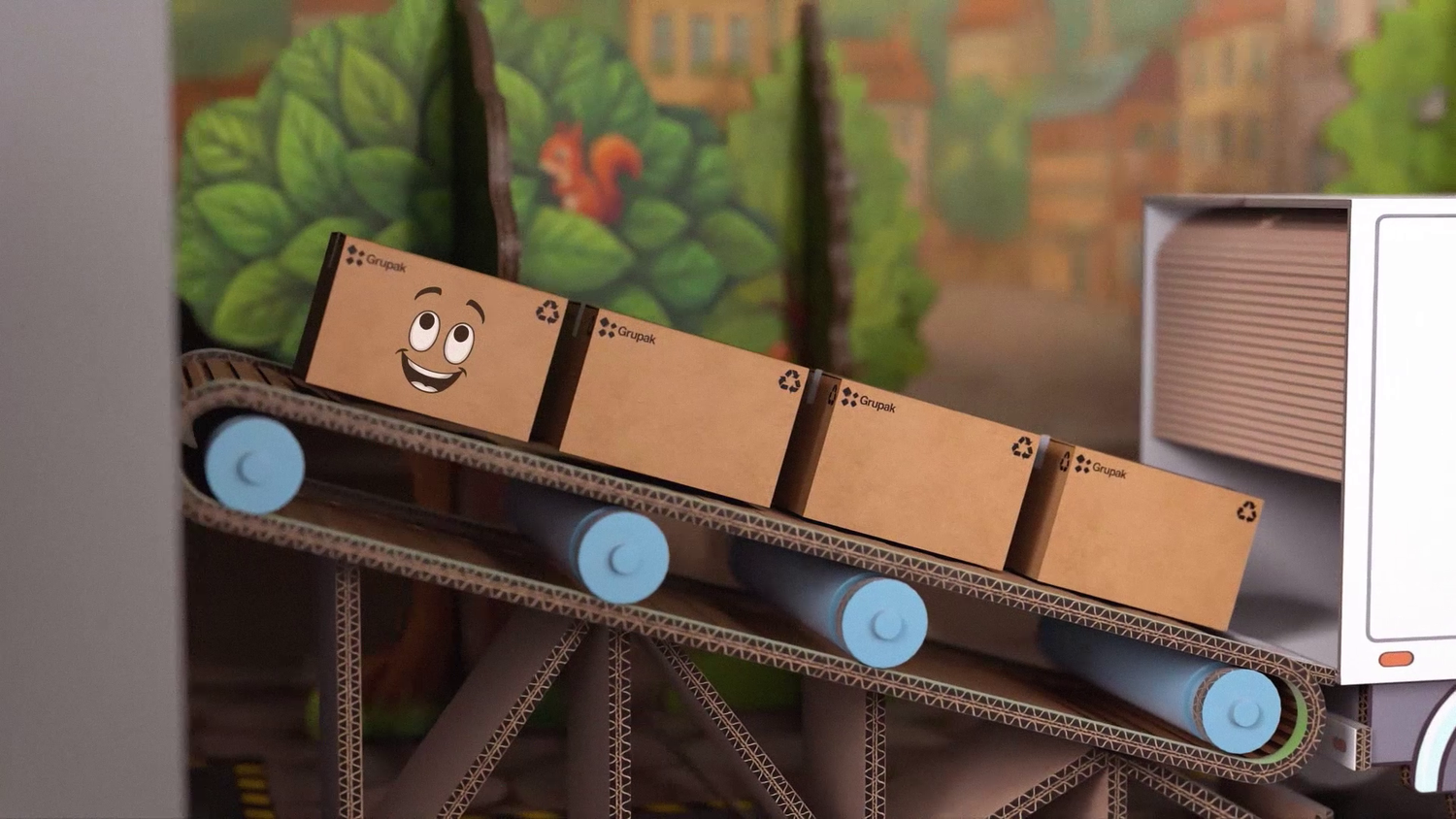
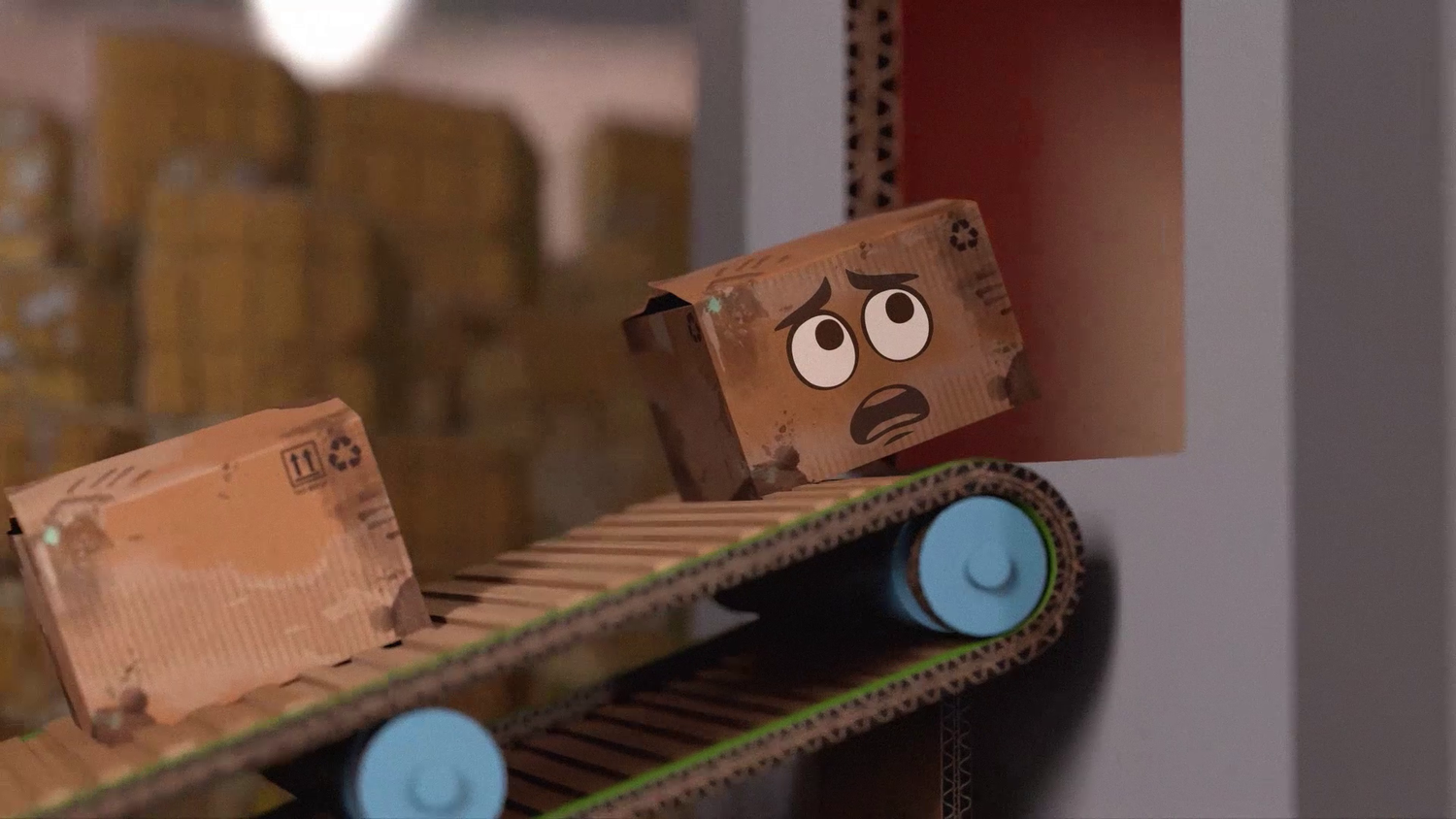
The campaign transformed these invisible processes into a cinematic visual experience, combining large-scale CGI animation with AI-generated sequences to create a narrative that celebrated the role of packaging in everyday life.
Rather than selling boxes, the campaign told a story about connection, movement, and the infrastructure that quietly supports entire industries.
EXECUTION
The project became one of the largest productions developed by Madness Studio.
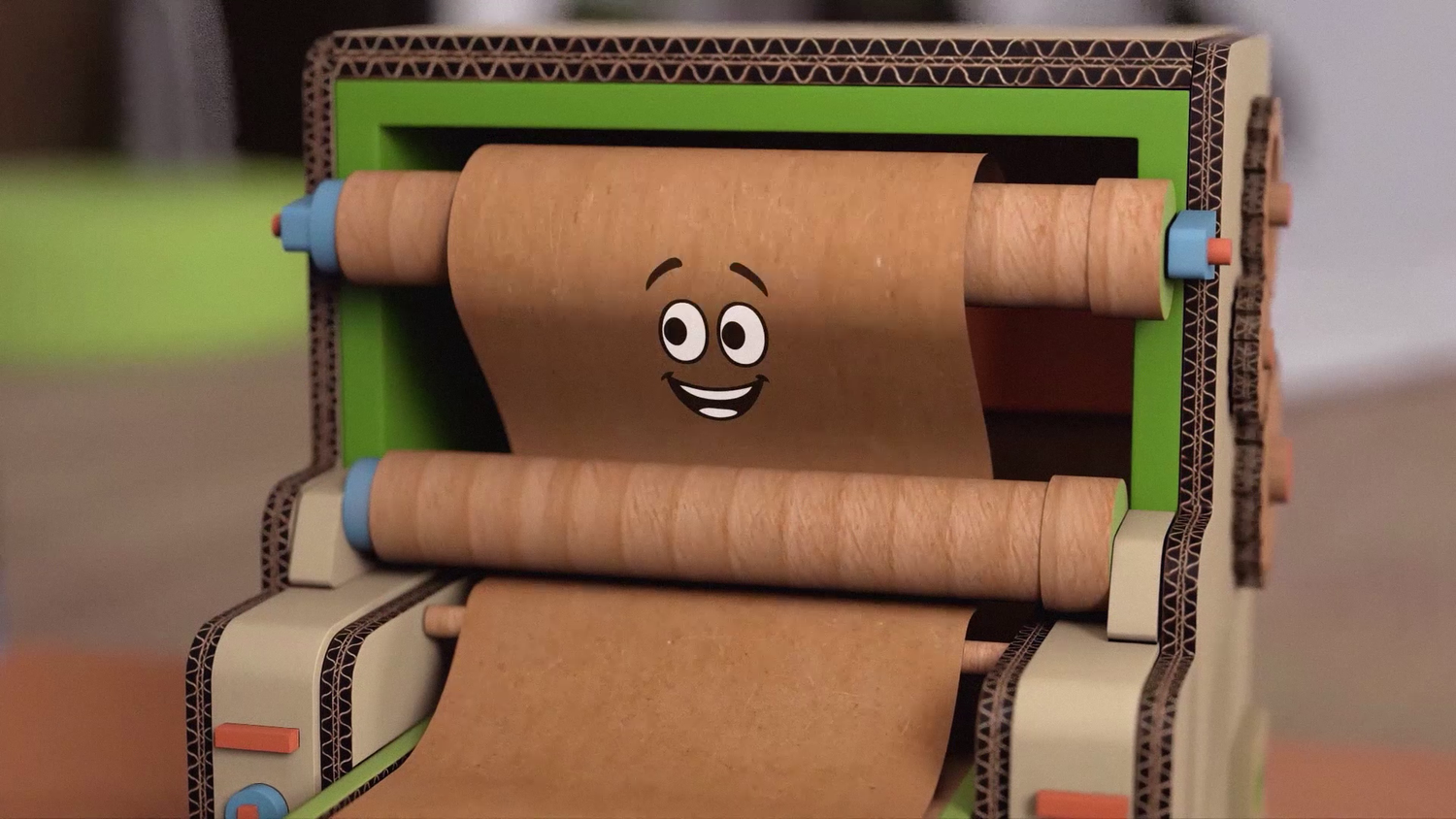
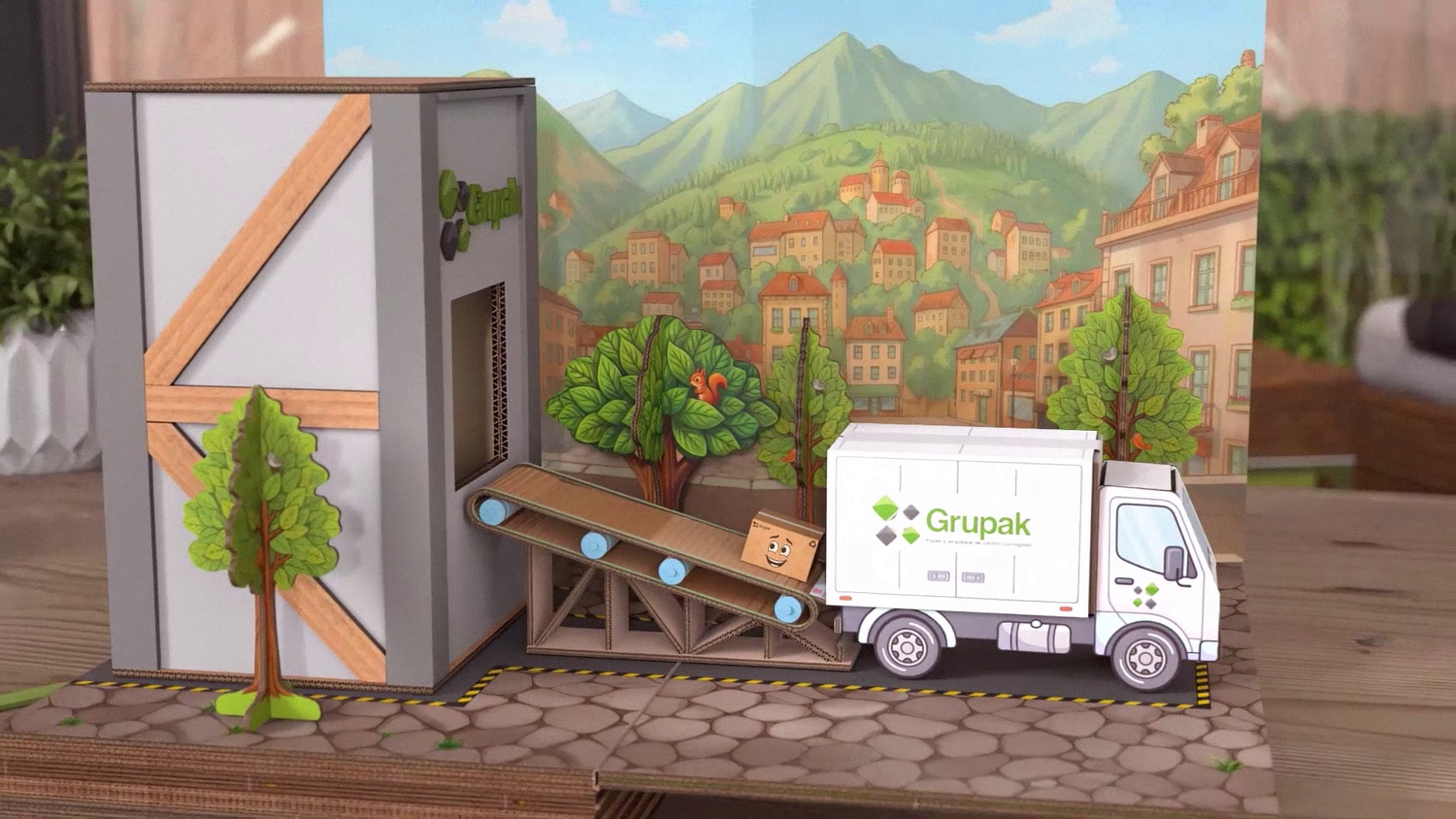
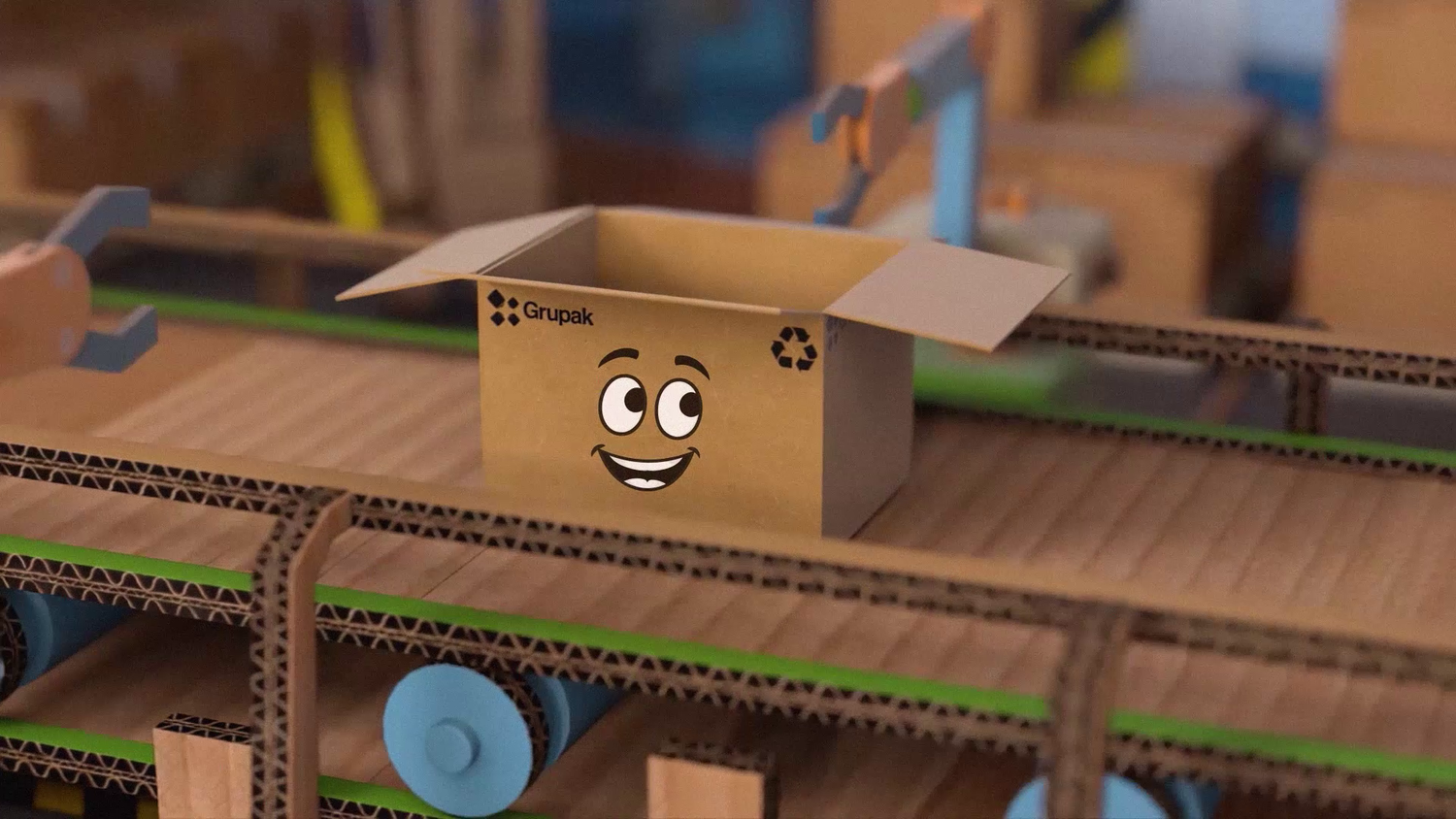
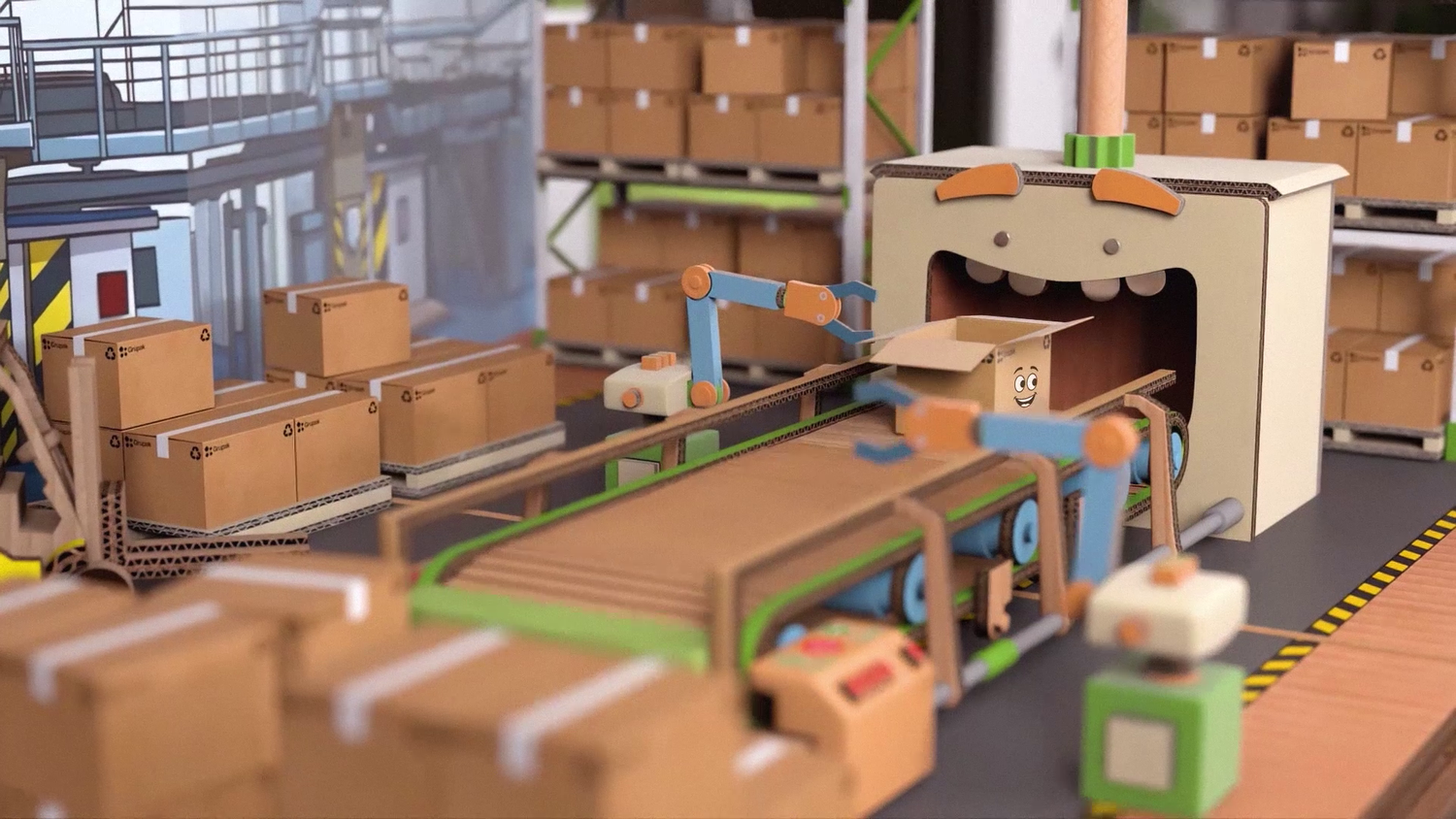
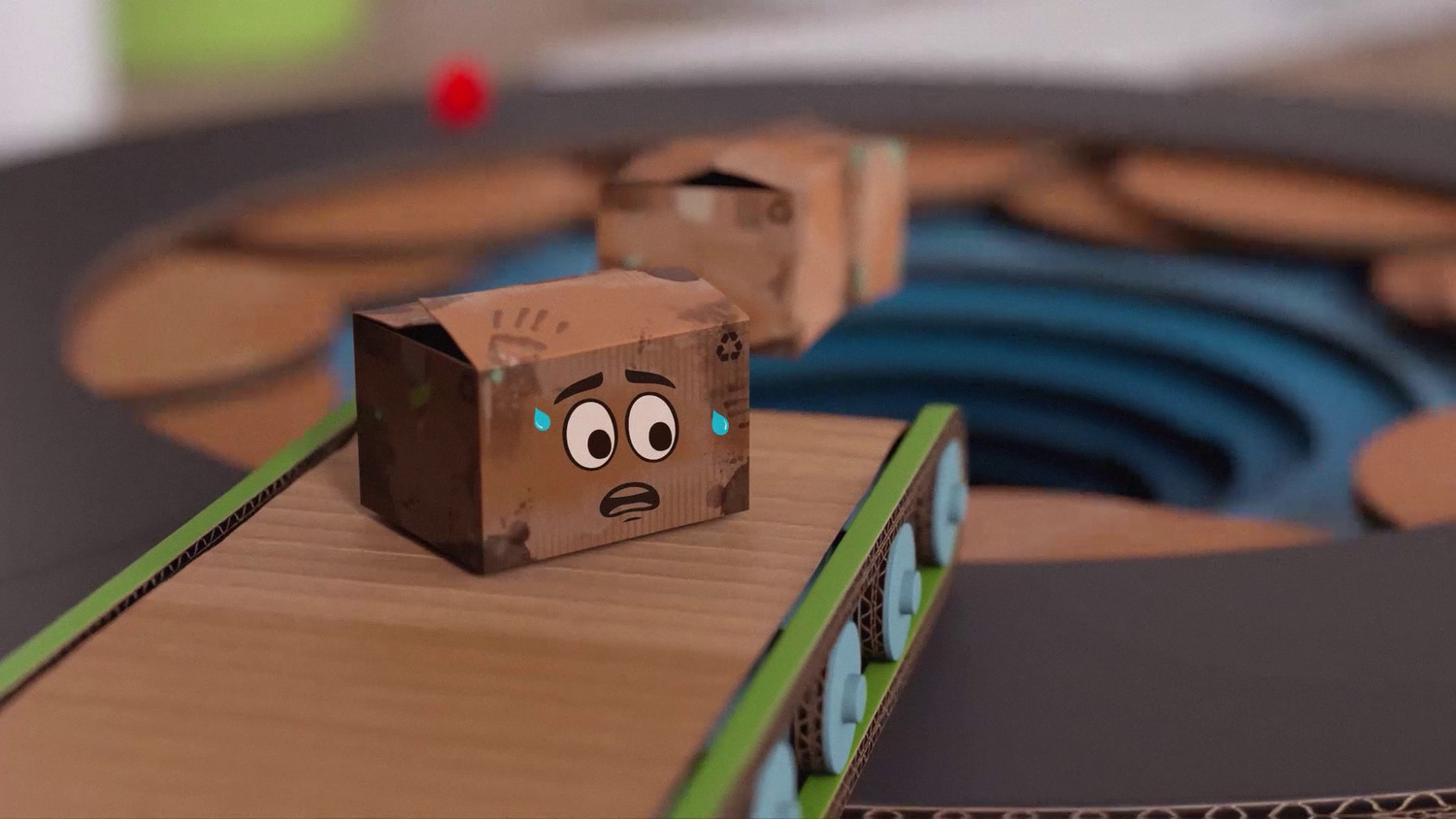
Over six months, the team created more than 100 original 3D assets, including vehicles, environments, machinery, packaging systems, products, and custom visual elements designed specifically for the campaign.
The production combined traditional CGI workflows with AI-assisted live-action sequences, allowing the project to blend cinematic storytelling with large-scale product visualization.
Every asset was modeled, textured, lit, animated, and rendered specifically for the campaign, creating a fully customized visual language tailored to Grupak's brand and business objectives.
The result was a production capable of communicating industrial processes through emotionally engaging storytelling while maintaining technical accuracy and visual sophistication.
RESULTS
The campaign marked Grupak's return to large-scale brand storytelling after nearly twenty years without a major commercial production.
The project helped transform a complex industrial business into a compelling visual narrative, demonstrating how CGI, AI, and creative storytelling can communicate value far beyond product specifications and technical explanations.
For Madness Studio, the project became a benchmark for combining large-scale CGI production, AI-assisted workflows, and strategic communication within a single campaign.
More importantly, it proved that even the most technical industries can tell powerful stories when the right idea leads the process.
Packaging is rarely the hero of the story.
This campaign made it impossible to ignore.
NIKE × ATLÉTICO NACIONAL
Designing A Jersey Beyond Football
Some jerseys are made for a season.
Others become part of a culture.
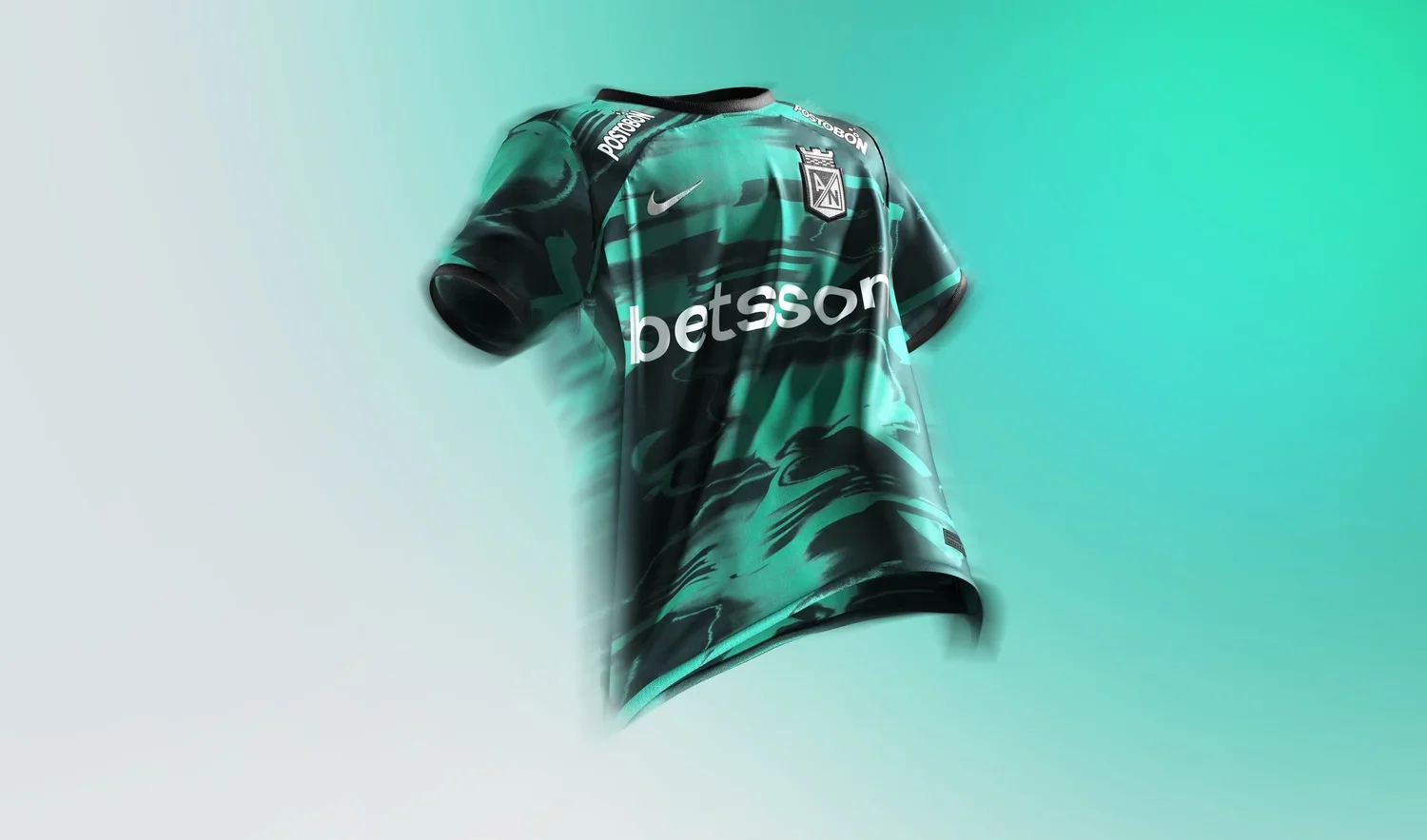
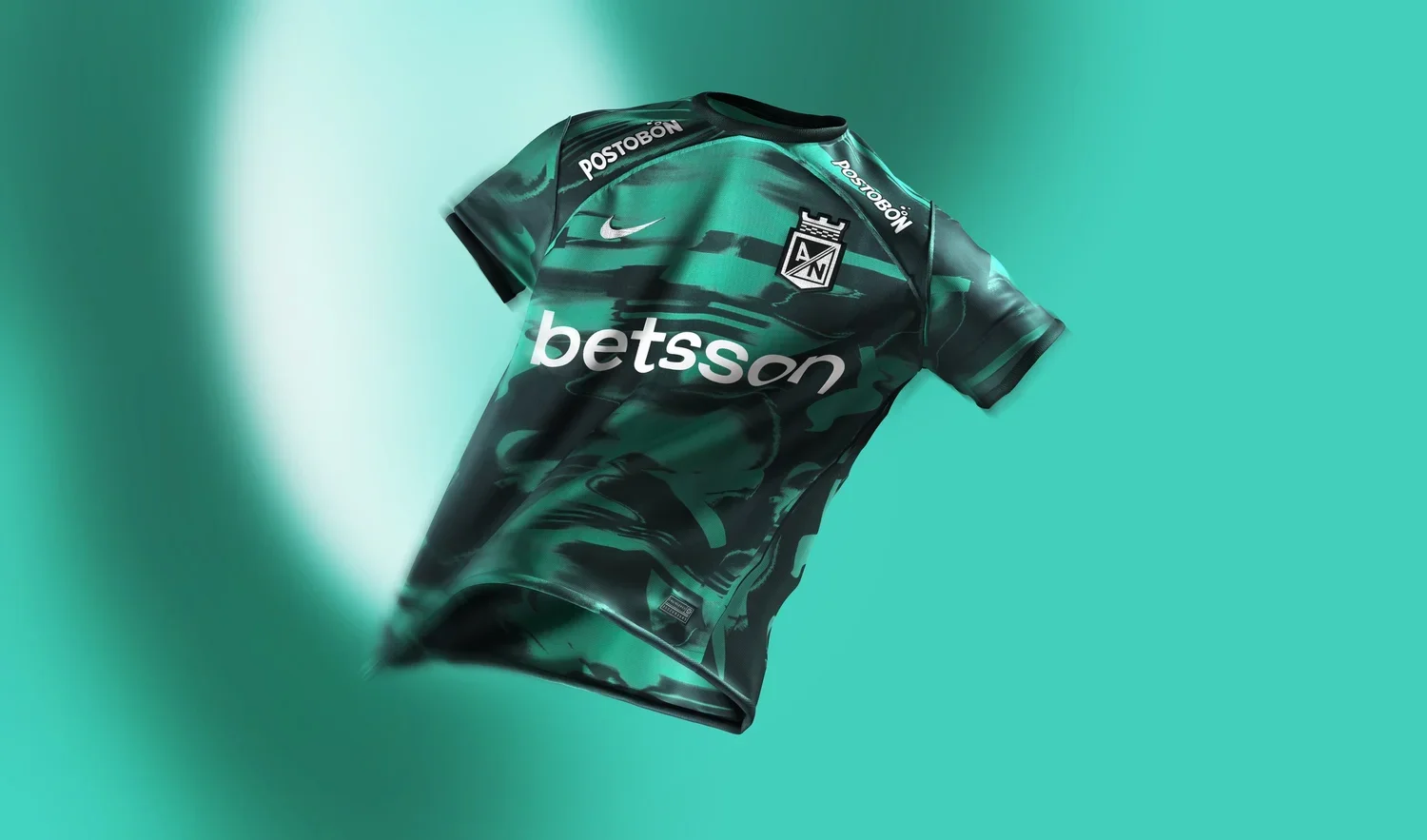
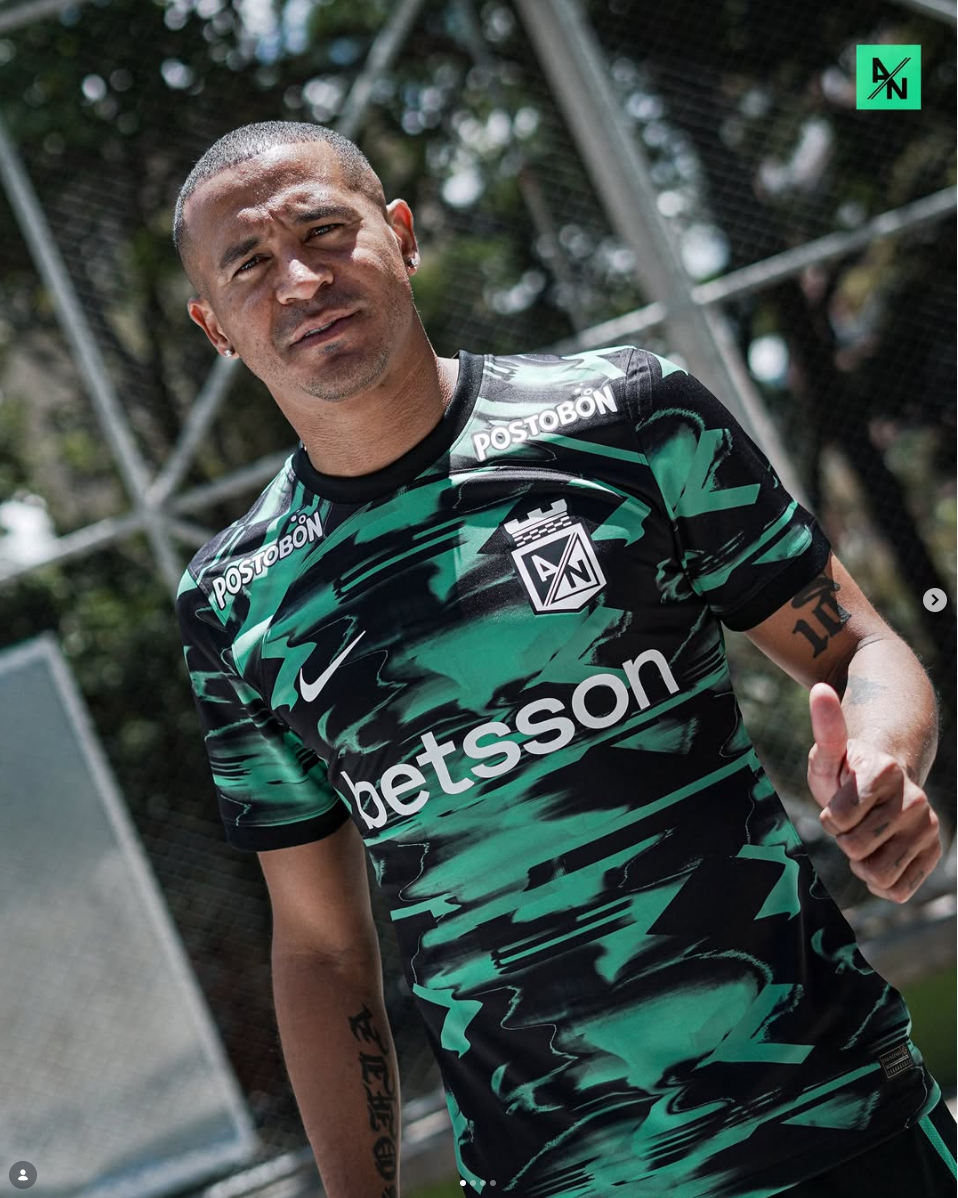
Nike and Atlético Nacional set out to create a third kit capable of representing the club beyond match day — a design that could live equally on the pitch, in the streets, on stage, and in the stands.
Madness was invited to develop the visual concept behind the jersey, creating a graphic language inspired by movement, energy, and the passion that surrounds one of Latin America's most iconic football clubs.
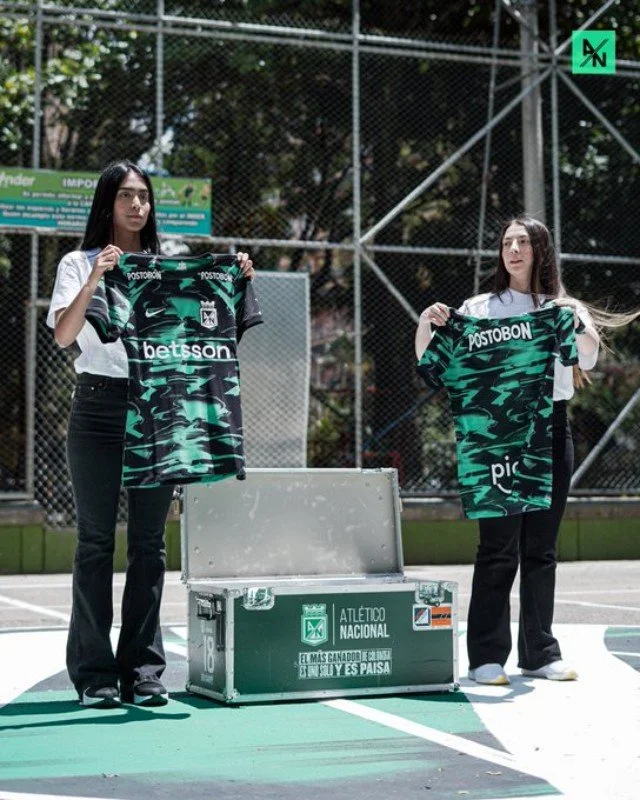
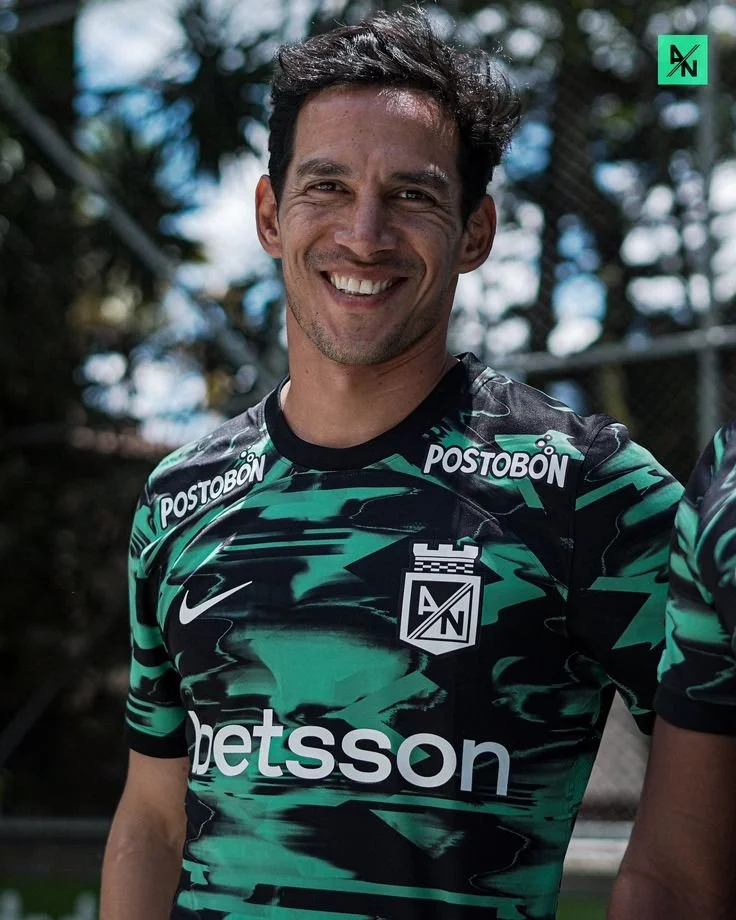
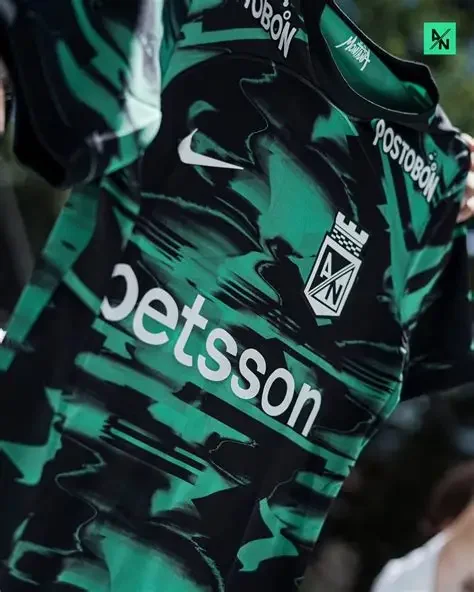
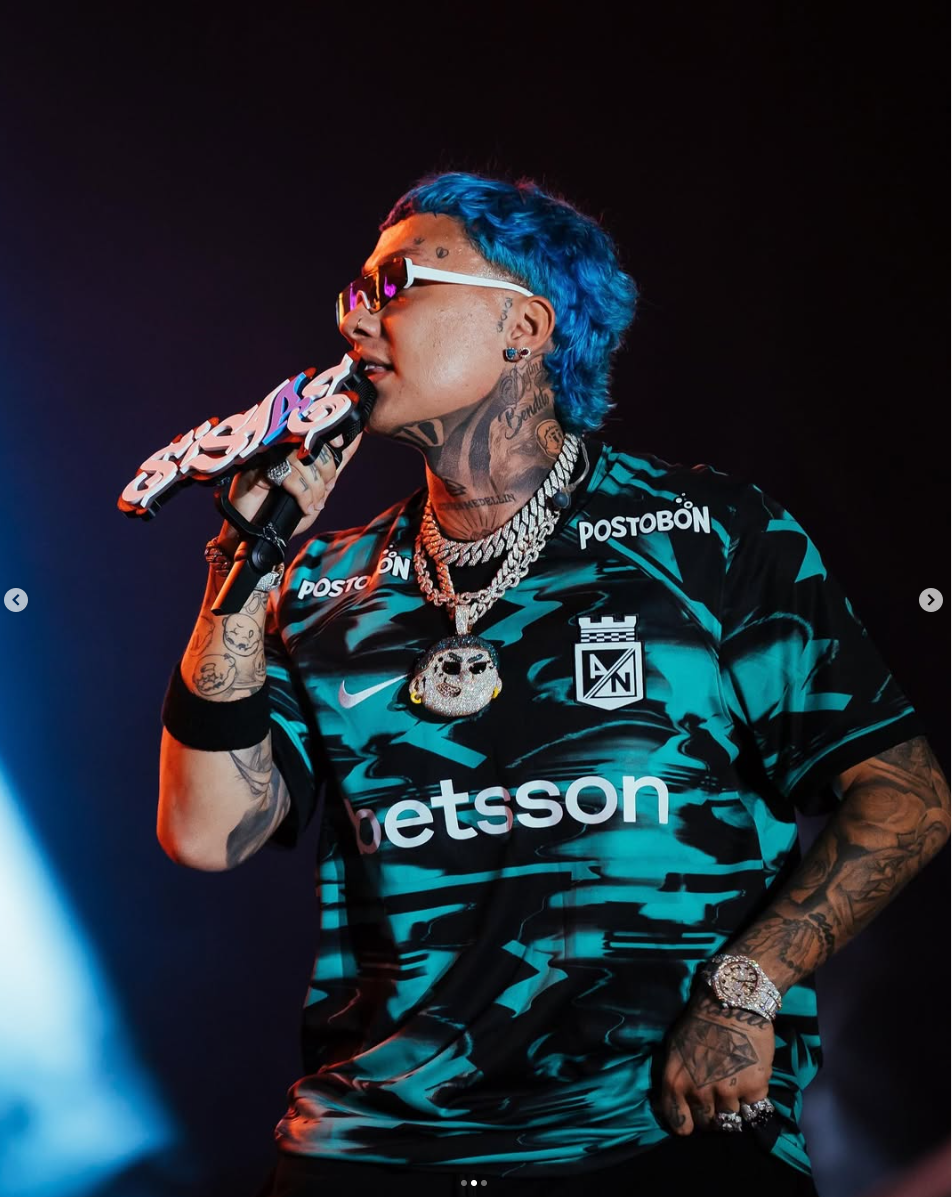
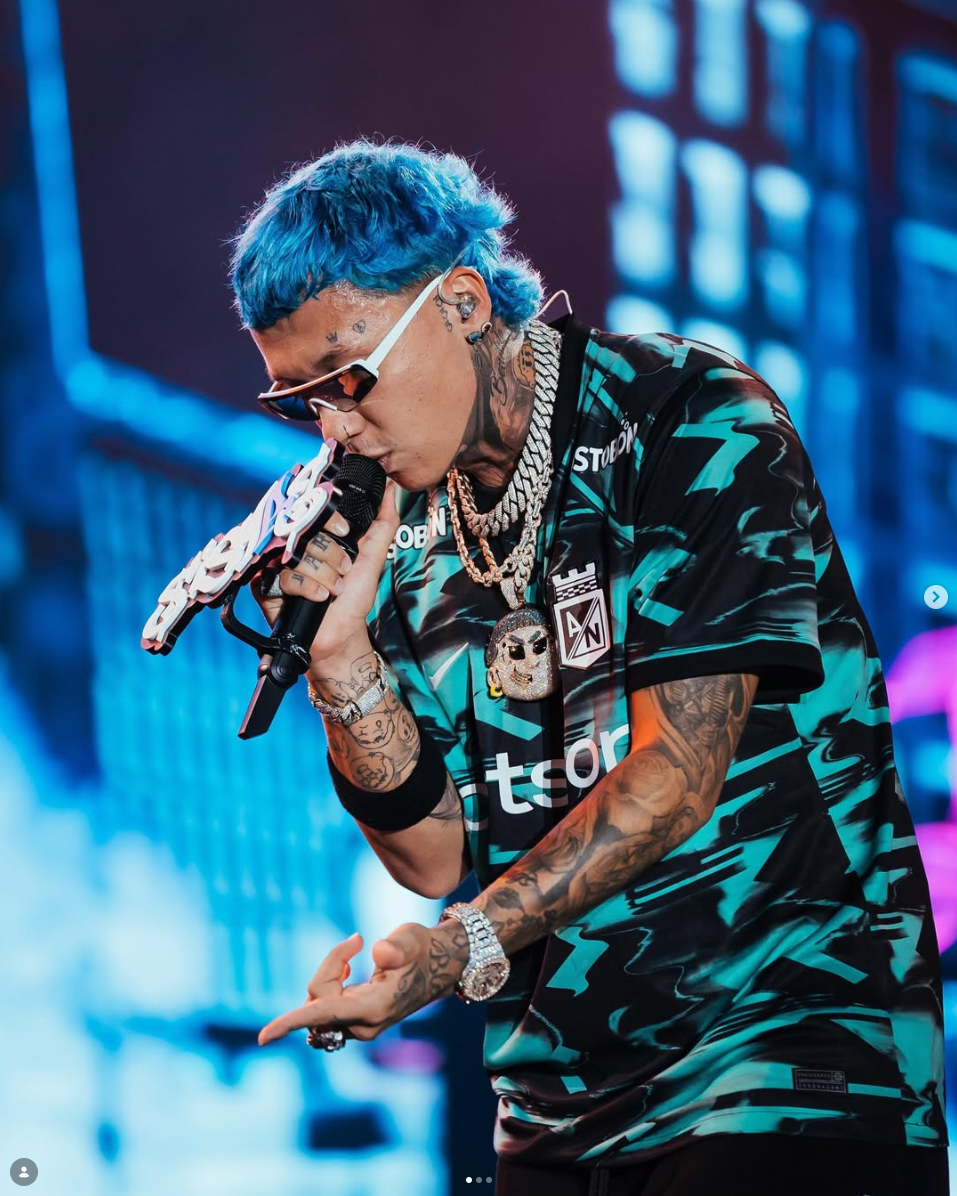
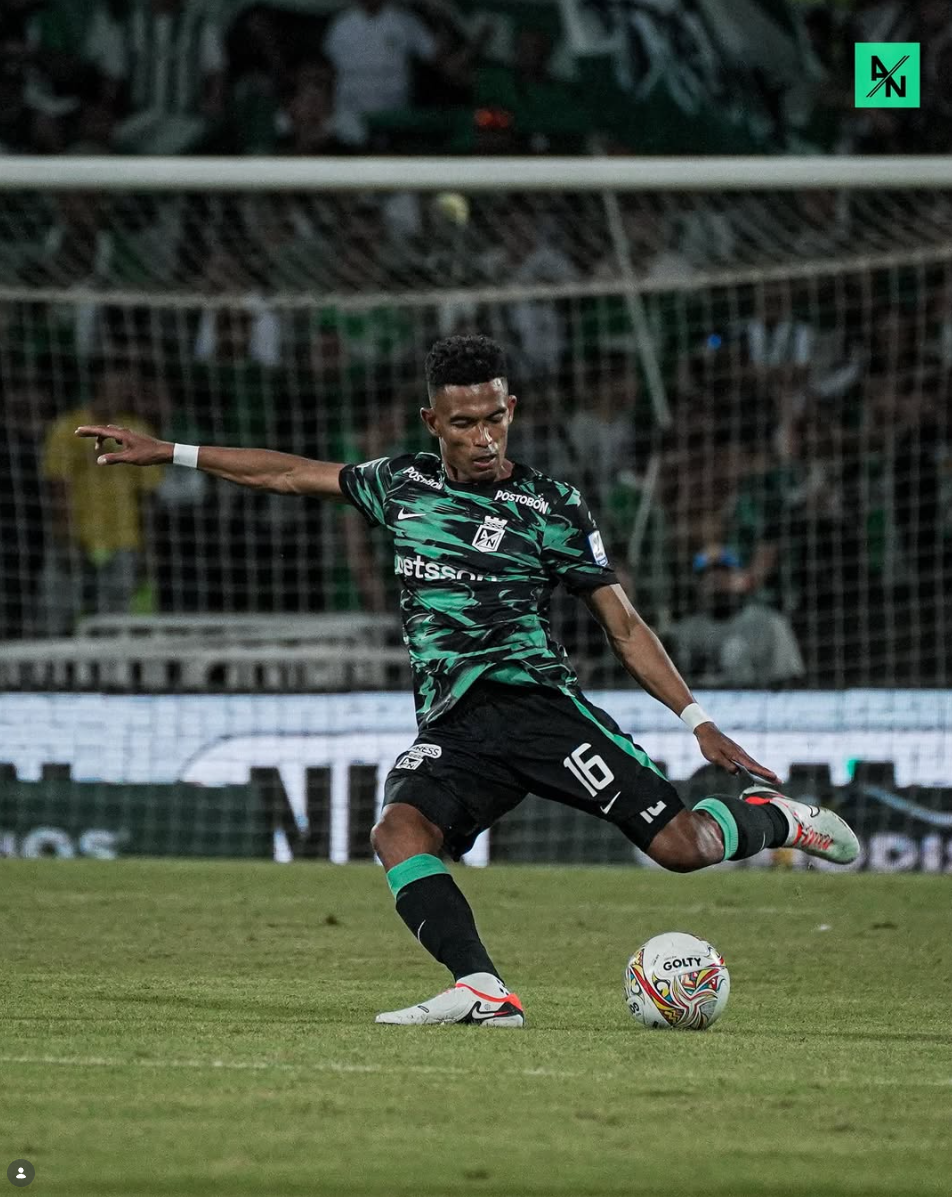
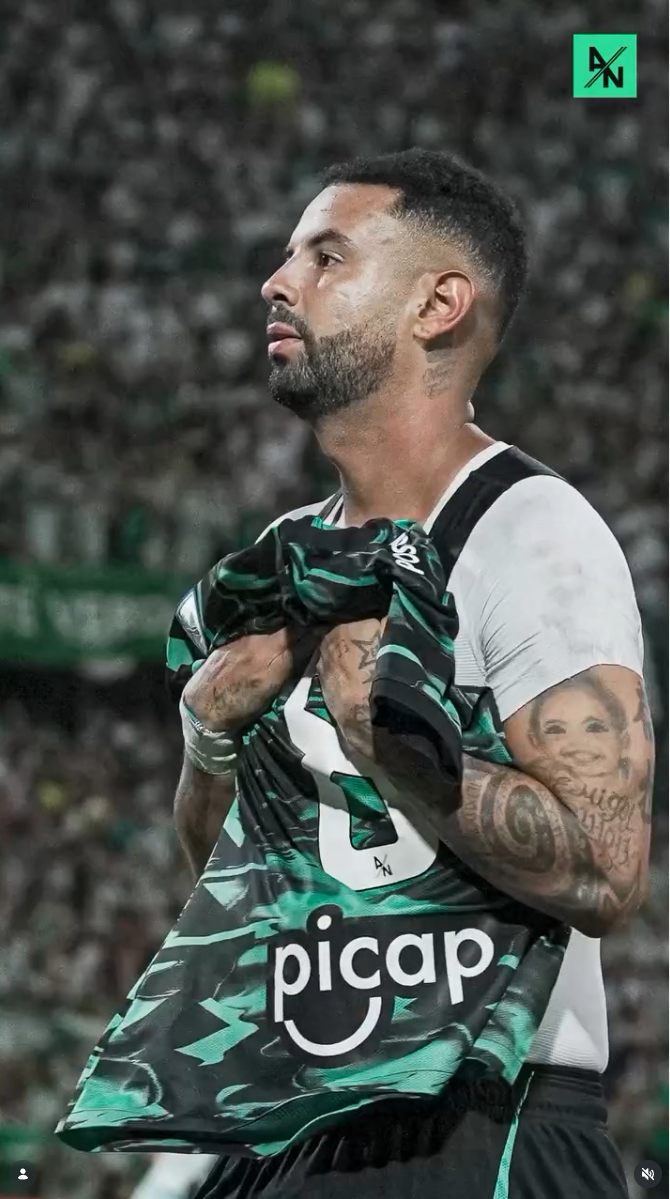
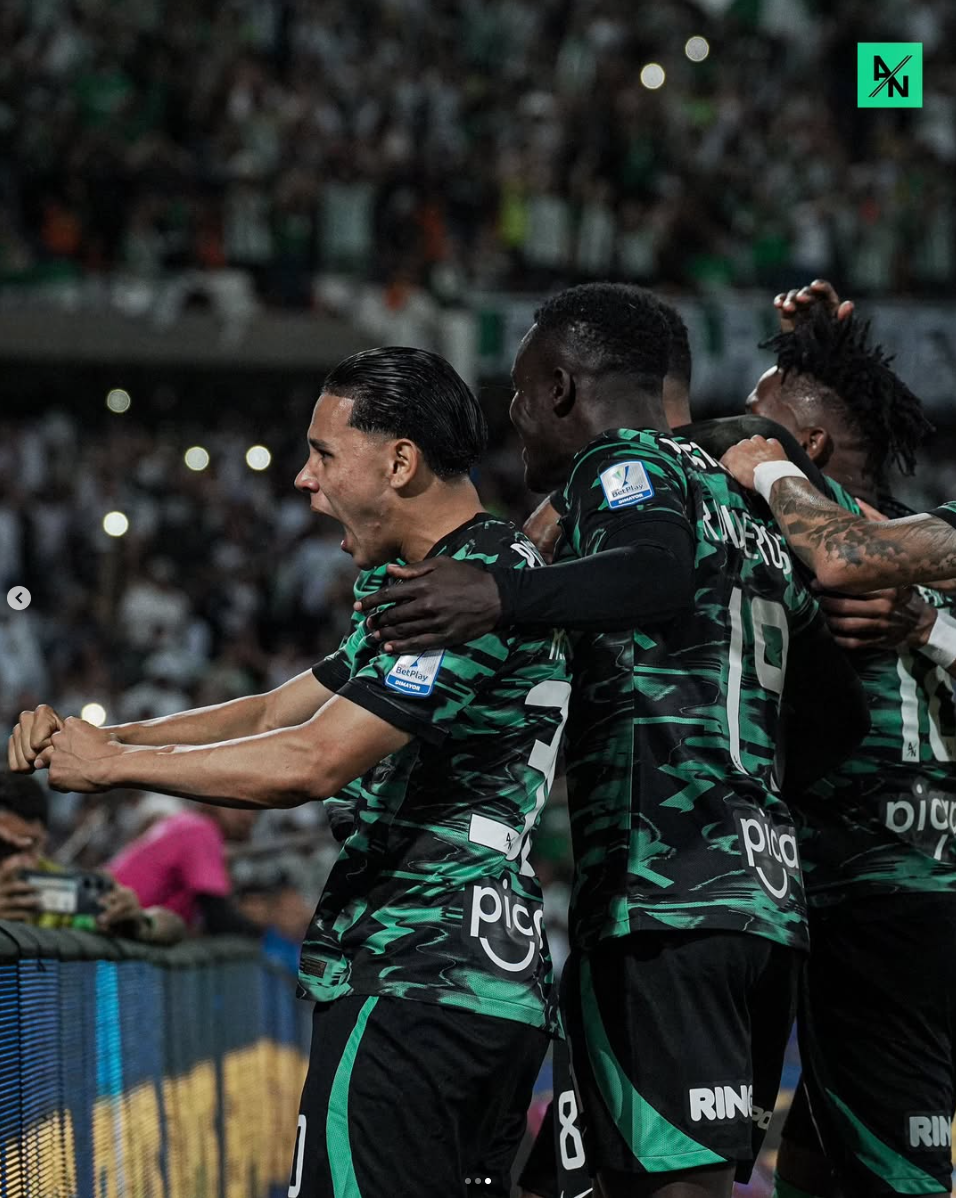
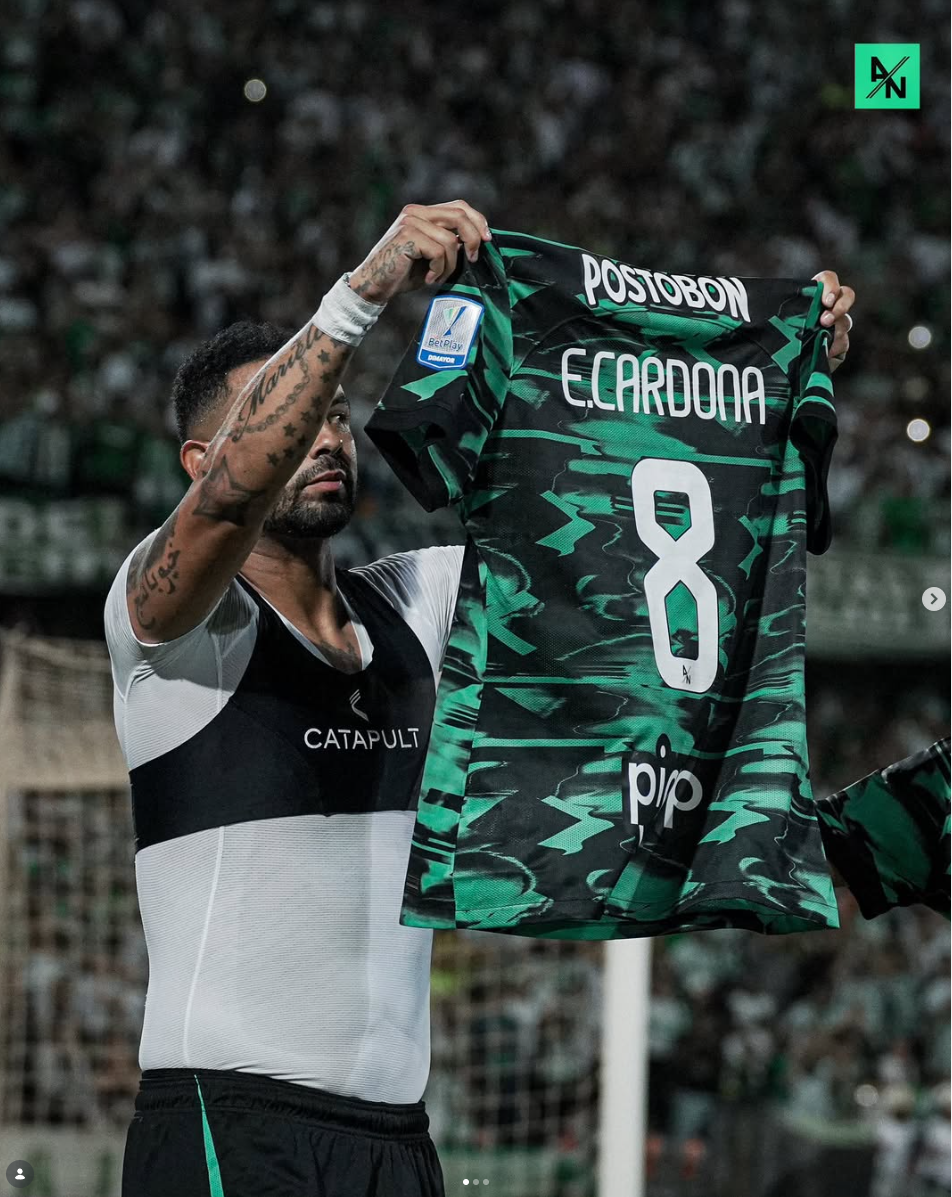
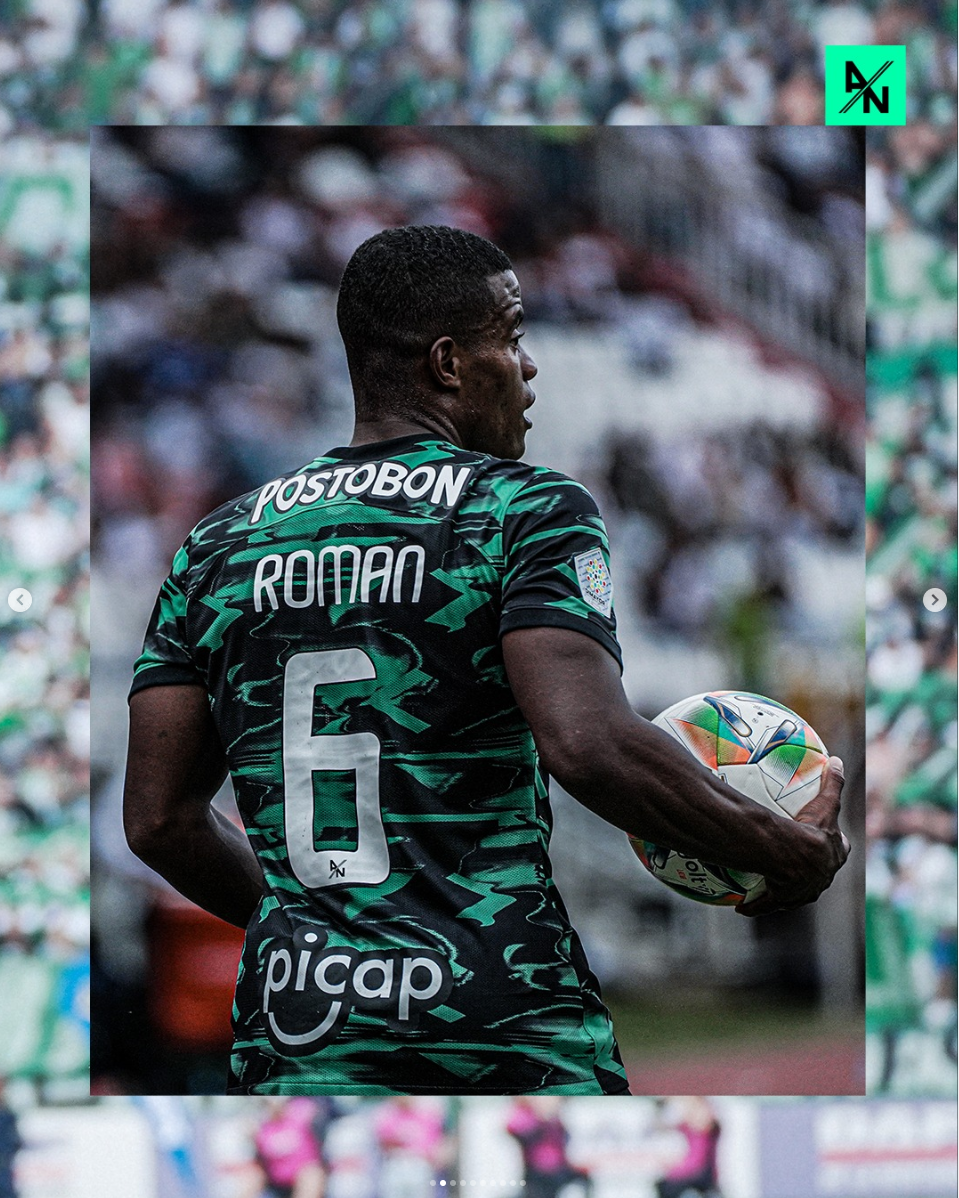
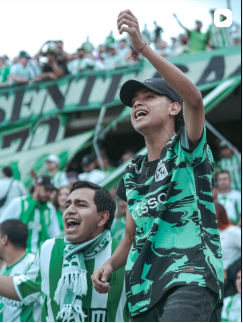
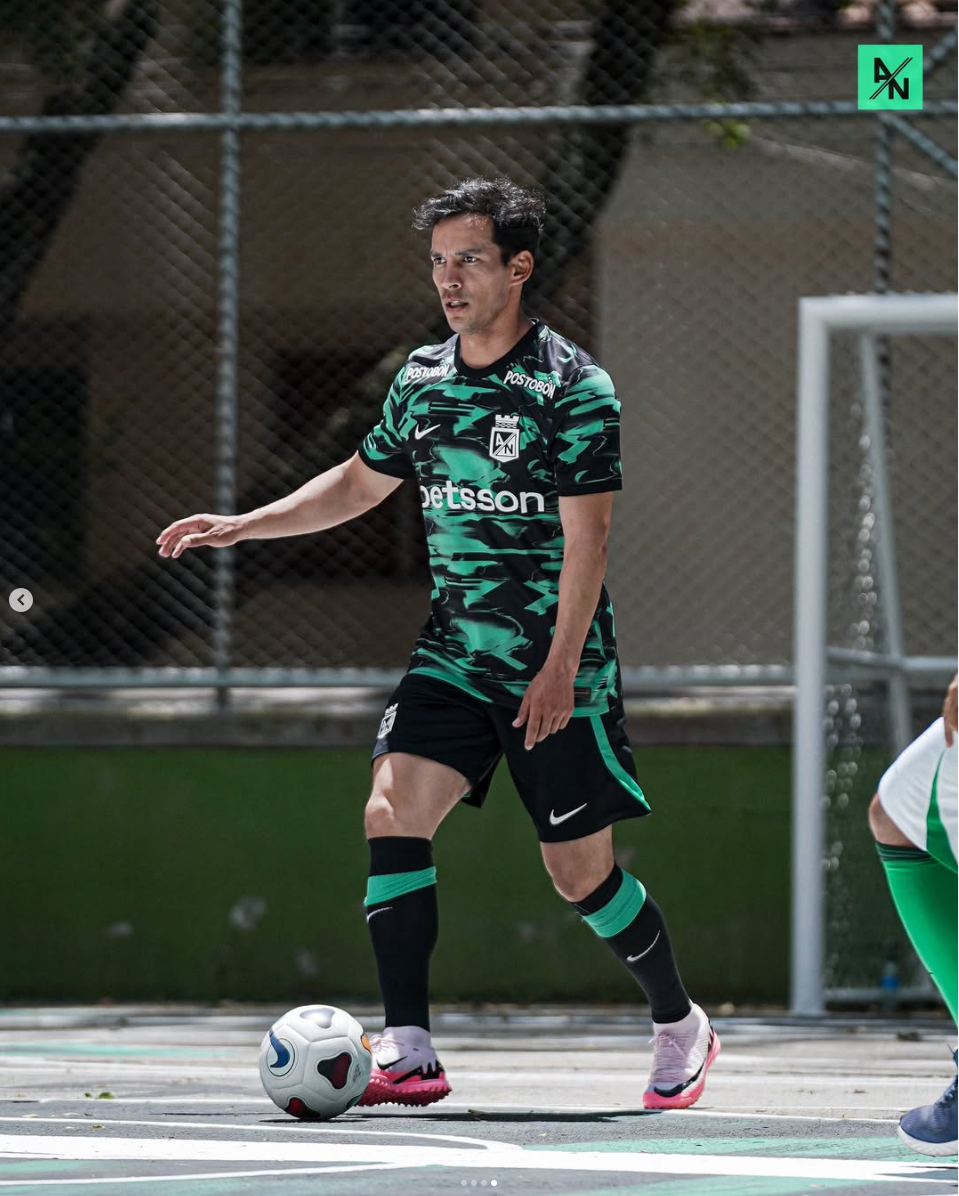
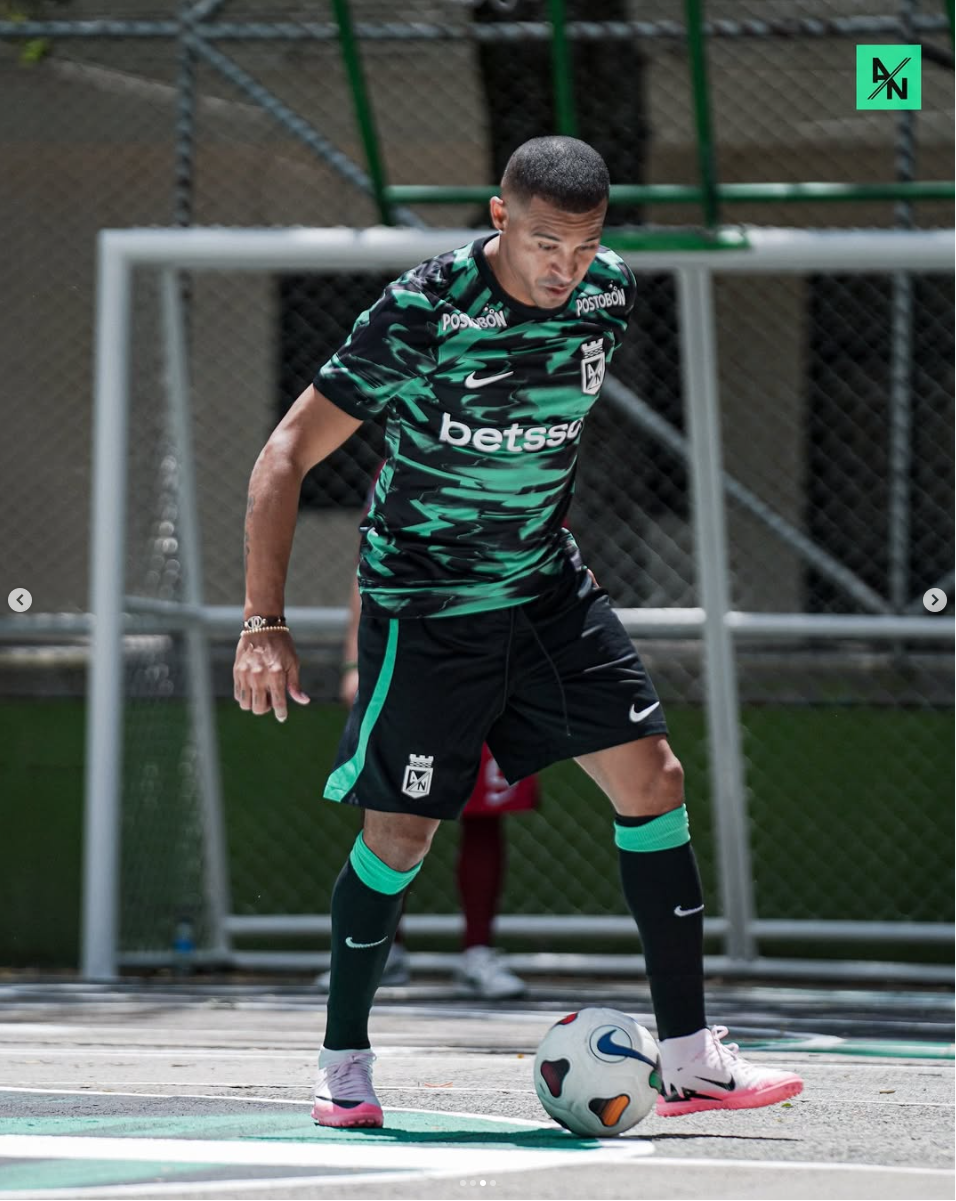
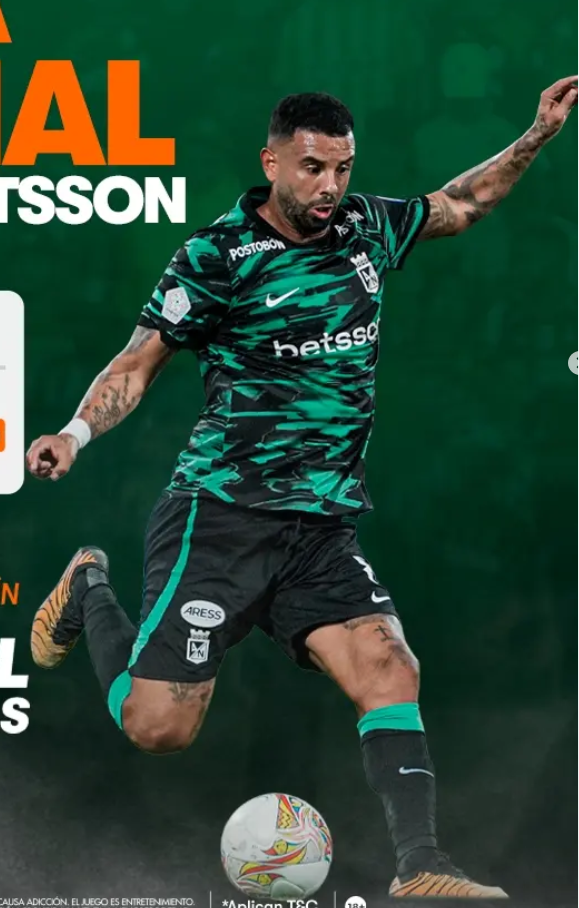
The result was a bold camouflage-inspired pattern that blended sport, fashion, music, and urban culture into a single visual identity.
What began as a football kit quickly became something larger.
Players wore it during decisive matches.
Artists adopted it on stage.
Fans embraced it across social media.
The jersey became part of Atlético Nacional's contemporary culture rather than simply another uniform.

THE CHALLENGE
Football jerseys are more than sports apparel.
They represent history, identity, loyalty, and belonging.
For Atlético Nacional, one of the most decorated clubs in Latin America, the challenge was to create a design capable of honoring the club's heritage while maintaining the contemporary visual language expected from a global brand like Nike.
At the same time, the launch campaign needed to communicate the emotional connection between the team, its supporters, and the city it represents.
THE IDEA
Rather than treating the jersey as a product, the campaign approached it as a symbol.
Every detail was designed to reinforce the club's identity, creating a visual narrative that connected tradition, pride, and performance.
Inspired by the creative standards used by Nike Football across Europe, the project combined product design with cinematic CGI visuals, transforming the launch into a celebration of the club's culture and its relationship with supporters.
The goal was not simply to reveal a new jersey, but to create an image worthy of the institution it represented.

EXECUTION
Madness Studio participated in both the design development of the official jersey and the creation of the campaign's CGI visual assets.
The project involved product design, material visualization, digital look development, lighting, rendering, and post-production, ensuring every image met Nike's international quality standards.
Particular attention was given to fabric behavior, surface details, color accuracy, and visual composition, creating a series of launch visuals capable of standing alongside campaigns developed for some of the world's most recognized football clubs.
The final imagery combined sports branding, product visualization, and storytelling into a unified visual campaign.
RESULTS
The jersey quickly moved beyond the launch campaign.
It appeared on the pitch, across social media, in supporter communities, and even on stage through artists and public figures connected to the club's culture.
What started as a product launch evolved into a visual identity embraced by players, fans, and creators alike.
For Madness Studio, the project became an example of how design can extend beyond sport and become part of a larger cultural conversation.
Some jerseys are designed for a season.
The best ones become part of a club's history.
ALPINA | FERIA DE LAS FLORES
Celebrating The Fair Through Different Eyes
Some campaigns celebrate traditions.
This one celebrated perspective.
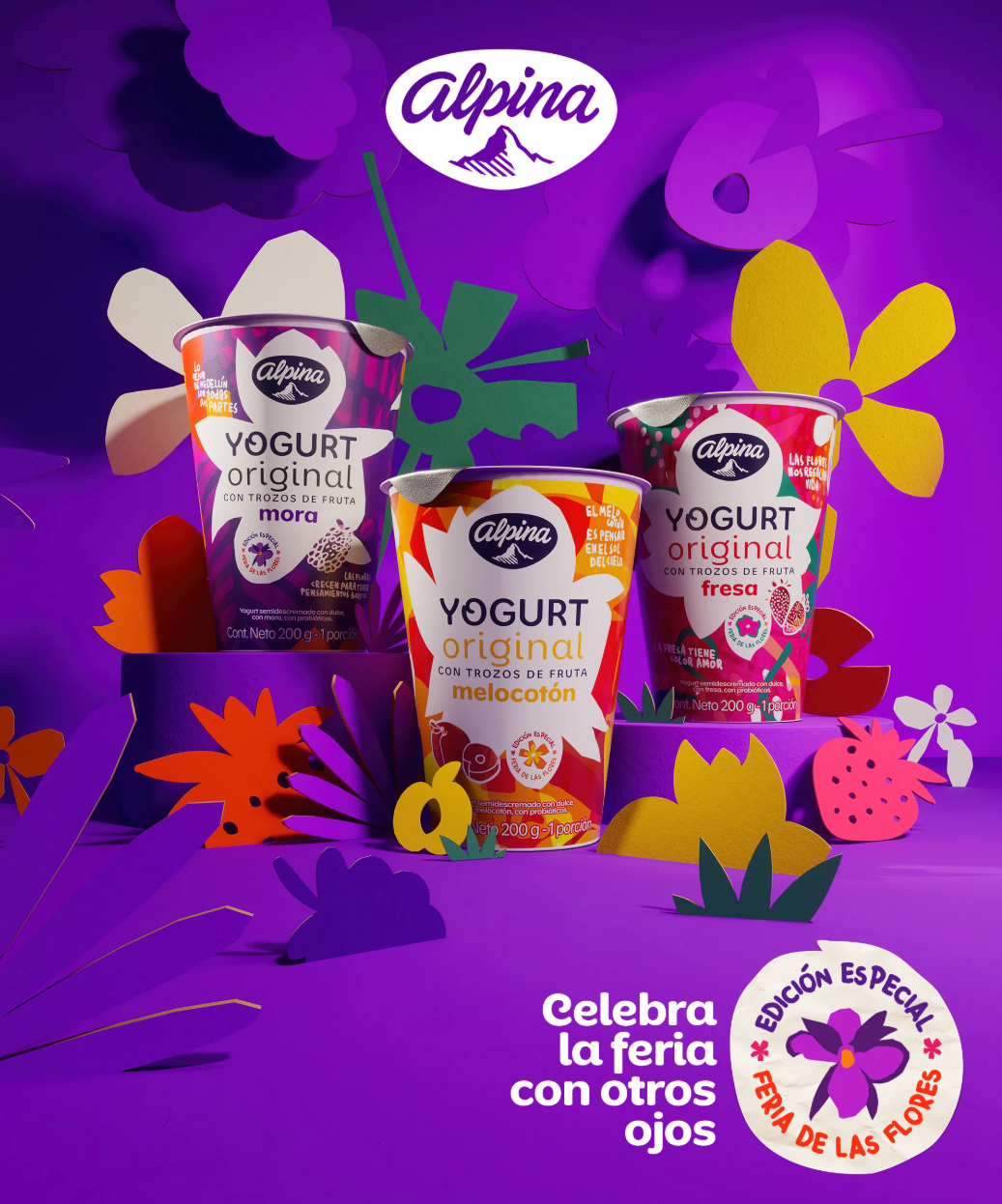
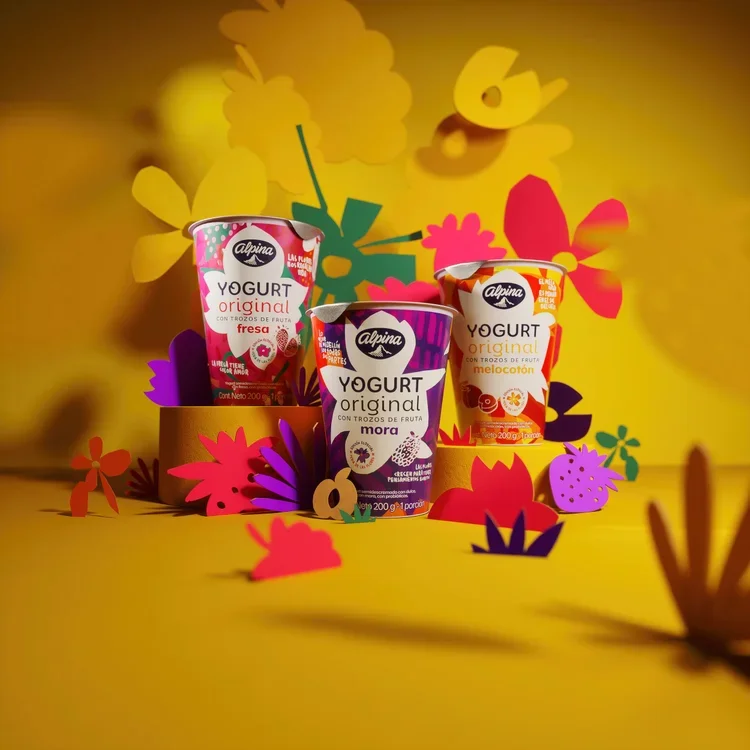
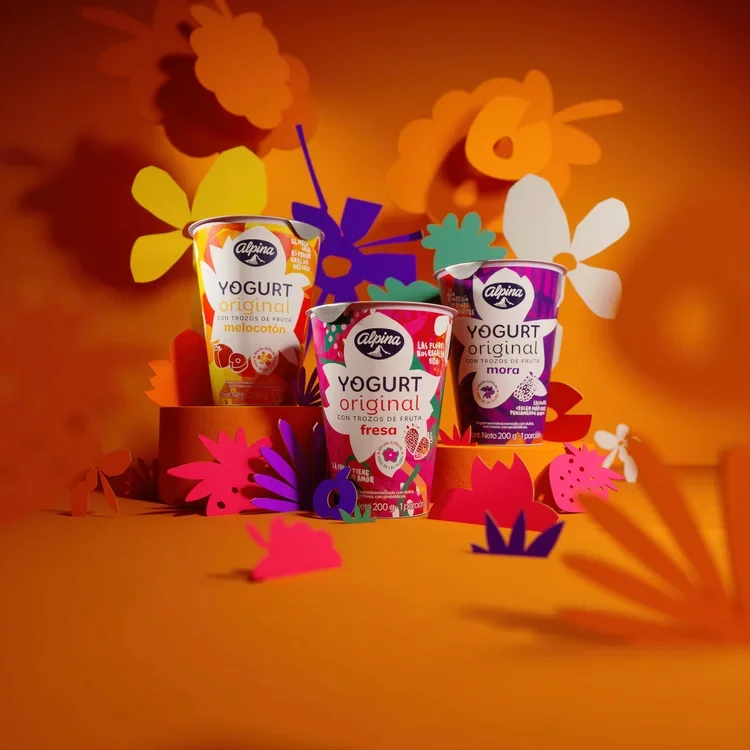
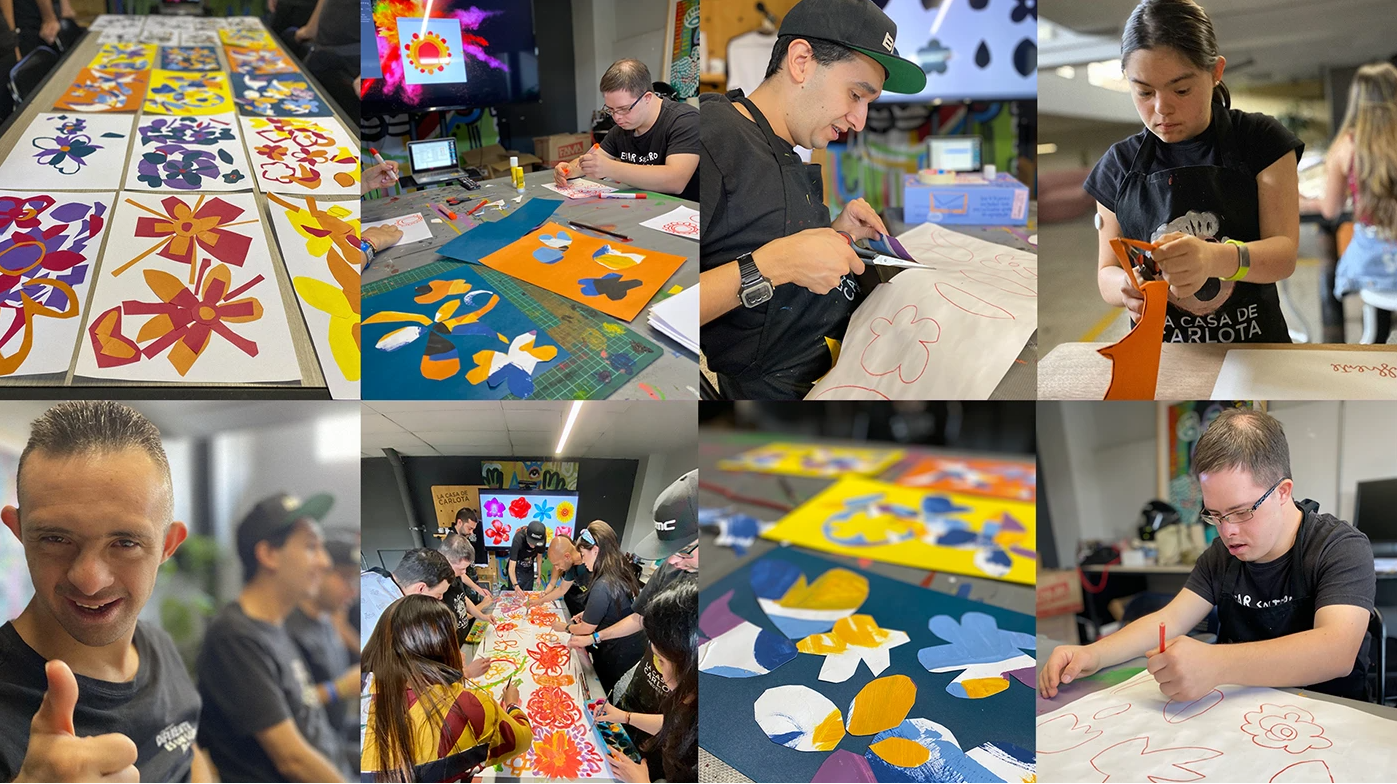
For one of Colombia's most beloved cultural events, Alpina set out to honor the Feria de las Flores through the eyes of children from a neurodiverse foundation.
Their illustrations became the heart of the campaign.
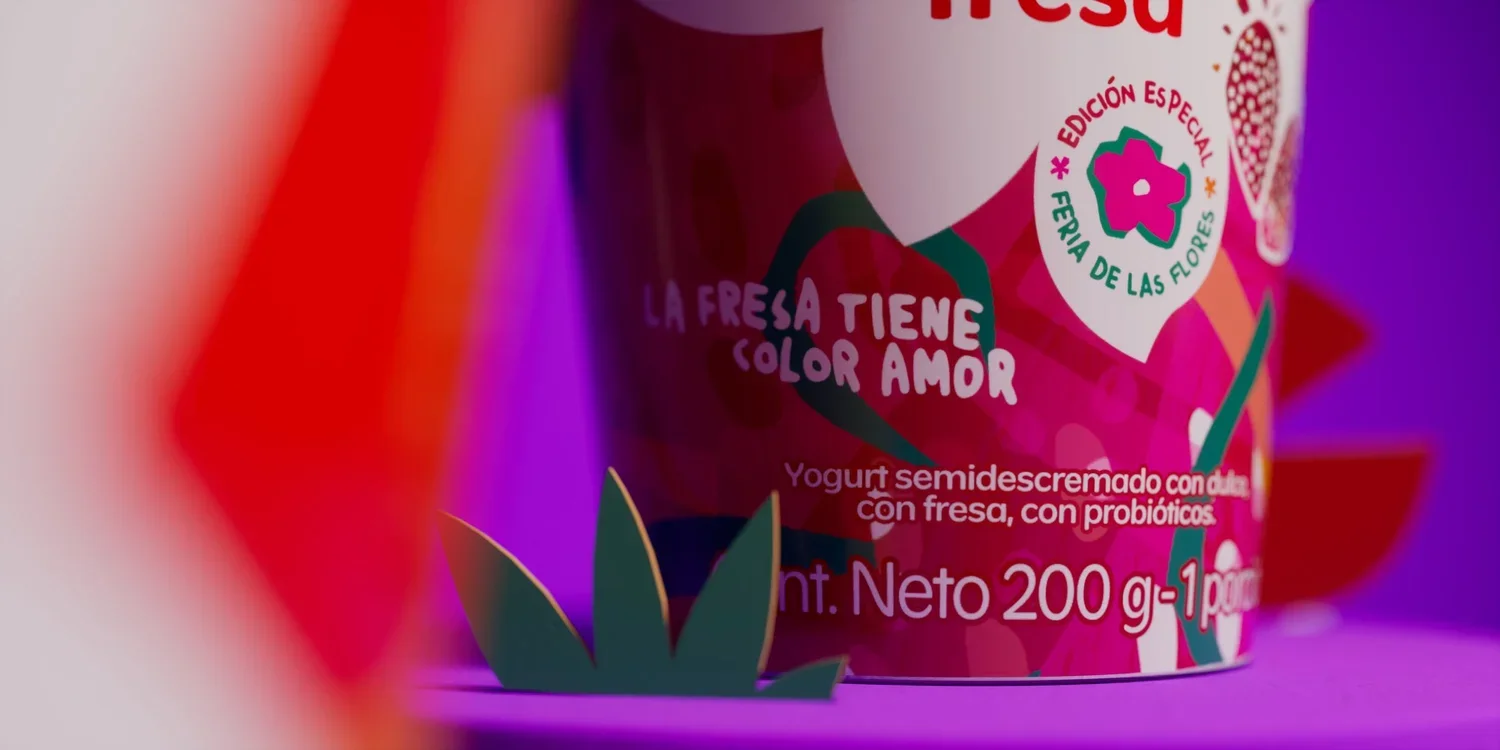
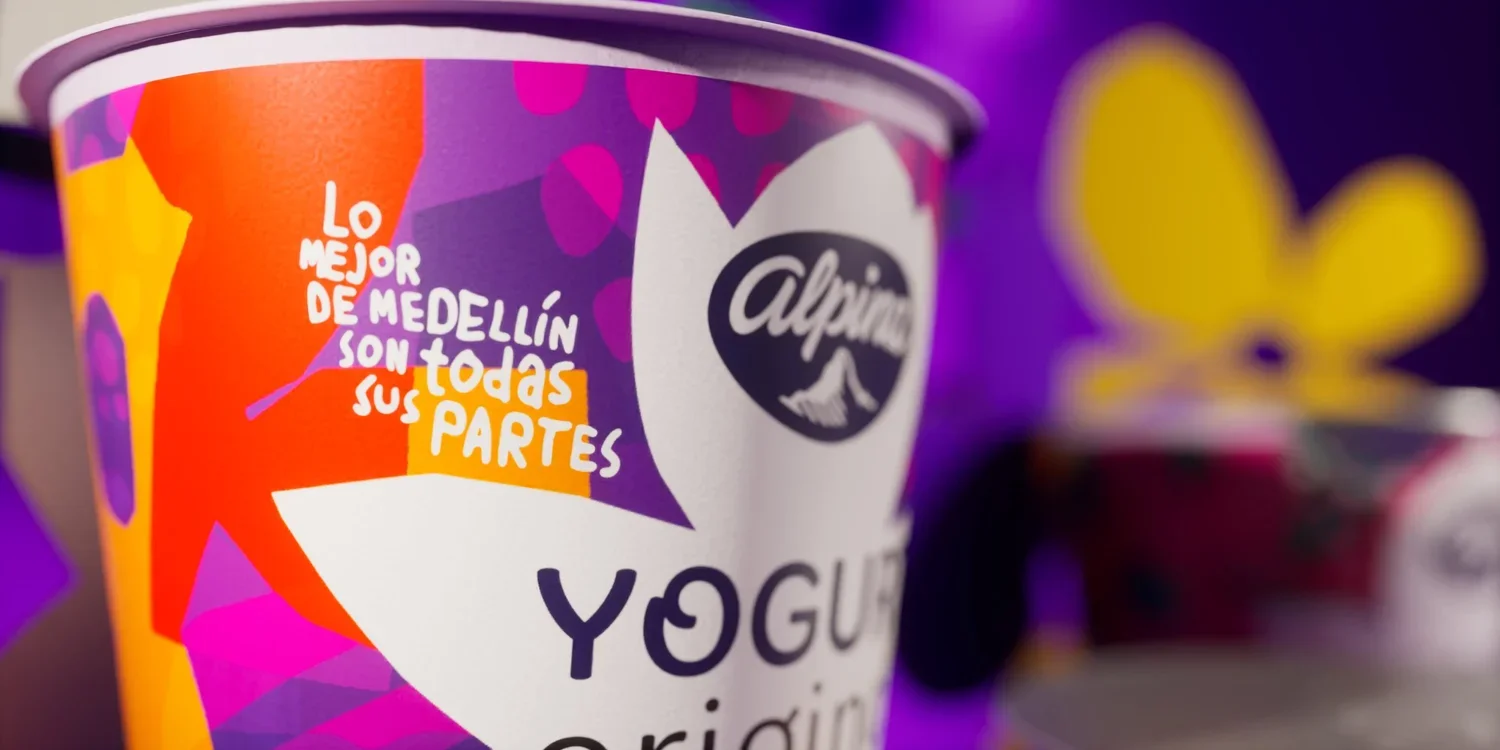
Their words appeared on product packaging.
And their unique way of seeing the world transformed a familiar celebration into something entirely new.
Madness Studio was invited to help bring those drawings to life, creating a visual universe where imagination, culture, and storytelling could coexist in a way that felt authentic to every child behind the artwork.
THE CHALLENGE
The Feria de las Flores is one of Colombia's most iconic cultural celebrations, filled with color, tradition, and history.
The challenge was not simply to represent the festival, but to reinterpret it through a completely different perspective.
Alpina wanted to create a campaign that celebrated inclusion while giving visibility to voices that are not always represented in mainstream communication.
The artwork created by the children needed to remain at the center of the story, preserving its authenticity, personality, and emotional value throughout the entire campaign.
THE IDEA
The campaign was built around a simple but powerful concept:
Celebrate The Fair Through Different Eyes.
Rather than creating a traditional representation of the festival, Alpina invited children from a neurodiverse foundation to interpret the Feria de las Flores through their own imagination.
Their illustrations became the creative foundation for the entire campaign.
Their thoughts and reflections appeared directly on product packaging, transforming everyday consumer products into a platform for inclusion, creativity, and perspective.
The result was a campaign that encouraged audiences to experience a familiar cultural tradition through a completely different lens.
EXECUTION
Madness Studio was responsible for transforming the children's illustrations into a three-dimensional visual world while preserving the authenticity of every original drawing.
Rather than replacing the artwork, the goal was to extend it.
Each illustration was carefully translated into CGI environments, combining digital modeling, lighting, composition, and visual storytelling to create scenes that felt true to the imagination behind the original drawings.
Special attention was given to maintaining the charm, spontaneity, and personality of the children's work, ensuring that technology amplified their voices rather than overshadowing them.
The final campaign combined illustration, packaging design, CGI, and storytelling into a unified visual experience that celebrated both creativity and inclusion.
RESULTS
The campaign transformed a traditional seasonal promotion into a meaningful conversation about creativity, inclusion, and opportunity.
By placing the artwork and words of neurodiverse children at the center of the campaign, Alpina created a celebration that extended far beyond the product itself.
More importantly, the project helped create economic opportunities for the participating artists and their families through the professional use of their work, recognizing their creativity not as a charitable gesture, but as valuable artistic contribution.
The campaign received recognition within the advertising and creative industries, earning multiple awards while helping bring visibility to both the artists and the foundation behind the initiative.
For Madness Studio, the project remains one of the strongest examples of how creativity and technology can amplify human stories, proving that some of the most powerful ideas come from seeing the world differently.
Sometimes the most interesting way to see the world is through someone else's eyes.
COPA AIRLINES
Connecting Worlds Through Storytelling
Some destinations are visited.
Others are built.
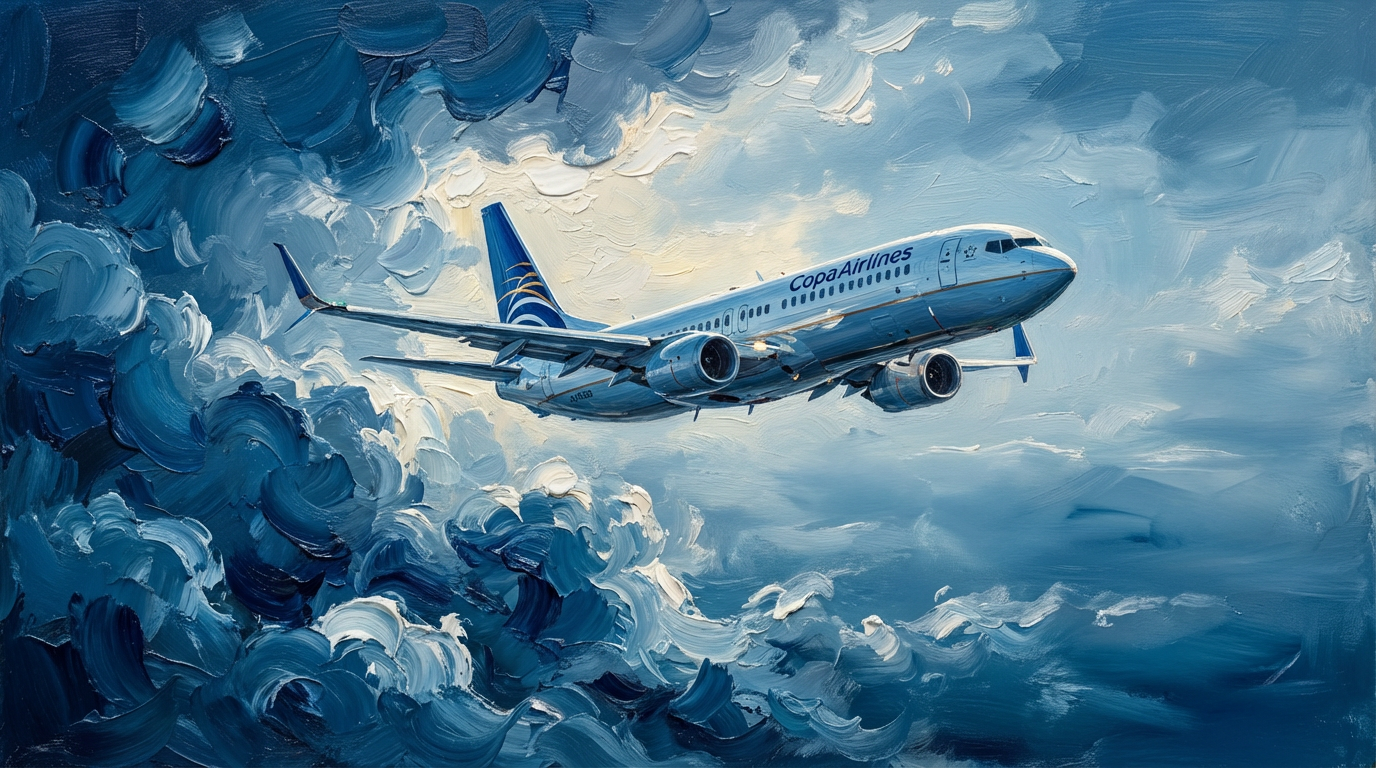
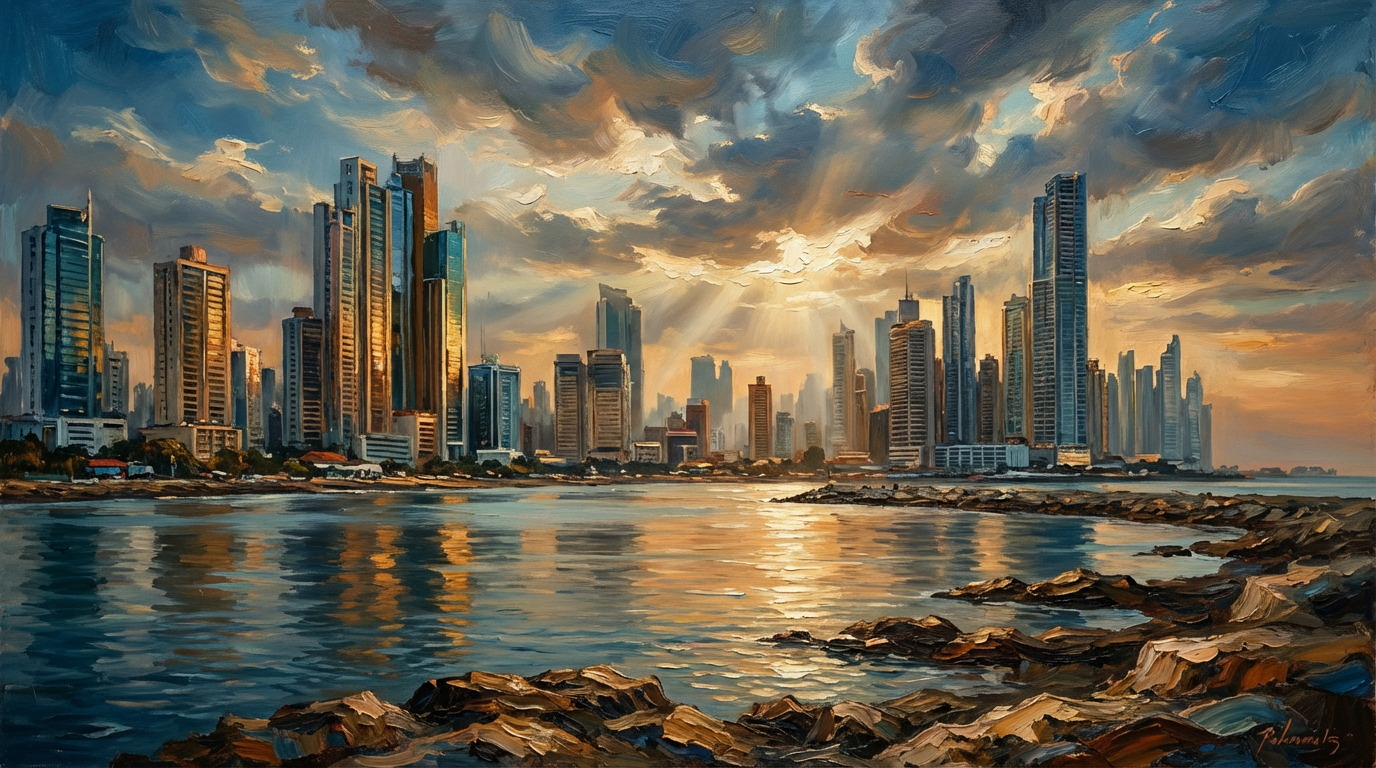
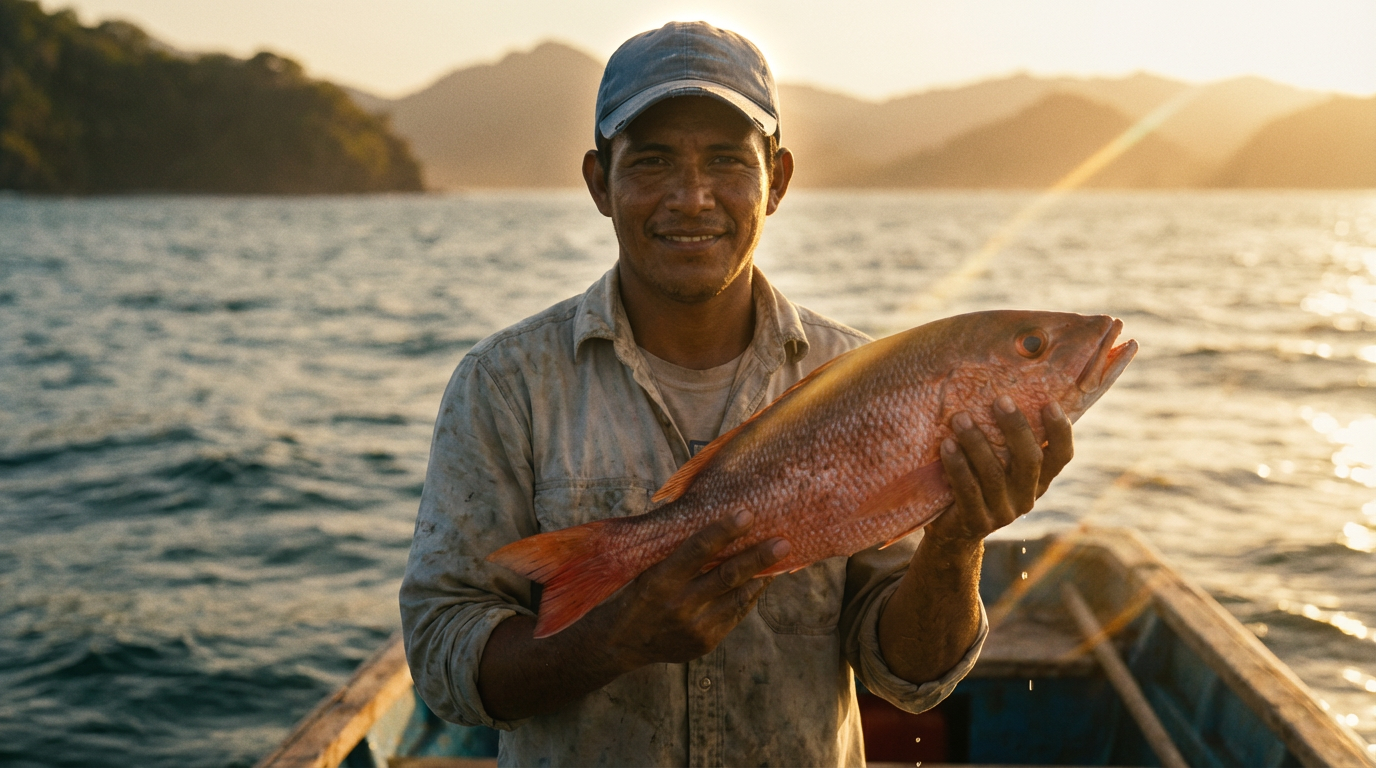
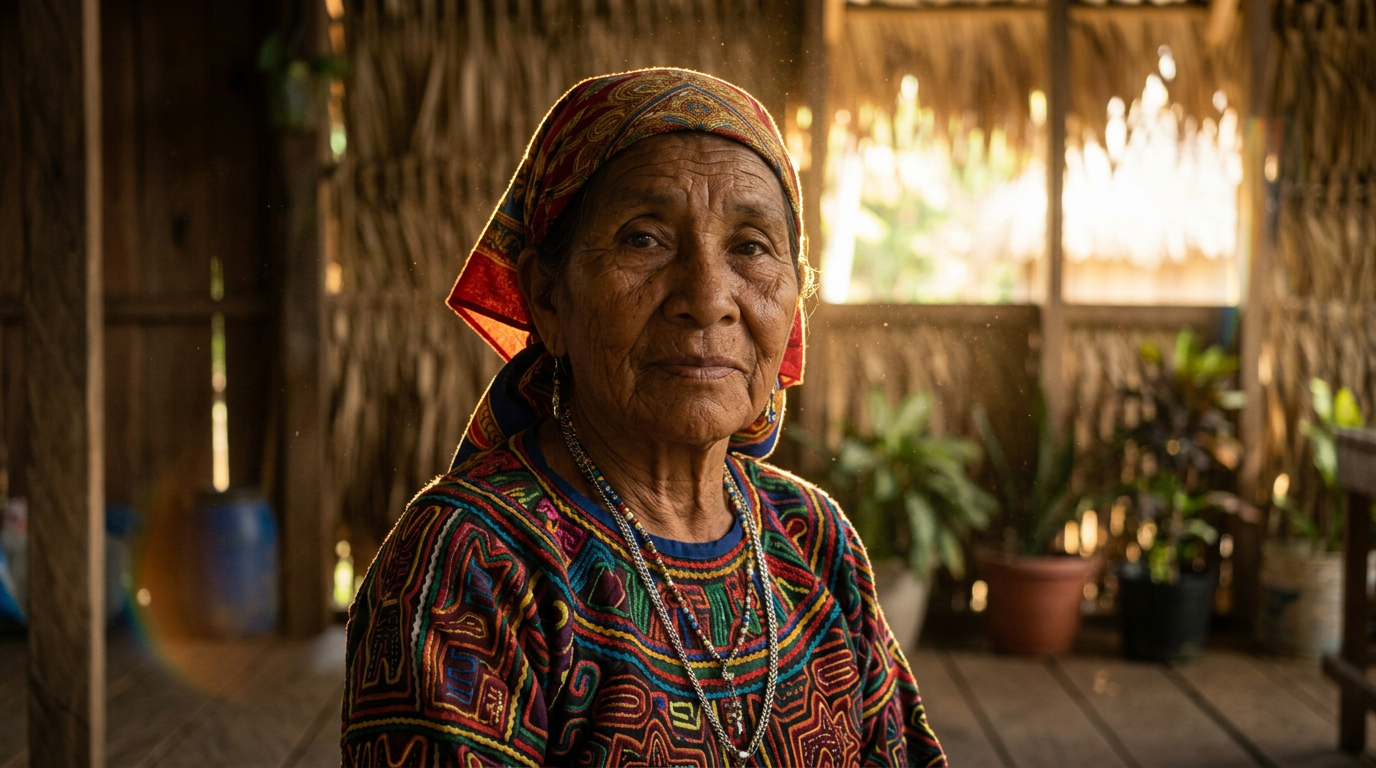
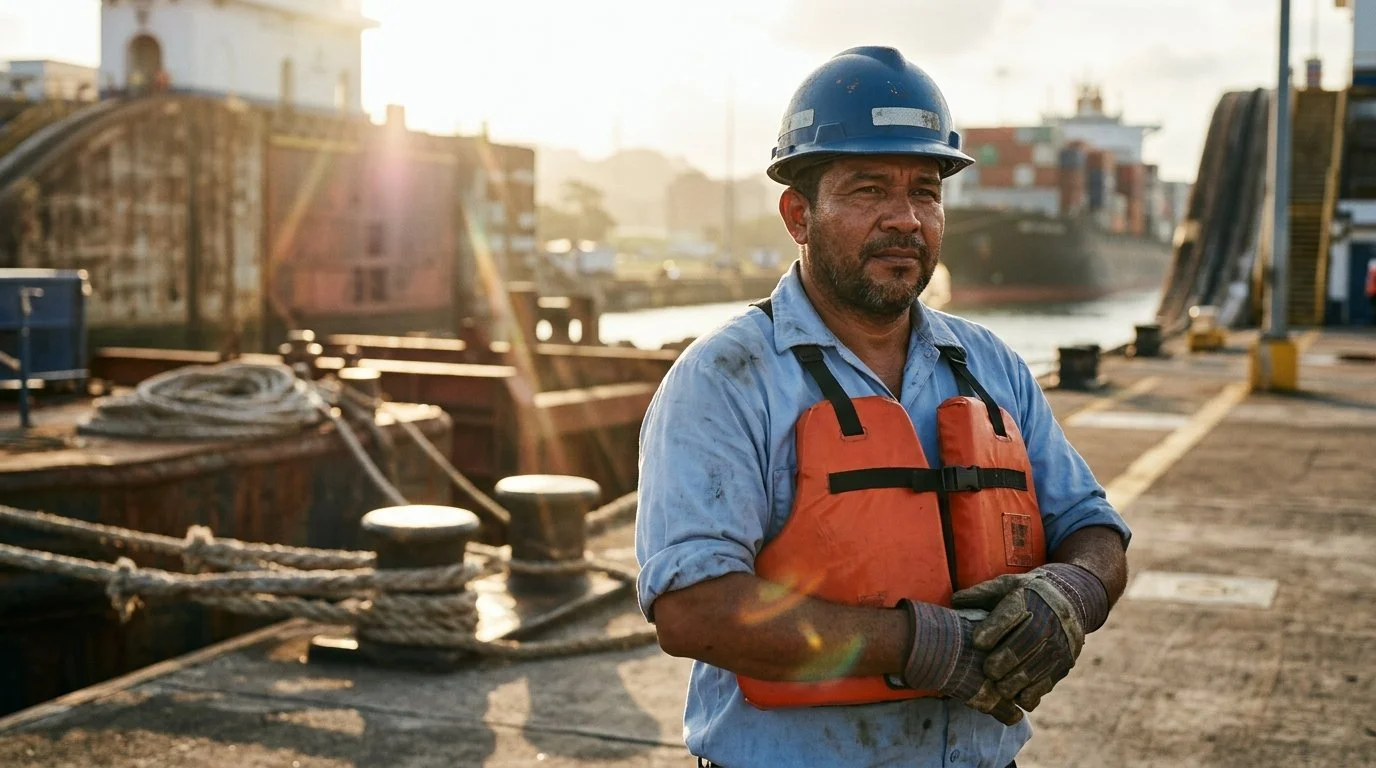
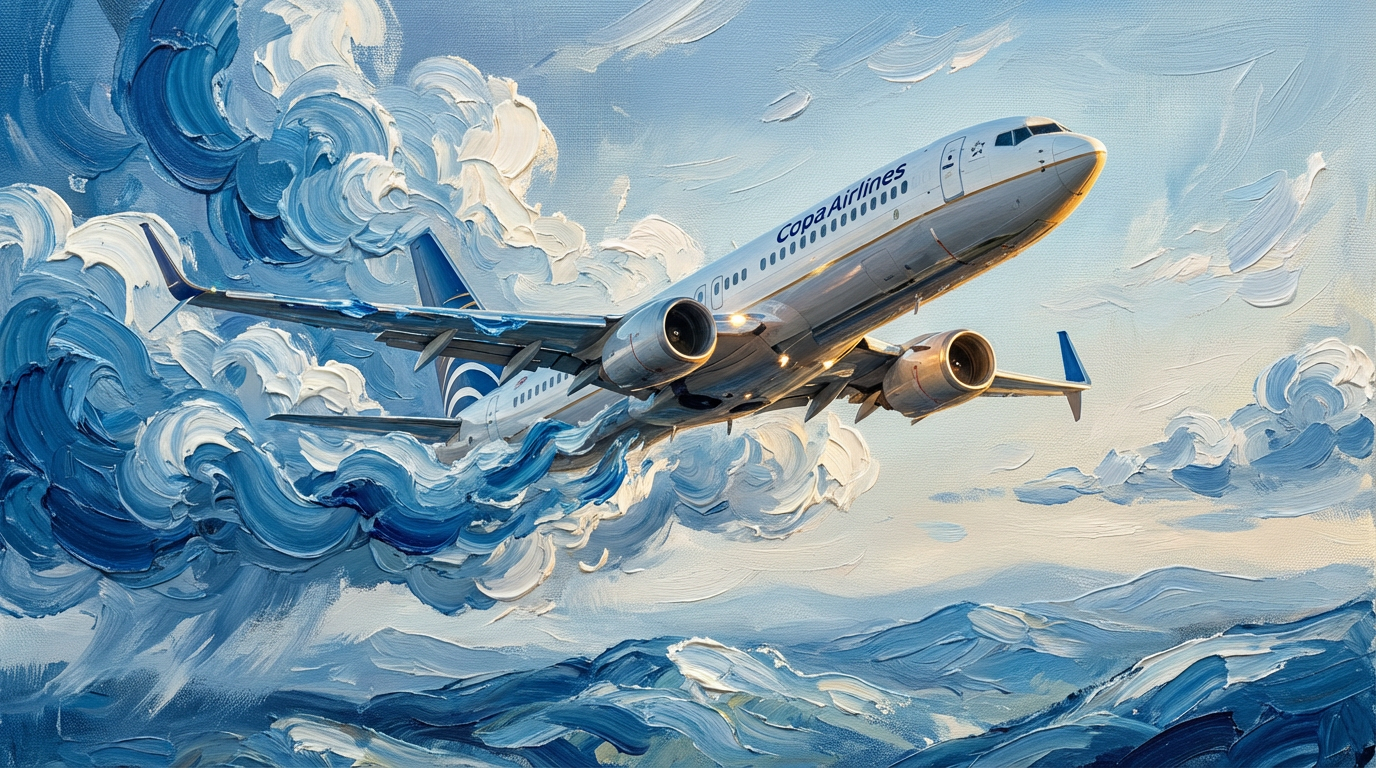
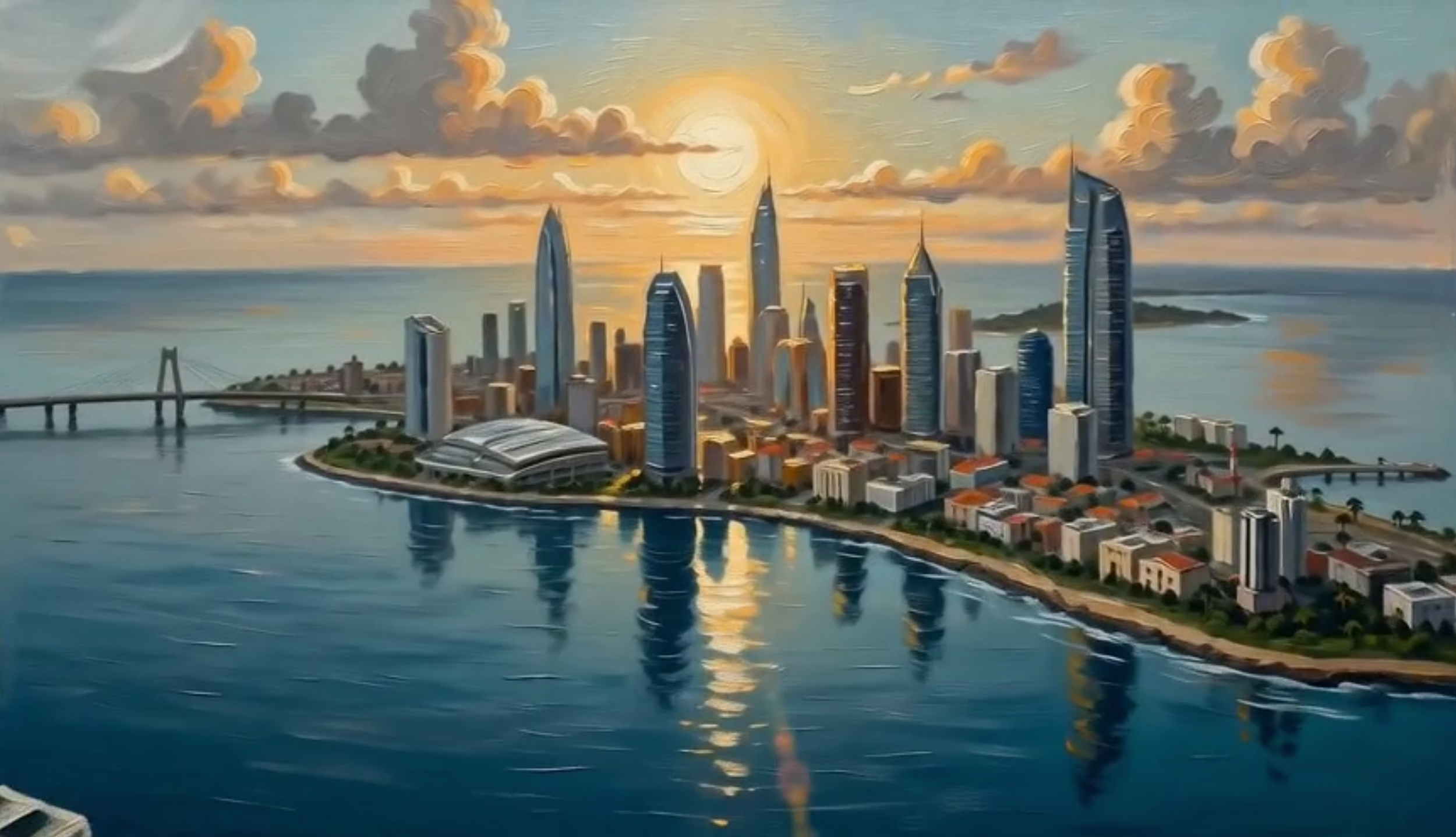
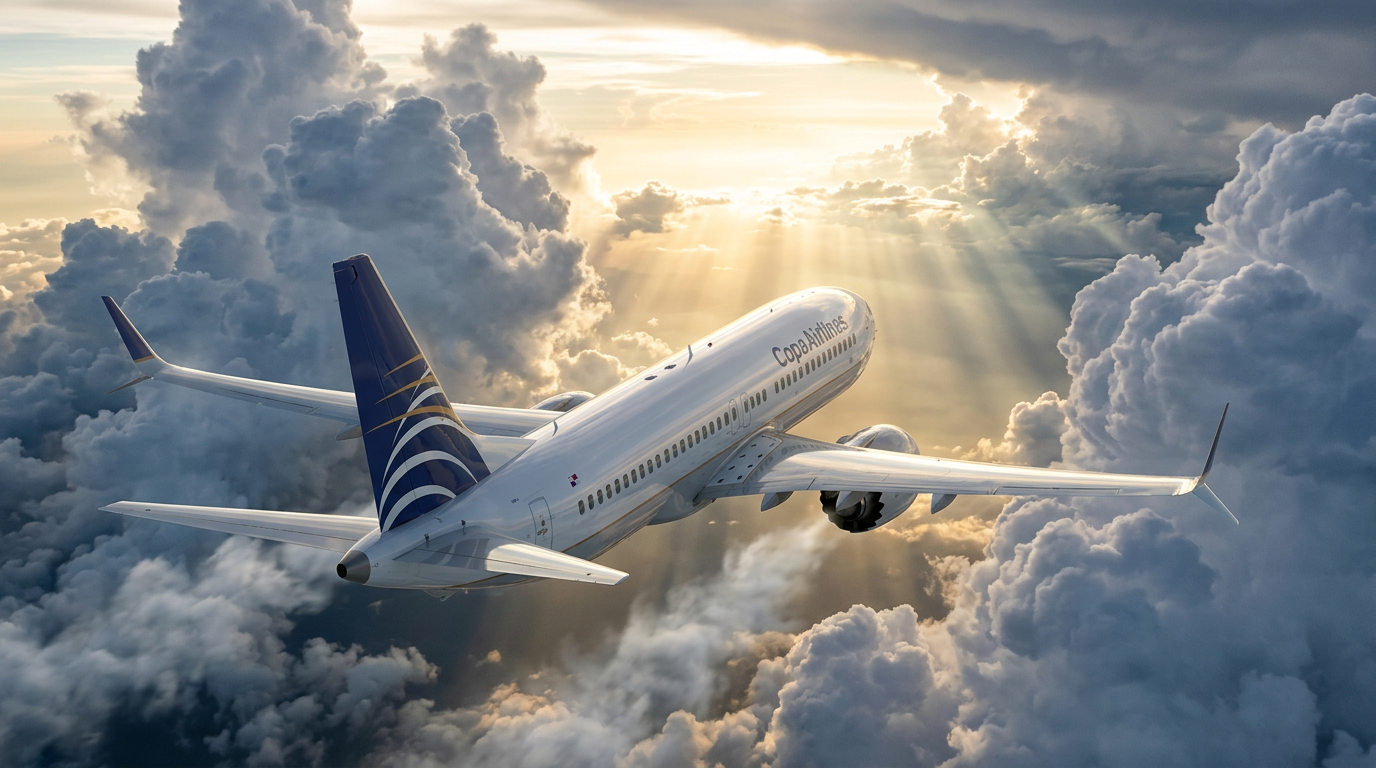
Created for Copa Airlines, this film tells the story of Panama's transformation from a volcanic island emerging from the sea into one of the most important connection hubs in the Americas.
Combining AI filmmaking, CGI, and visual storytelling, the project reimagines the country's history as a continuous journey of growth, innovation, and connection.
The result is a cinematic narrative where geography, culture, infrastructure, and aviation become part of the same story.
THE CHALLENGE
Airlines connect people every day.
But how do you communicate the value of a connection hub in a way that feels emotional rather than operational?
Copa Airlines needed a story capable of going beyond routes, schedules, and destinations.
The challenge was to create a film that explained why Panama occupies such a unique place in the region while reinforcing the airline's role as a bridge between cultures, countries, and opportunities.

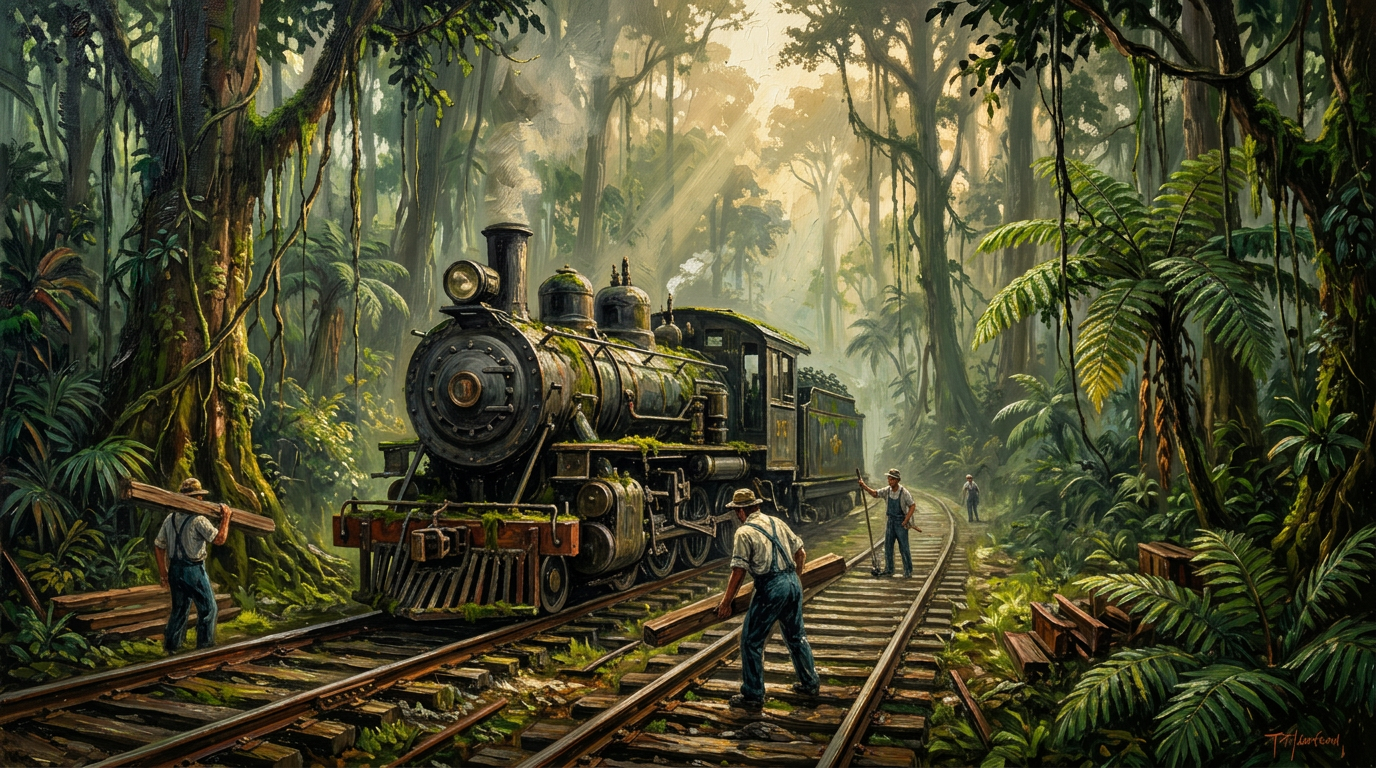
"The film was designed to resemble a moving oil painting."




THE IDEA
Instead of telling the story through facts and statistics, the film transformed Panama itself into the protagonist.
The narrative begins beneath the ocean, where volcanic activity slowly gives birth to an island.
As the landscape evolves, forests emerge, communities grow, trade develops, and infrastructure begins to connect people across continents.
The Panama Canal, the railway, modern architecture, and finally aviation become chapters of the same story.
A story about connection.
A story about movement.
A story about how geography shaped one of the world's most important crossroads.
EXECUTION
The project combined AI filmmaking techniques with CGI environments, visual development, animation, and cinematic storytelling.
Multiple AI and digital production tools were used throughout the process to create a seamless visual journey spanning millions of years of transformation.
Special attention was given to transitions, environmental evolution, atmosphere, and visual continuity, allowing each sequence to flow naturally into the next despite representing vastly different moments in time.
The final film blended technology, design, and narrative into a single visual experience capable of communicating a complex story through emotion rather than exposition.

RESULTS
The film provided Copa Airlines with a unique visual narrative that positioned Panama not simply as a destination, but as a symbol of connection.
By combining history, geography, culture, and aviation into a single cinematic story, the project demonstrated how AI-powered filmmaking can communicate ideas that would traditionally require significantly larger production budgets and logistical complexity.
For Madness Studio, the project became an example of how emerging technologies can expand creative possibilities while remaining in service of storytelling.
Because the most memorable journeys are rarely about where we arrive.
They're about everything that connects us along the way.
Before it connected continents, Panama had to emerge from the sea.
AB INBEV | MASTERPIECE
When Natural Flavors Become Art
INTRODUCTION
AB InBev challenged traditional beverage advertising by transforming product communication into a cultural experience.
For its growing portfolio of fruit-based and low-alcohol beverages, the brand needed a way to communicate natural ingredients without relying on the visual clichés commonly seen in the category.
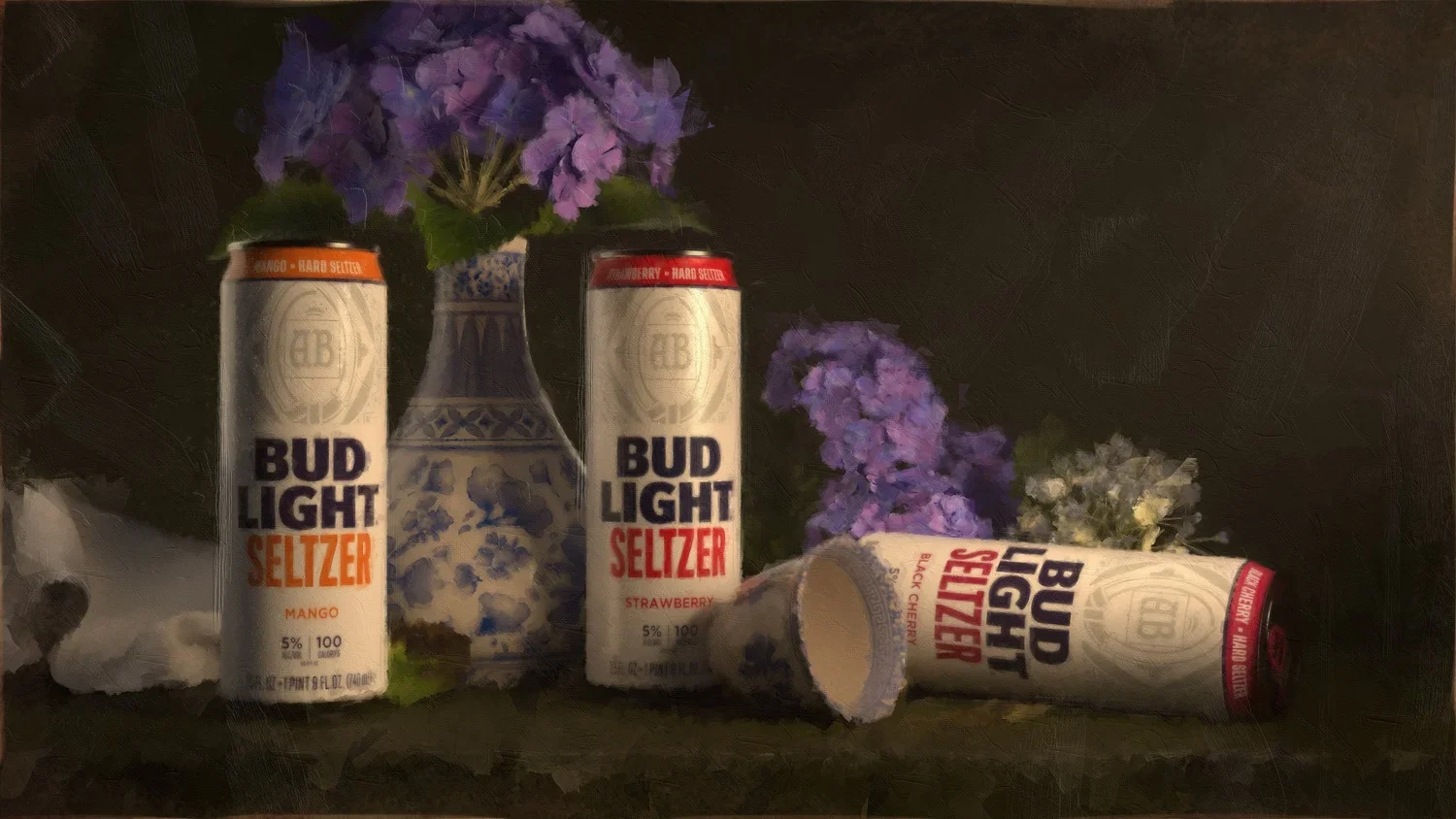
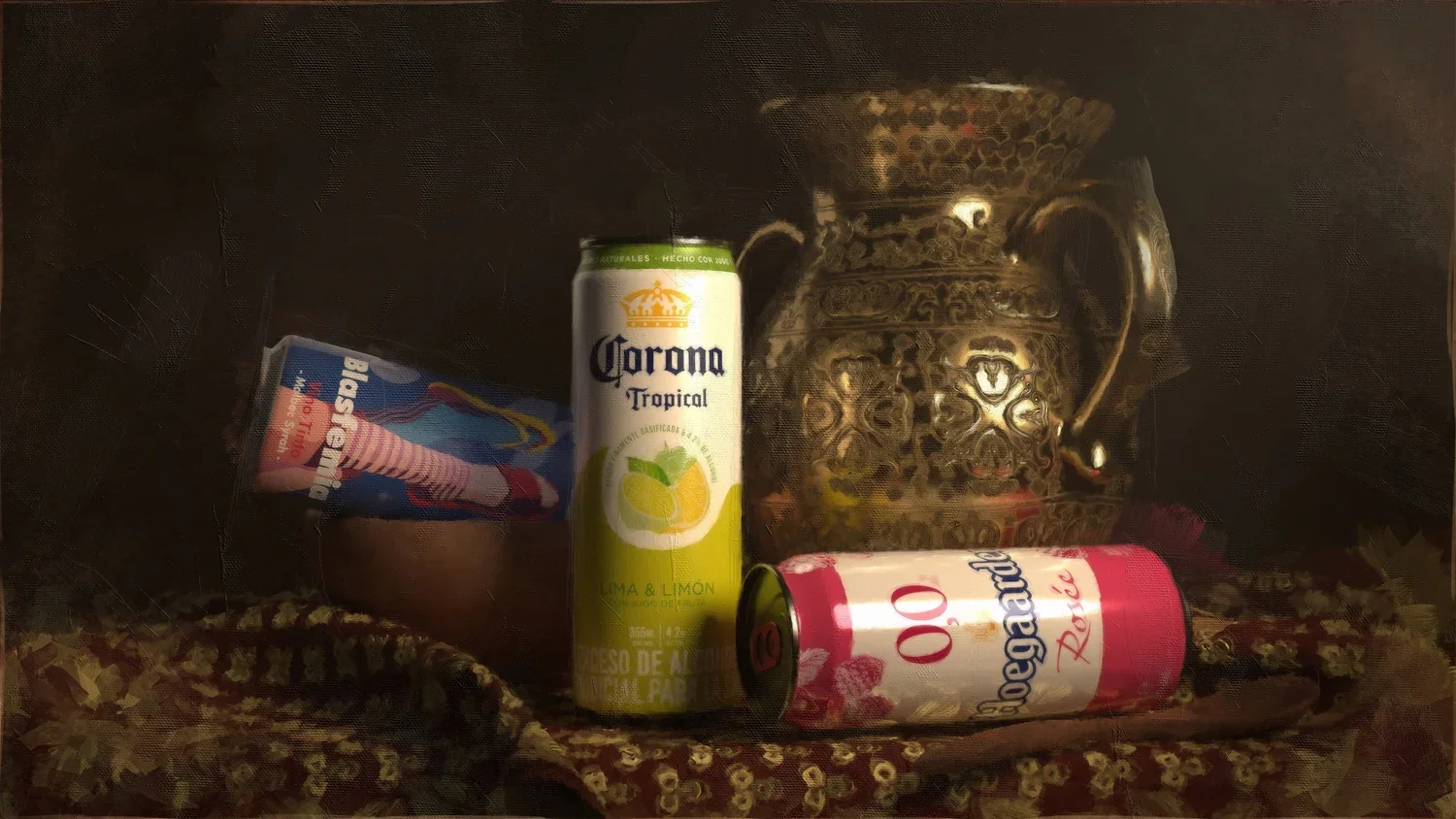
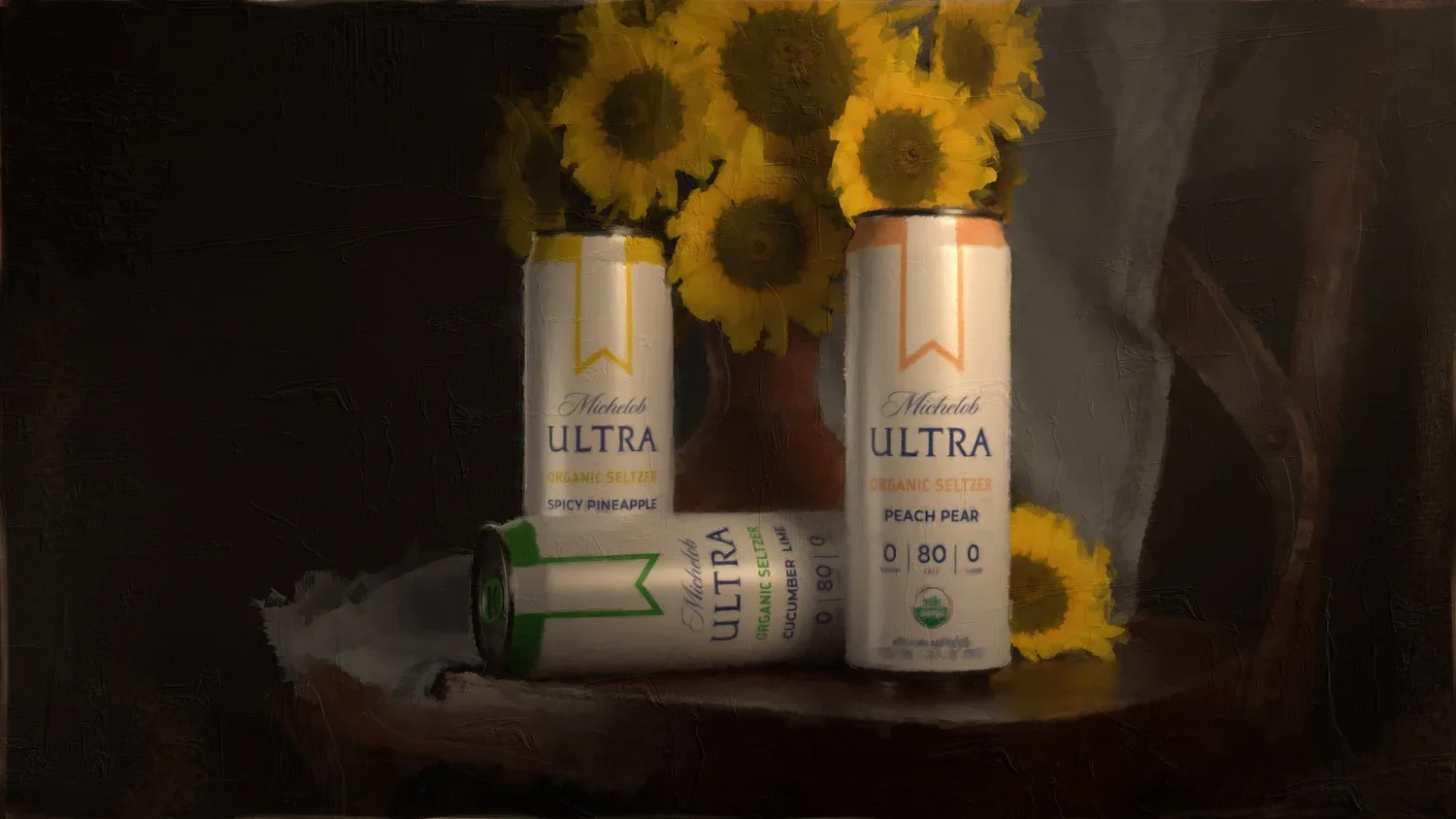
The solution was to borrow the language of classical art and build a campaign where products were presented not as beverages, but as masterpieces.
CHALLENGE
Consumer preferences were shifting toward beverages made with natural ingredients, fruit flavors, and lower alcohol content.
AB InBev needed a campaign capable of communicating these product attributes in a premium and memorable way while standing apart from traditional beverage advertising.
The challenge was simple:
How do you make natural ingredients feel extraordinary?
IDEA
For centuries, painters have celebrated nature through still-life compositions filled with fruits, flowers, and organic elements.
We asked a different question:
What if the products themselves became the subject of the artwork?
Instead of showing ingredients around the beverages, the beverages replaced the ingredients, becoming the centerpiece of classical-inspired compositions.
The result was a series of contemporary masterpieces where natural flavors were elevated to the status of art.
EXECUTION
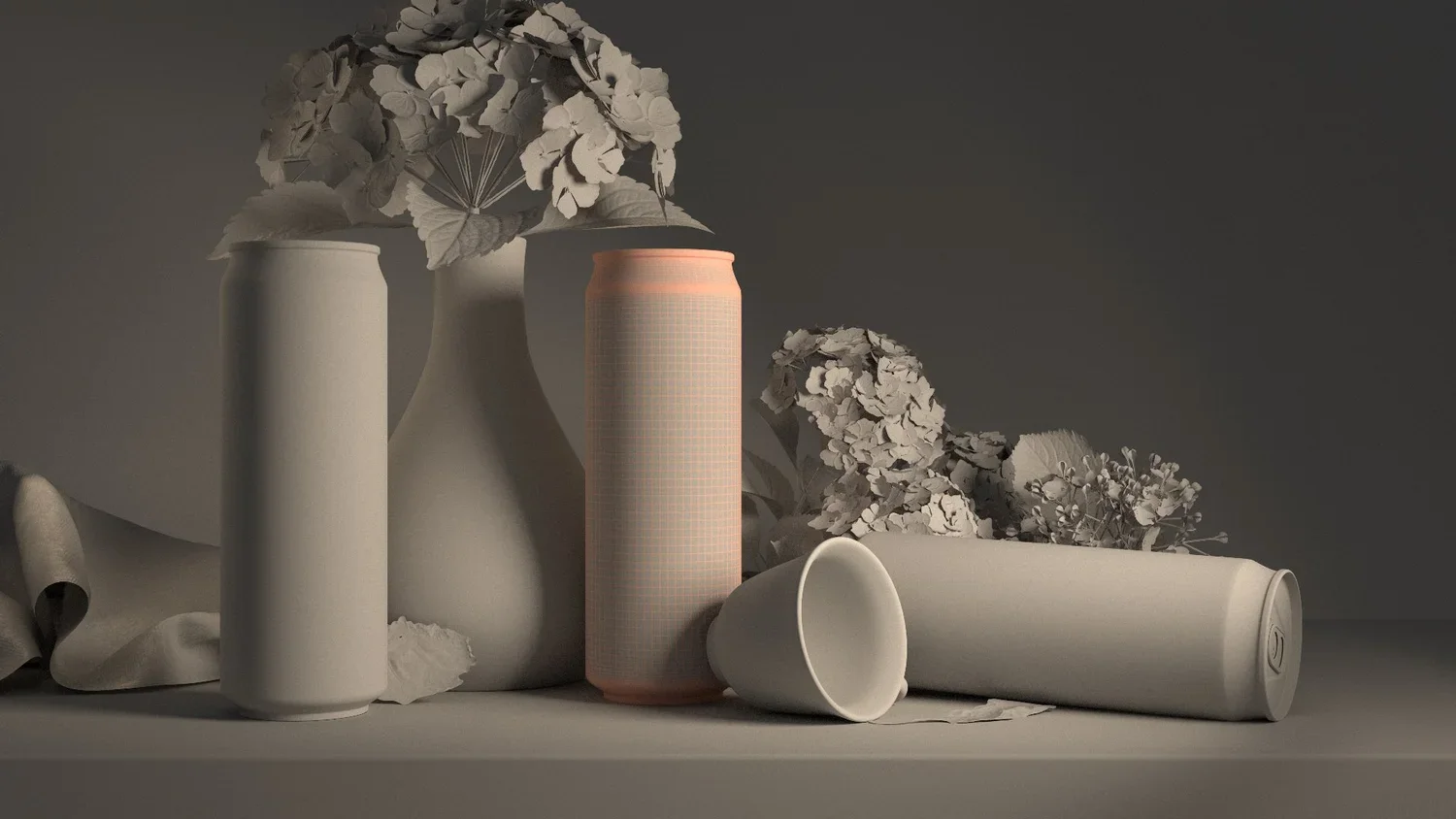
Madness Studio developed a collection of hyper-realistic CGI still-life scenes inspired by traditional oil paintings.
Each composition was carefully crafted using:
CGI product visualization
Classical still-life composition principles
Cinematic lighting
Digital oil-painting treatments
Fine-art inspired post-production
The final pieces were exhibited as part of a physical and digital gallery experience, allowing audiences to engage with the products through the lens of art rather than advertising.
RESULTS
The campaign expanded beyond traditional marketing formats and became a visual experience shared across multiple markets.
Artwork distributed in more than 10 countries
Physical and digital gallery activation
Positive audience reception across social media channels
Premium positioning for AB InBev's Beyond Beer portfolio
More importantly, the campaign demonstrated how strong ideas can transform product communication into cultural conversation.
For Madness Studio, the project became another example of a simple belief:
Technology is a tool. Great ideas are the destination.