

AI vs Traditional Production: When Should Brands Choose Each?
AI vs Traditional Production: When Should Brands Choose Each?
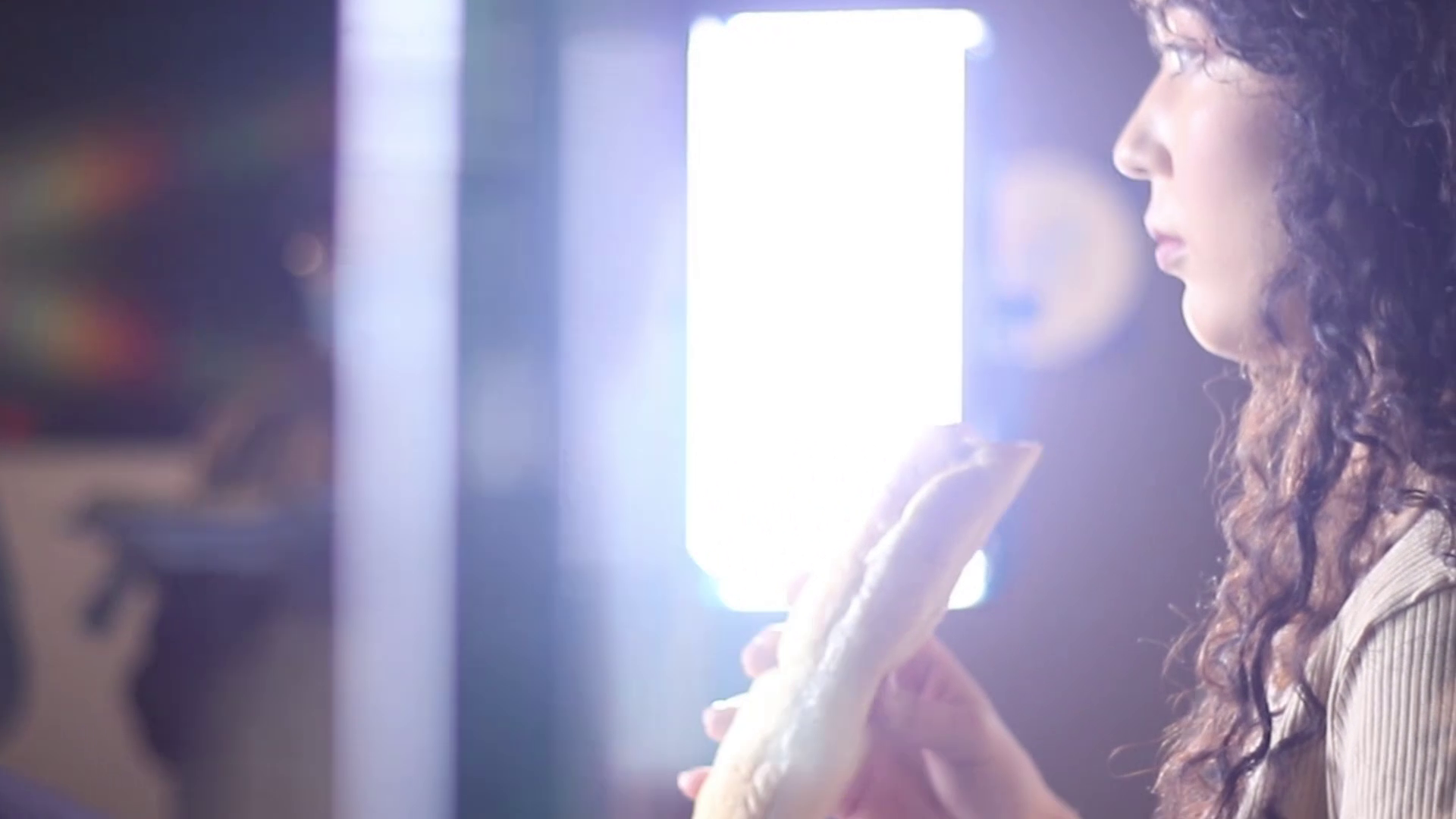
One of the biggest questions brands ask today is surprisingly simple:
Should we produce this campaign with AI or shoot it traditionally?
The answer isn't "always AI."
And it isn't "always traditional."
The best creative partners know how to choose the right tool for the right objective.
The future of advertising isn't about replacing production.
It's about expanding creative possibilities.

When AI Is the Better Choice
Artificial intelligence excels when brands need speed, flexibility and scalability.
AI is ideal for:
Product launches
Concept visualization
Social media campaigns
Multiple campaign adaptations
International versions
Budget-sensitive productions
Fast creative testing
Stylized or impossible environments
Instead of organizing large productions, creative teams can develop and refine ideas in days rather than weeks.
When Traditional Production Still Wins
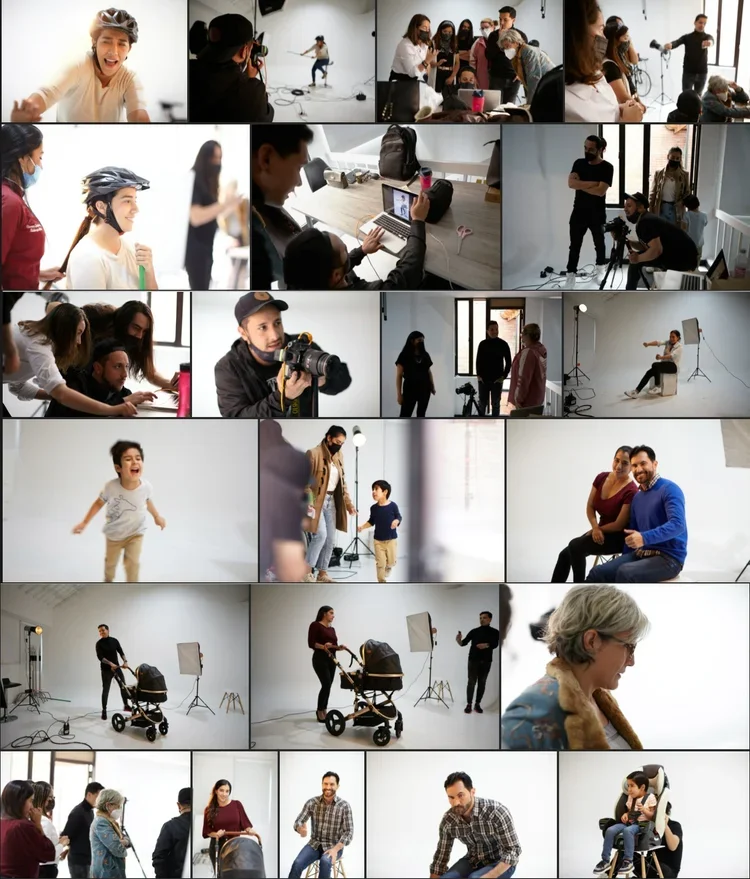
There are situations where live-action production remains the strongest solution.
Brands may choose traditional production when they need:
Real human performances
Celebrity appearances
Documentary storytelling
Authentic customer testimonials
Live events
Sports coverage
Corporate interviews
Emotional performances driven by actors
Technology cannot replace genuine human interaction.
Sometimes authenticity is the story.

The Best Campaigns Combine Both
Increasingly, brands are discovering that they don't have to choose.
The strongest campaigns blend multiple production techniques.
For example:
A commercial might feature:
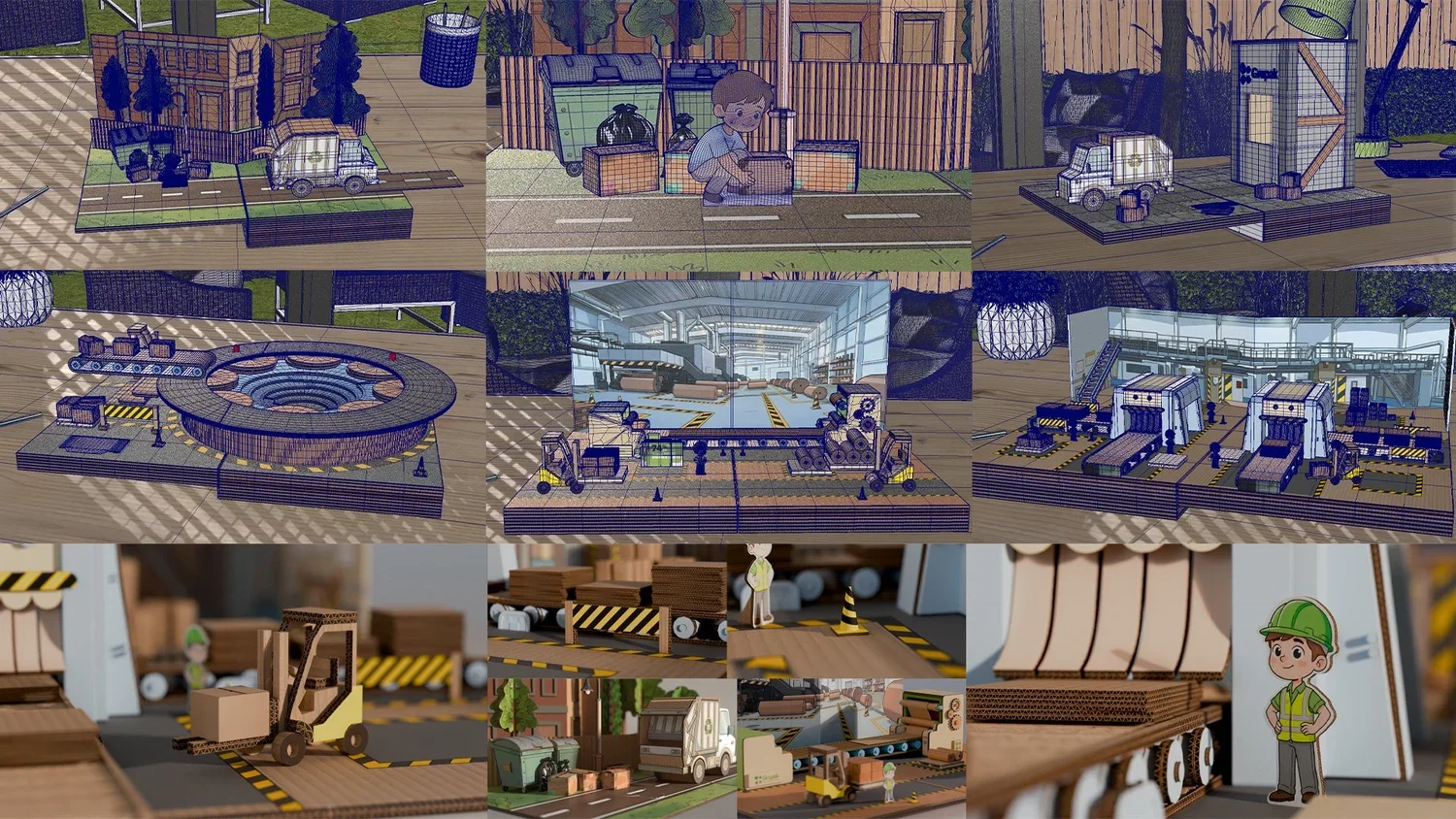
AI-generated environments
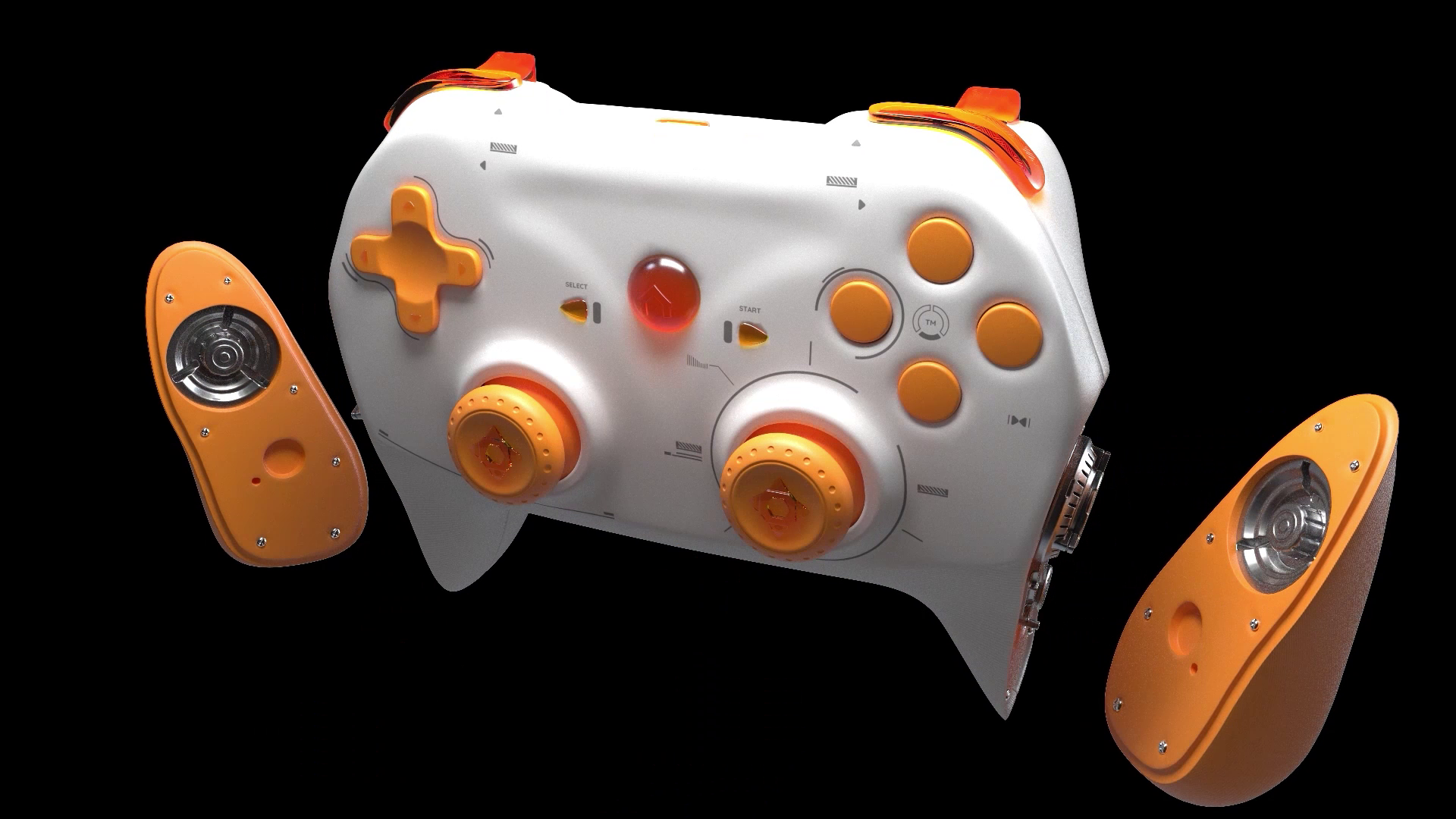
CGI products
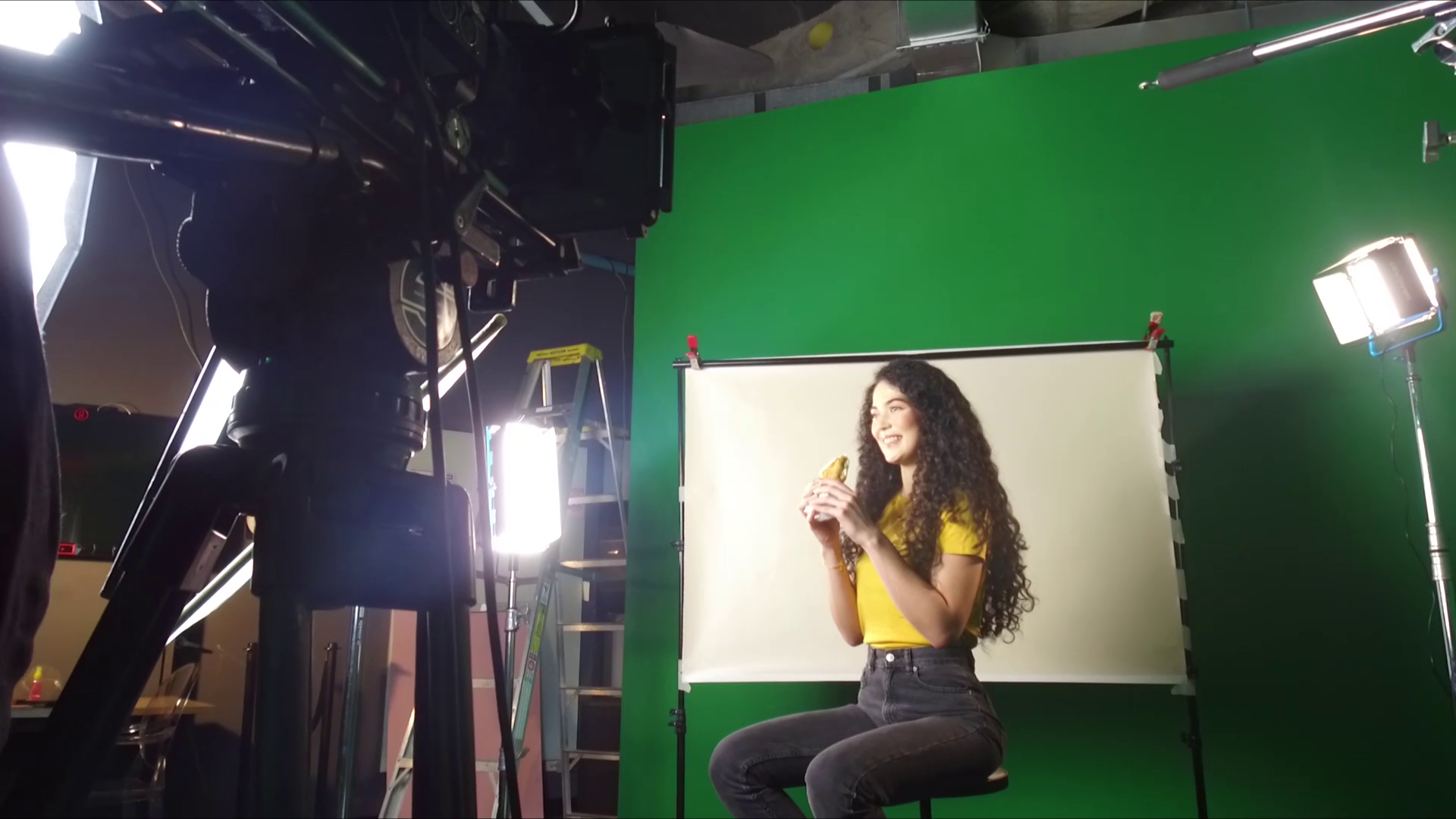
Live-action actors
Virtual production
Motion graphics
AI-assisted post-production
The audience never notices the technology.
They only experience the final story.


Budget Isn't the Only Factor
Many companies believe AI is simply a cheaper alternative.
That's not the real advantage.
The greatest value is flexibility.
Creative teams can:
Explore more ideas.
Test multiple visual directions.
Produce more campaign assets.
Adapt content for different markets.
Update campaigns quickly.
AI creates creative freedom—not just cost savings.
Every Project Is Different
A luxury perfume campaign may benefit from CGI and AI.
A global automotive launch might combine AI with traditional cinematography.
A documentary about real customers should probably be filmed.
There is no universal formula.
Every campaign deserves its own production strategy.
Our Approach at Madness Studio




We never begin with the question:
"Should we use AI?"
We begin with a different question:
"What's the best way to tell this story?"
Sometimes the answer is AI.
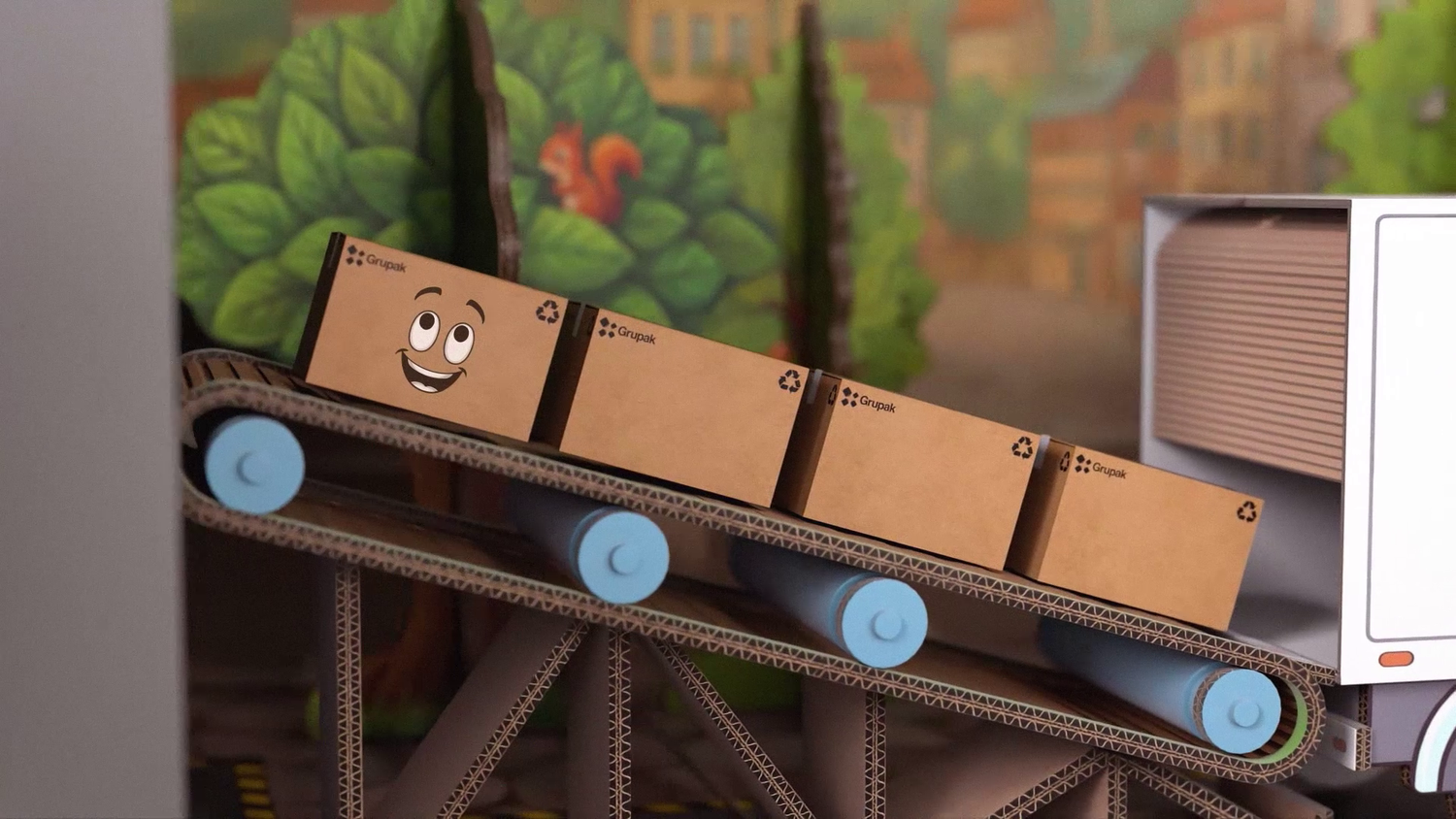
Sometimes it's CGI.
Sometimes it's live action.
Most often, it's a combination of all three.
Technology should serve creativity—not the other way around.
Choosing the Right Production Workflow
Before starting any campaign, brands should ask:
What story are we telling?
How realistic does it need to be?
How many deliverables are required?
Will the campaign evolve over time?
Is speed a competitive advantage?
Does authenticity matter more than flexibility?
Answering these questions makes the production choice much clearer.
Final Thoughts
Artificial intelligence isn't replacing traditional production.
It's becoming another powerful tool in the creative process.
The brands that will lead the next generation of advertising won't be those that always choose AI.
They'll be the ones that know when to use AI, when to use traditional filmmaking and when to combine both into something even stronger.
Continue Reading
Focus Keywords
AI vs traditional production
AI commercial production
Commercial production agency
AI advertising
AI video production
CGI studio
Artificial intelligence marketing
Creative production
Hybrid production
Commercial filmmaking
Closing
The future of commercial production isn't about replacing one method with another.
It's about understanding the strengths of every creative tool and choosing the workflow that delivers the best result for each brand, each story and each audience.
Written by
Enrique G. Wilches
Founder & CEO — Madness Studio