

Why Details Matter
Why Details Matter
Most people will never notice the tiny water droplets on a glass.
They won't notice the subtle imperfections in brushed aluminum.
They won't stop to admire the way light diffuses through ice or how a label catches a reflection.
But they will notice when those details are missing.
That is the paradox of great visual production.
The details that matter most are often invisible.
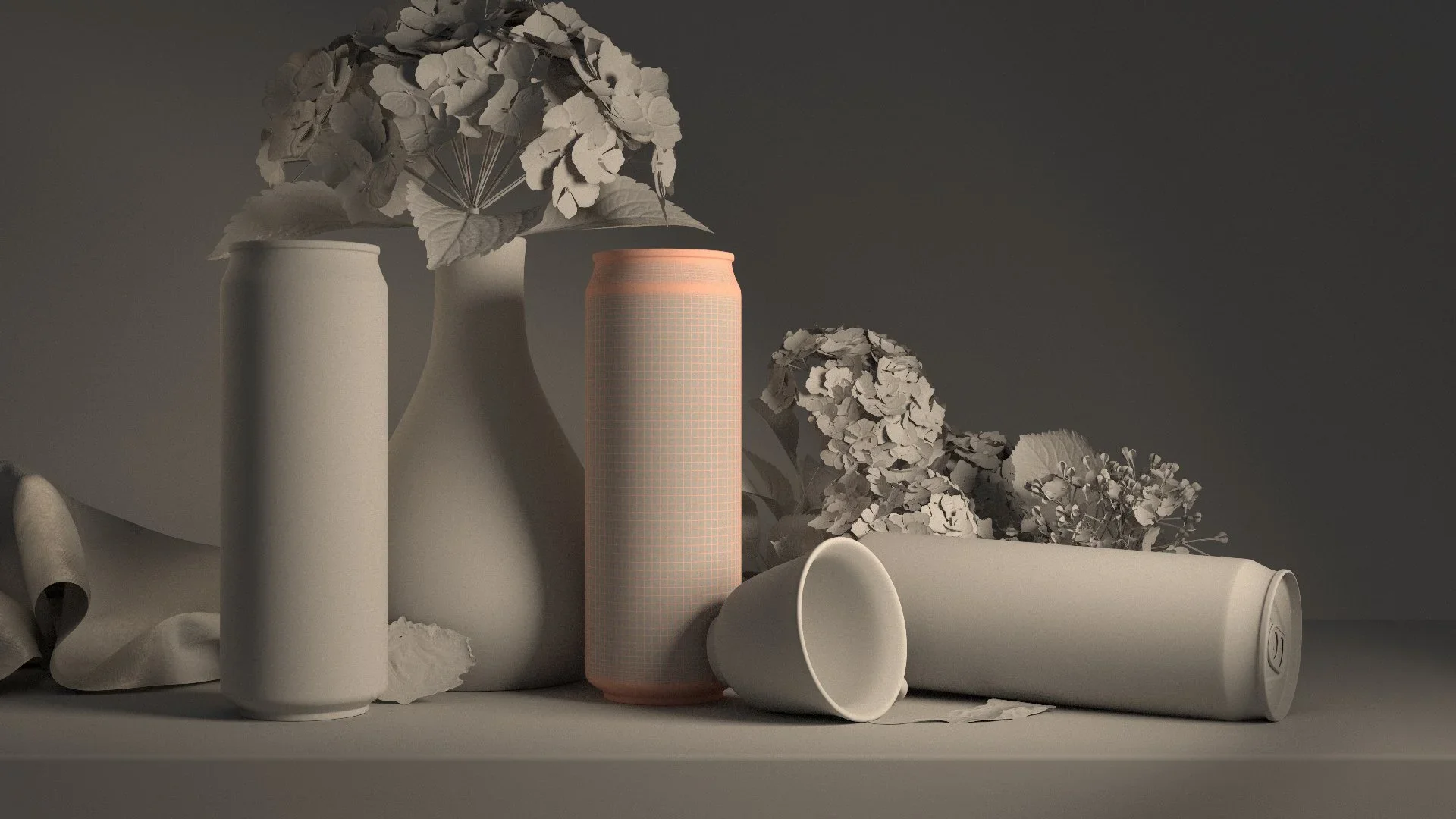
Realism Is Built One Decision At A Time
People often assume photorealism comes from powerful software or advanced rendering engines.
It doesn't.
Realism is the result of hundreds of small creative decisions.
The roughness of a surface.
The weight of a shadow.
The softness of a reflection.
The tiny imperfections that make an object feel authentic.
No single detail creates realism.
Together, they create trust.
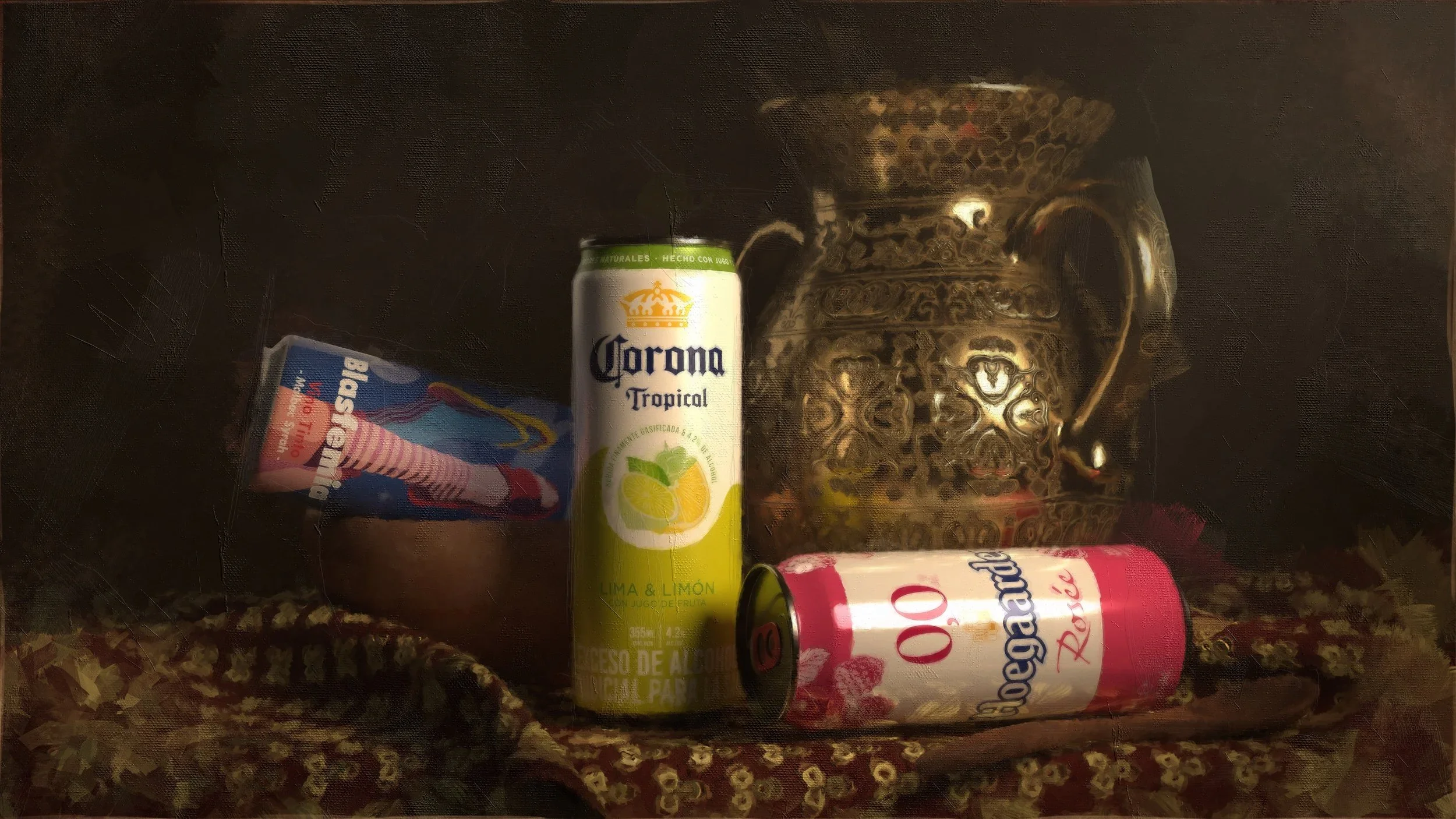
The Difference Between Looking Real And Feeling Real
A technically accurate image isn't always convincing.
Likewise, a beautiful render isn't always believable.
What makes an image feel real is often something much harder to define.
Balance.
Observation.
Experience.
Understanding how materials behave.
Knowing how light interacts with different surfaces.
Recognizing the imperfections that exist in the real world.
Reality isn't perfect.
That's precisely why perfect images often feel artificial.

Why We Obsess Over Tiny Details
At Madness, it isn't unusual to spend hours refining something that most people will never consciously notice.
A highlight on glass.
The texture of condensation.
The translucency of ice.
The edge of a label.
The way a liquid catches light.
None of these details are the story.
But together, they make the story believable.
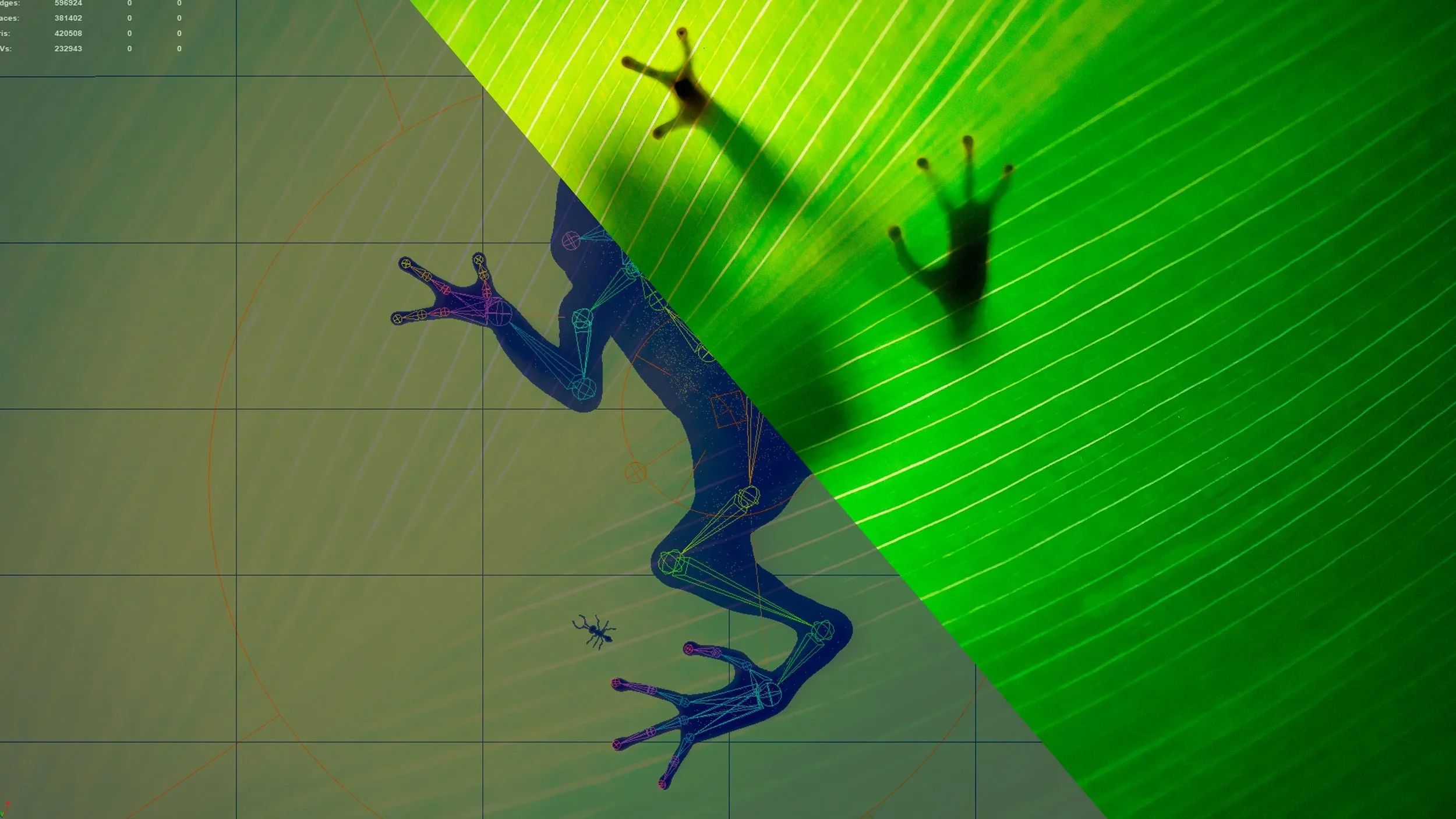
Details Build Trust
When people look at a product, they make judgments in fractions of a second.
Does it feel premium?
Does it feel fresh?
Does it feel authentic?
Those impressions are rarely created by one dramatic visual decision.
They emerge from dozens of subtle ones.
The smallest details often have the biggest influence on perception.
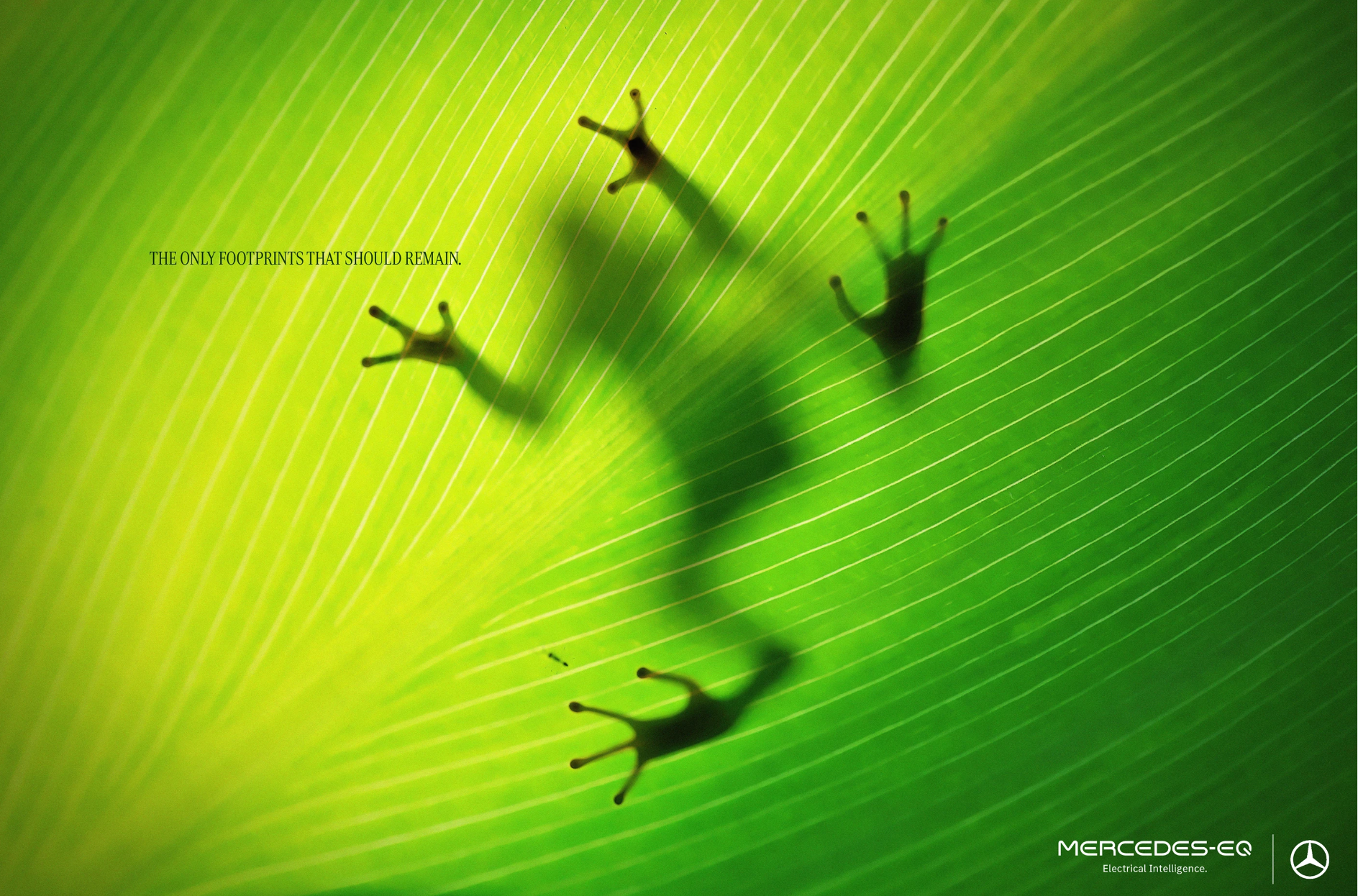
The Goal Isn't Perfection
Ironically, perfection is rarely the objective.
Real products have fingerprints.
Tiny scratches.
Soft edges.
Manufacturing tolerances.
Natural variation.
Adding these imperfections doesn't make an image worse.
It makes it more human.
More believable.
More trustworthy.
What We Believe

Technology allows us to create extraordinary images.
But technology alone doesn't create realism.
Observation does.
Patience does.
Curiosity does.
The willingness to spend another hour improving something that only a handful of people will consciously notice.
Because the audience may never point to a specific reflection or texture and say,
"That's why I trust this brand."
But they will feel the difference.
And in visual storytelling, feelings are often built one detail at a time.
Great visual work is rarely remembered because of a single spectacular element.
It succeeds because hundreds of small decisions work together so seamlessly that nobody notices them individually.
The details disappear.
The story remains.
And sometimes, that's exactly how you know they were done right.