
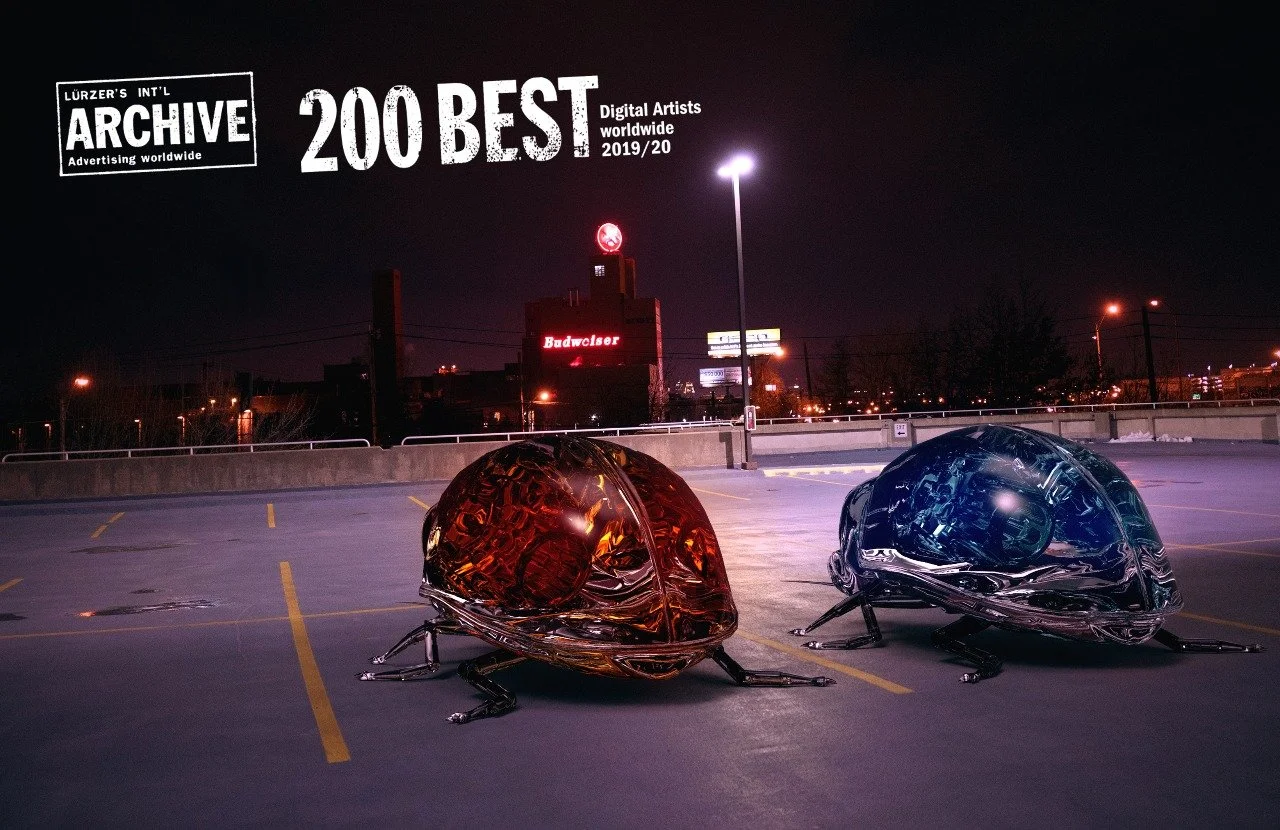
Why Premium Brands Choose CGI Over Traditional Product Photography
Why Premium Brands Choose CGI Over Traditional Product Photography
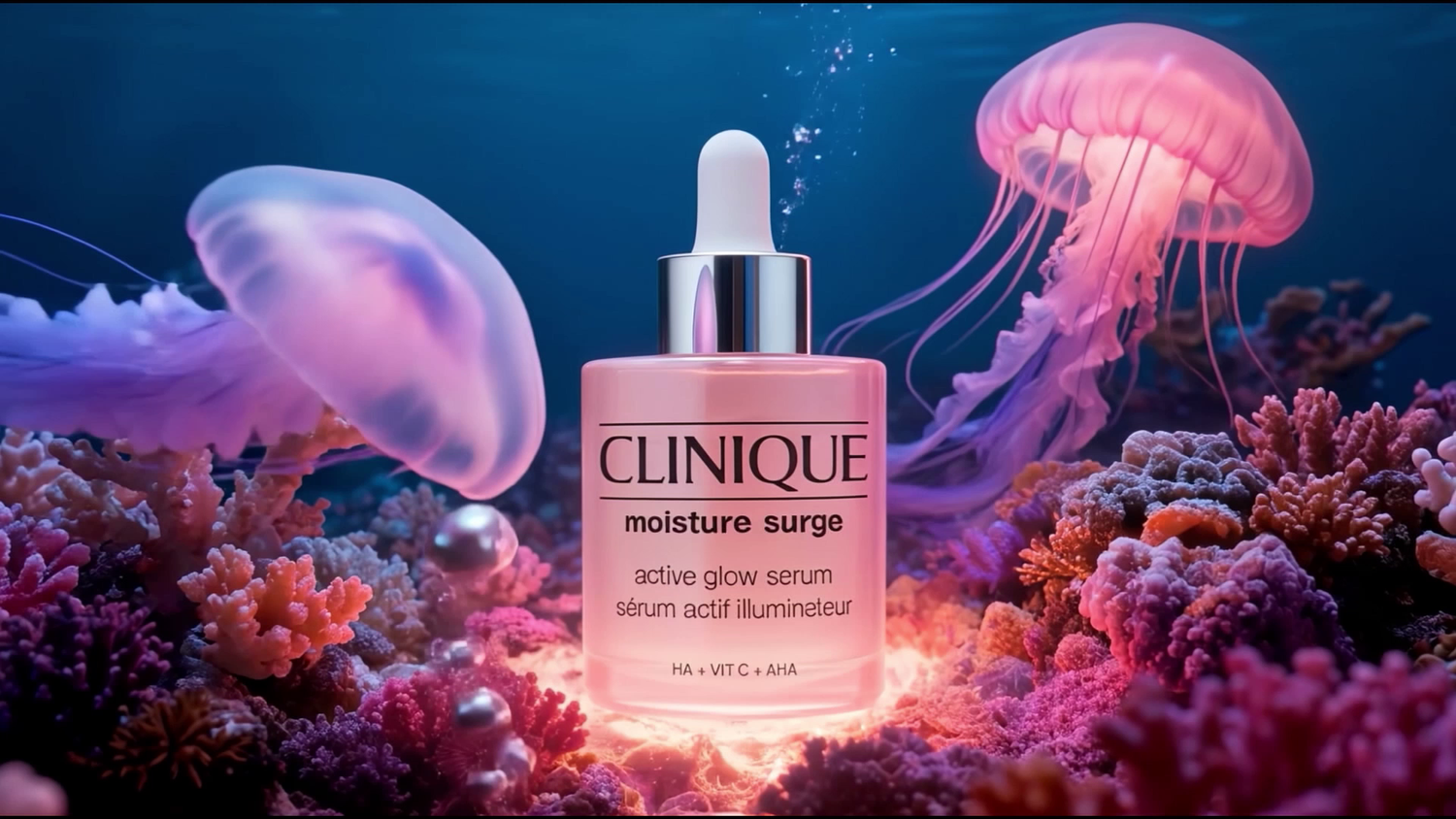
Not every product should be photographed.
For many premium brands, CGI has become the smarter choice—not because it's cheaper, but because it offers creative possibilities that photography simply cannot.
Today, industries like cosmetics, fragrances, beverages, electronics, automotive, and luxury goods increasingly rely on CGI to build global campaigns that remain visually consistent across every market.
The question is no longer whether CGI looks realistic.
The question is whether traditional photography can still offer the same flexibility.
Creative Freedom Without Physical Limitations

Photography depends on real-world conditions.
Lighting, locations, logistics, shipping, product availability, weather, and production schedules all affect the final result.
CGI removes those limitations.
Products can float inside liquid, appear in impossible environments, or be rendered from any angle without rebuilding an entire production.
Creative decisions become limited only by imagination—not logistics.
One Digital Product. Hundreds of Campaign Assets.
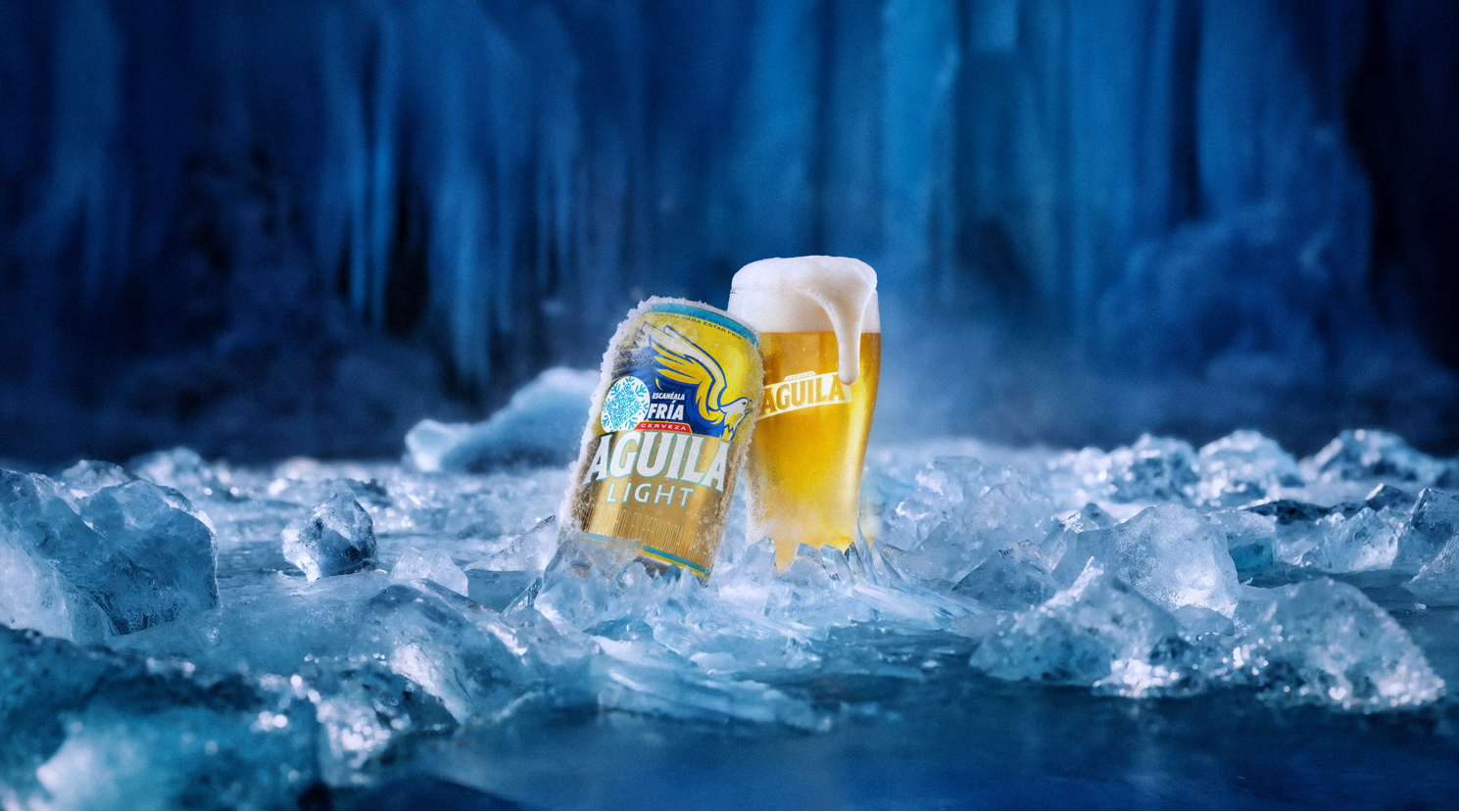
Once a premium digital asset exists, brands can produce an almost unlimited number of visuals.
The same model can generate:
Hero campaign images
E-commerce product renders
Retail displays
Social media content
Billboards
Product videos
Motion graphics
Interactive experiences
Every version remains visually identical while adapting to different markets and formats.
Perfect Consistency Across Global Campaigns
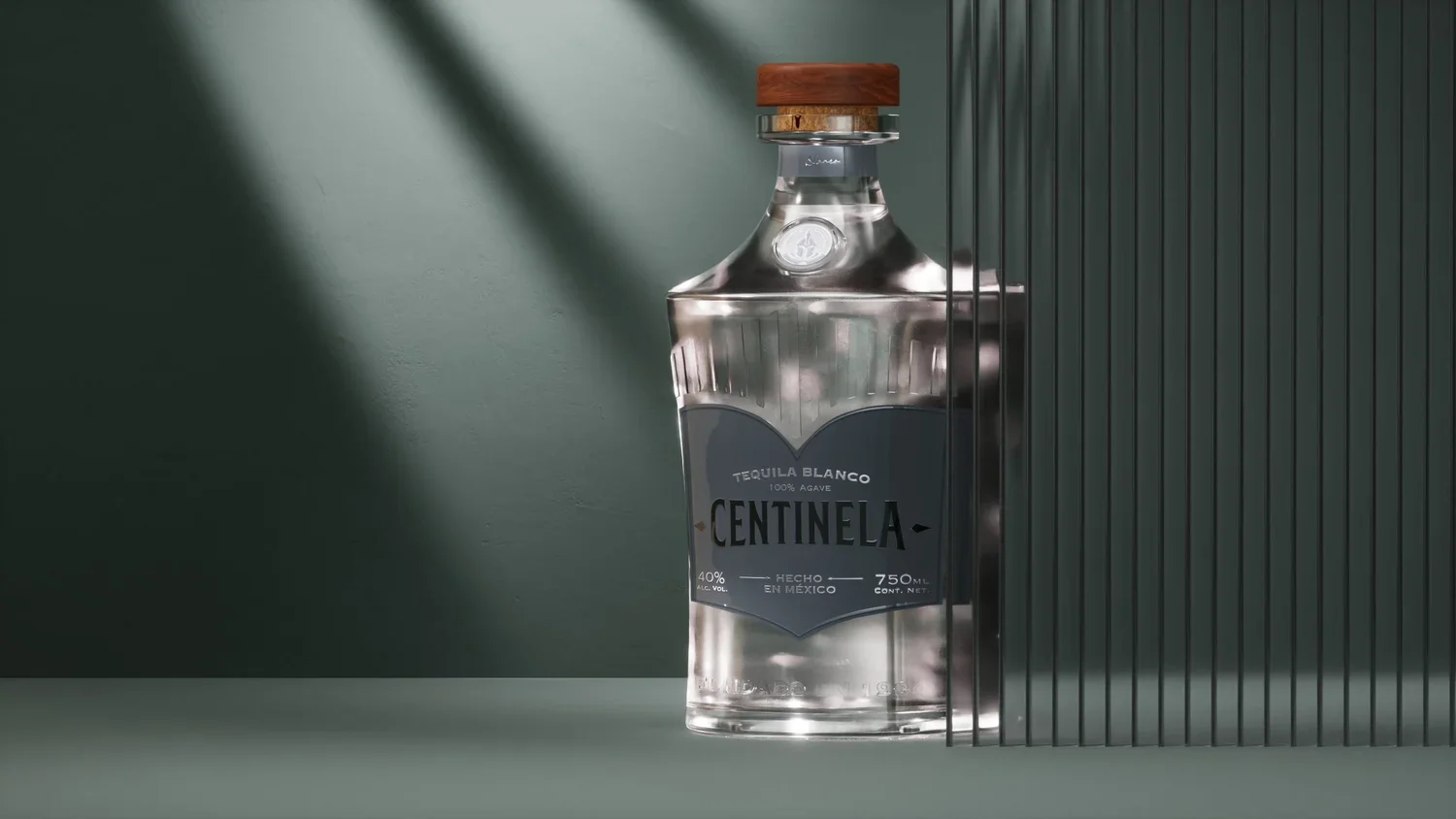
Global brands rarely launch a campaign in only one country.
Packaging changes.
Languages change.
Retail formats change.
Promotions change.
Instead of organizing new photoshoots for every variation, CGI allows marketing teams to update packaging, lighting, backgrounds, or compositions while maintaining perfect visual consistency across every market.
Photorealism Is No Longer The Challenge

Ten years ago, audiences could easily recognize CGI.
Today, physically based materials, realistic lighting, advanced simulations, and cinematic rendering have almost eliminated that gap.
Modern product visualization often becomes indistinguishable from photography—while offering significantly greater creative control.
Photography Still Matters
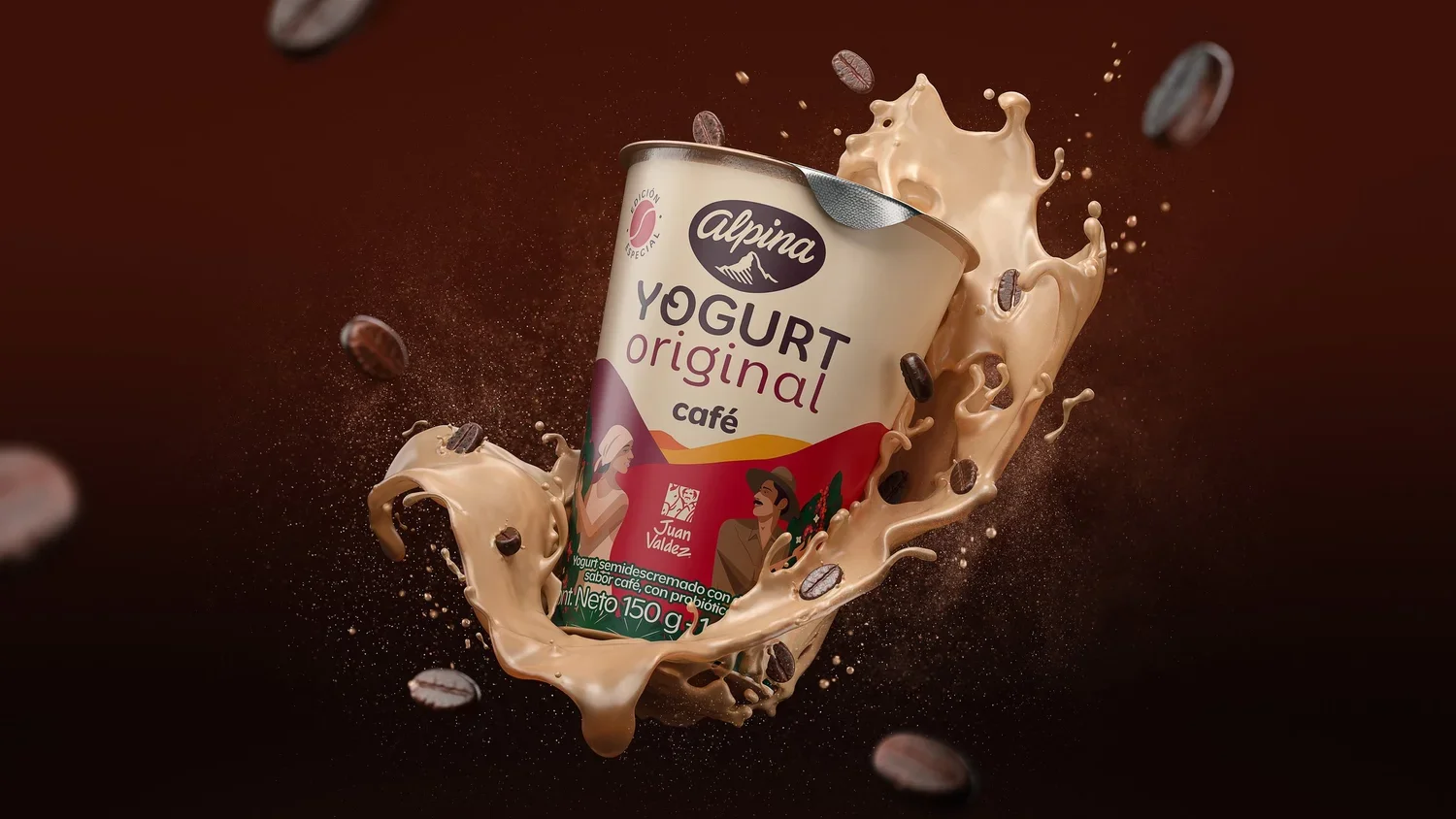
CGI is not replacing photography.
Each technique has its strengths.
Photography excels at capturing people, emotion, and authentic moments.
CGI excels at products, precision, scalability, and impossible visuals.
The strongest commercial campaigns increasingly combine both.
The Future Belongs To Flexible Production
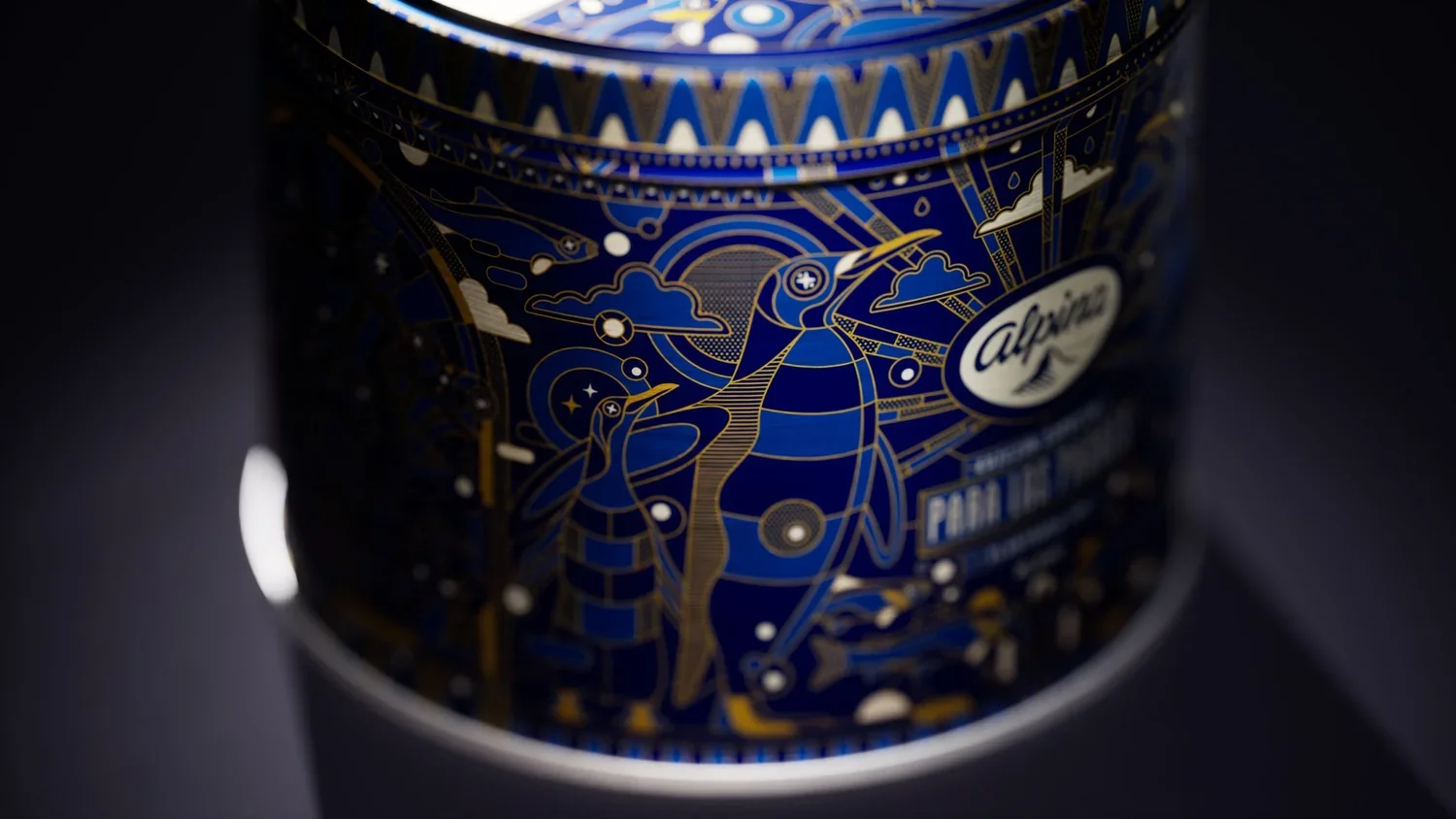
Marketing moves faster than ever.
Campaigns evolve.
Products change.
New formats appear every month.
Brands need visual assets that can evolve just as quickly.
That is why more premium companies are investing in digital products instead of one-time photoshoots.
Conclusion
At Madness Studio, we create photorealistic CGI product visualizations that help premium brands produce flexible, scalable, and visually consistent campaigns across every platform—from retail displays and e-commerce to global advertising and cinematic commercial films.