
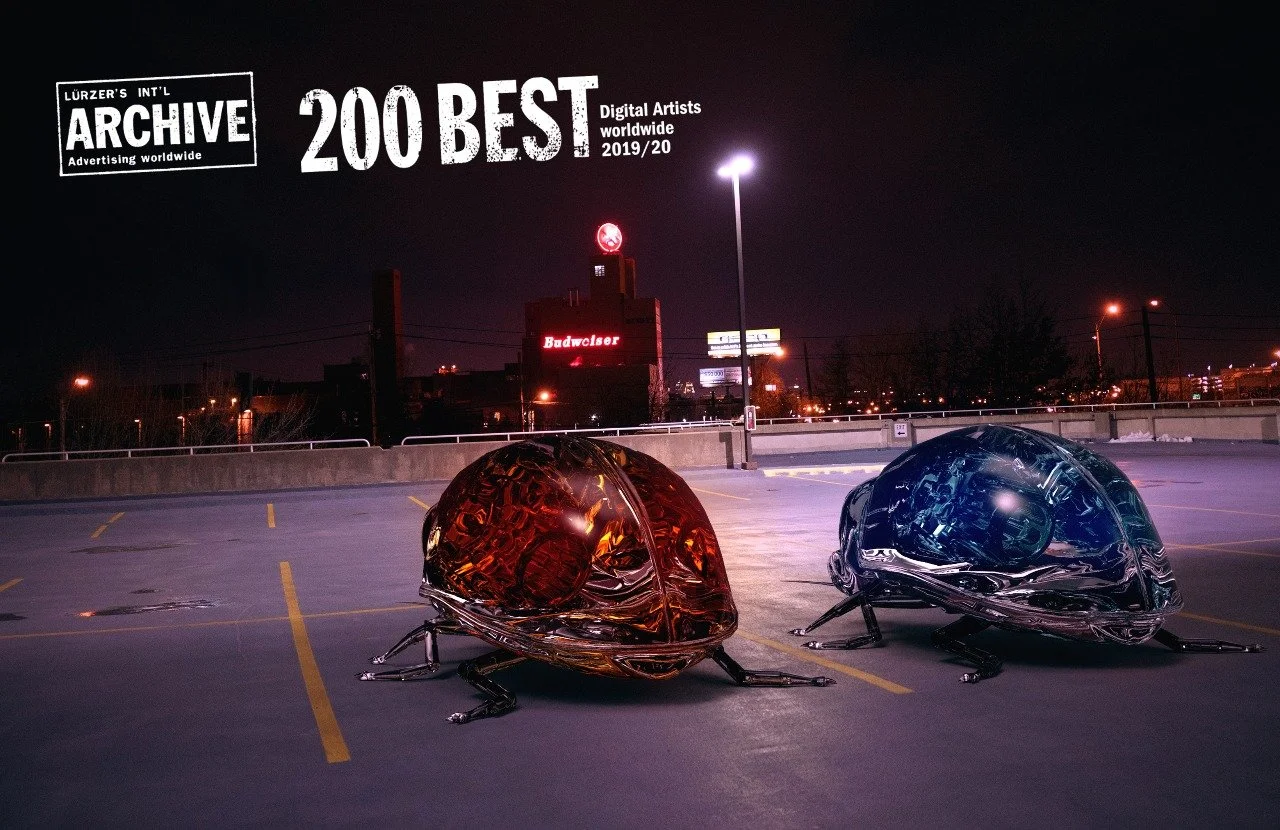
CGI vs Traditional Photography: Which One Is Better For Product Advertising?
CGI vs Traditional Photography: Which One Is Better For Product Advertising?
For decades, product photography has been the standard for advertising.
Need a new campaign?
Book a studio.
Hire a photographer.
Ship the products.
Build the set.
Schedule the shoot.
Capture the images.
Today, however, brands have another option.
CGI.
The question is no longer whether CGI can replace photography.
The question is when it should.
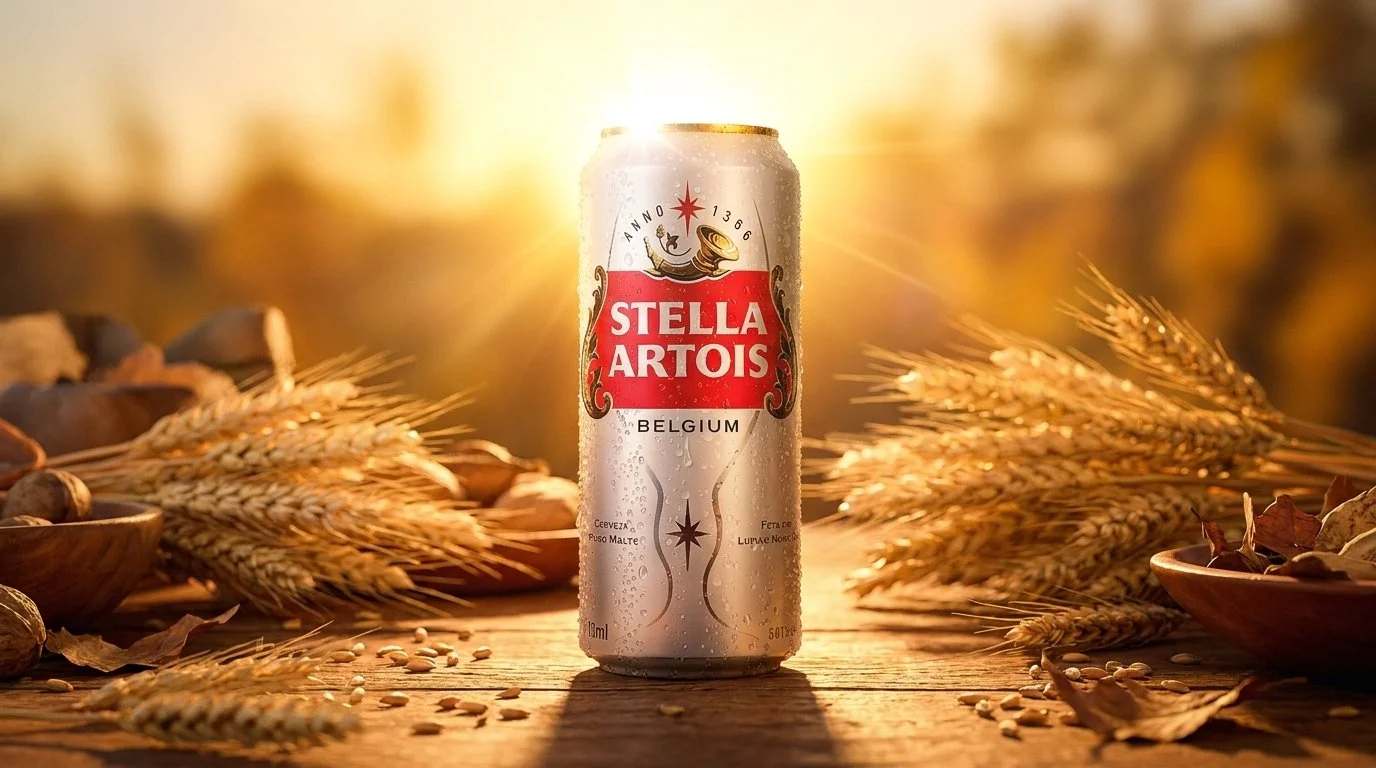
The Traditional Photography Advantage
Photography remains one of the most powerful tools in advertising.
A great photographer can capture emotion, authenticity, and spontaneity in ways that feel natural and immediate.
For lifestyle campaigns, fashion editorials, documentary-style content, and projects involving people, photography is often the best solution.
When real human interaction is the story, a camera still has a unique advantage.
But product advertising follows a different set of rules.
The Hidden Challenges of Product Photography
Most consumers only see the final image.
They rarely see what happens behind it.
A typical product shoot may require:
Product shipping and logistics
Studio rental
Photographers
Retouchers
Food stylists
Product stylists
Art directors
Set construction
Multiple shoot days
And if the product changes after the shoot?
The process often starts again.
New packaging.
New flavors.
New labels.
New campaign.
New production.
For brands with large product portfolios, this quickly becomes expensive and difficult to scale.
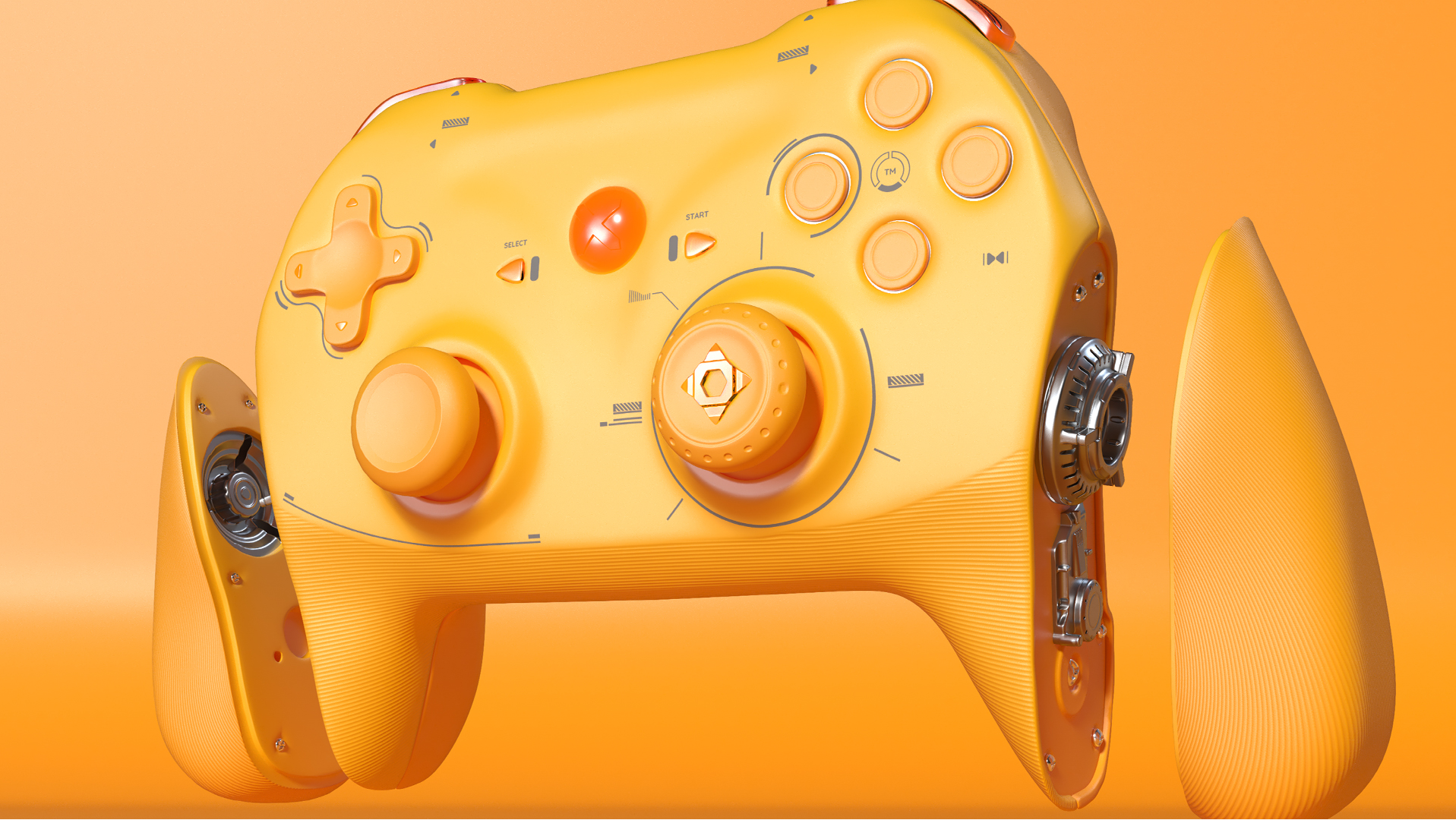
DIGITAL TWIN OF A REAL PRODUCT IN THE MARKET
What CGI Changes
CGI offers something that traditional photography cannot: complete control.
Instead of capturing a product at a single moment in time, brands create a digital asset that can evolve alongside the business.
Packaging changes.
New flavors are introduced.
New markets require localization.
Campaigns expand into animation, social media, e-commerce, and retail.
The same asset can adapt without requiring a new photoshoot every time.
Unlike many AI-generated workflows, CGI also provides a highly controlled production environment where ownership, consistency, asset management, and approval processes remain predictable—an important consideration for global brands and regulated industries.
For many product categories, CGI has become less of a visual effect and more of a long-term business asset.
Consistency at Scale
One of the biggest advantages of CGI is control.
Every reflection.
Every shadow.
Every texture.
Every drop of liquid.
Every camera angle.
Can be adjusted with precision.
This becomes especially valuable for brands managing large product portfolios across multiple countries, formats, and campaigns.
The larger the product ecosystem becomes, the more valuable consistency becomes.
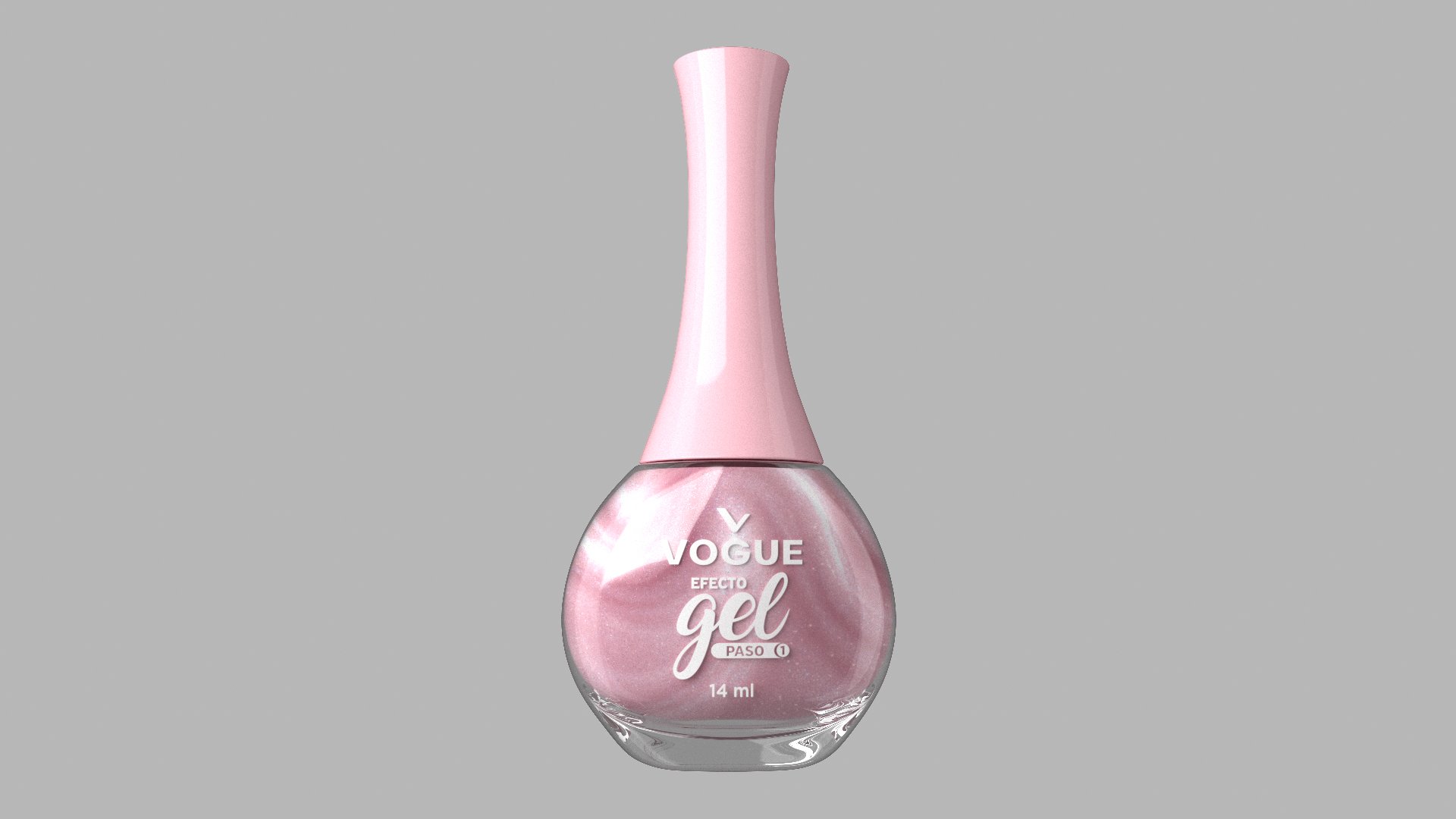
DIGITAL TWIN OF A REAL PRODUCT IN THE MARKET
The Future Is Hybrid
The conversation is no longer CGI versus photography.
Nor is it AI versus CGI.
Each tool solves a different problem.
Photography brings authenticity, emotion, and human connection.
CGI provides control, scalability, consistency, and long-term asset value.
AI introduces speed, exploration, and new creative possibilities, but may also require additional consideration around copyright, ownership, exclusivity, and brand protection.
The most successful brands are no longer asking which technology will replace another.
They are asking which combination of tools best serves the idea.
Because great advertising has never been about technology.
It has always been about solving the right problem in the right way.
So Which One Is Better?
The answer depends on the objective.
If the goal is authentic human interaction, photography often remains the strongest solution.
If the goal is product control, scalability, consistency, flexibility, and long-term asset creation, CGI offers advantages that traditional photography simply cannot match.
The question is not whether one is better than the other.
The question is which one solves the problem more effectively.
The Future of Product Advertising
As brands continue to produce more content across more platforms than ever before, the demand for scalable visual assets will only increase.
Photography will remain essential.
CGI will continue to grow.
And the most successful brands will be the ones that understand how to combine both.
Because great advertising is rarely about the tool.
It is about choosing the right solution for the challenge.
Technology is a tool.
Great ideas are the destination.