
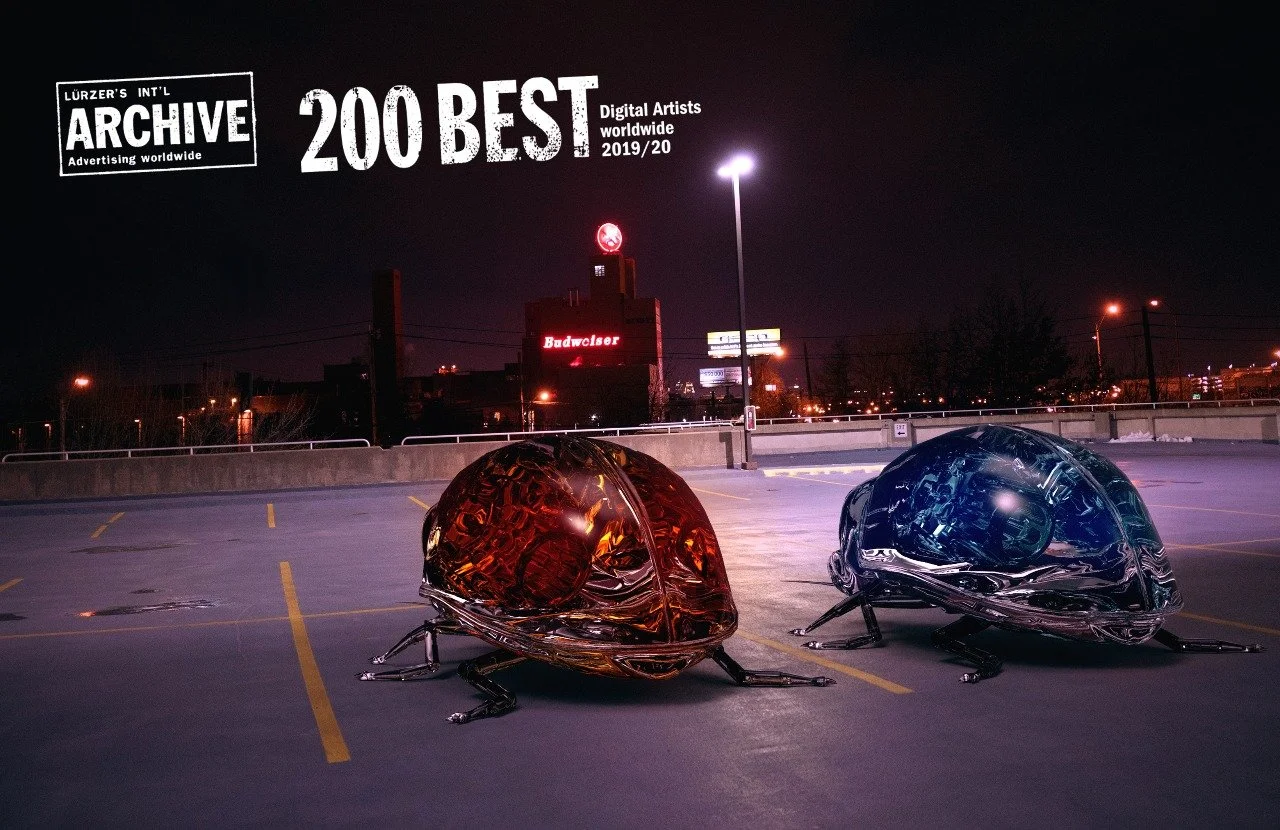
The Most Interesting Thing About AI Isn't Efficiency
The Most Interesting Thing About AI Isn't Efficiency
A few years ago, the conversation around artificial intelligence sounded dramatic.
AI would replace artists.
AI would replace filmmakers.
AI would replace designers.
AI would replace photographers.
AI would replace entire creative teams.
The reality has turned out to be far more interesting.
People were not replaced.
Their jobs changed.
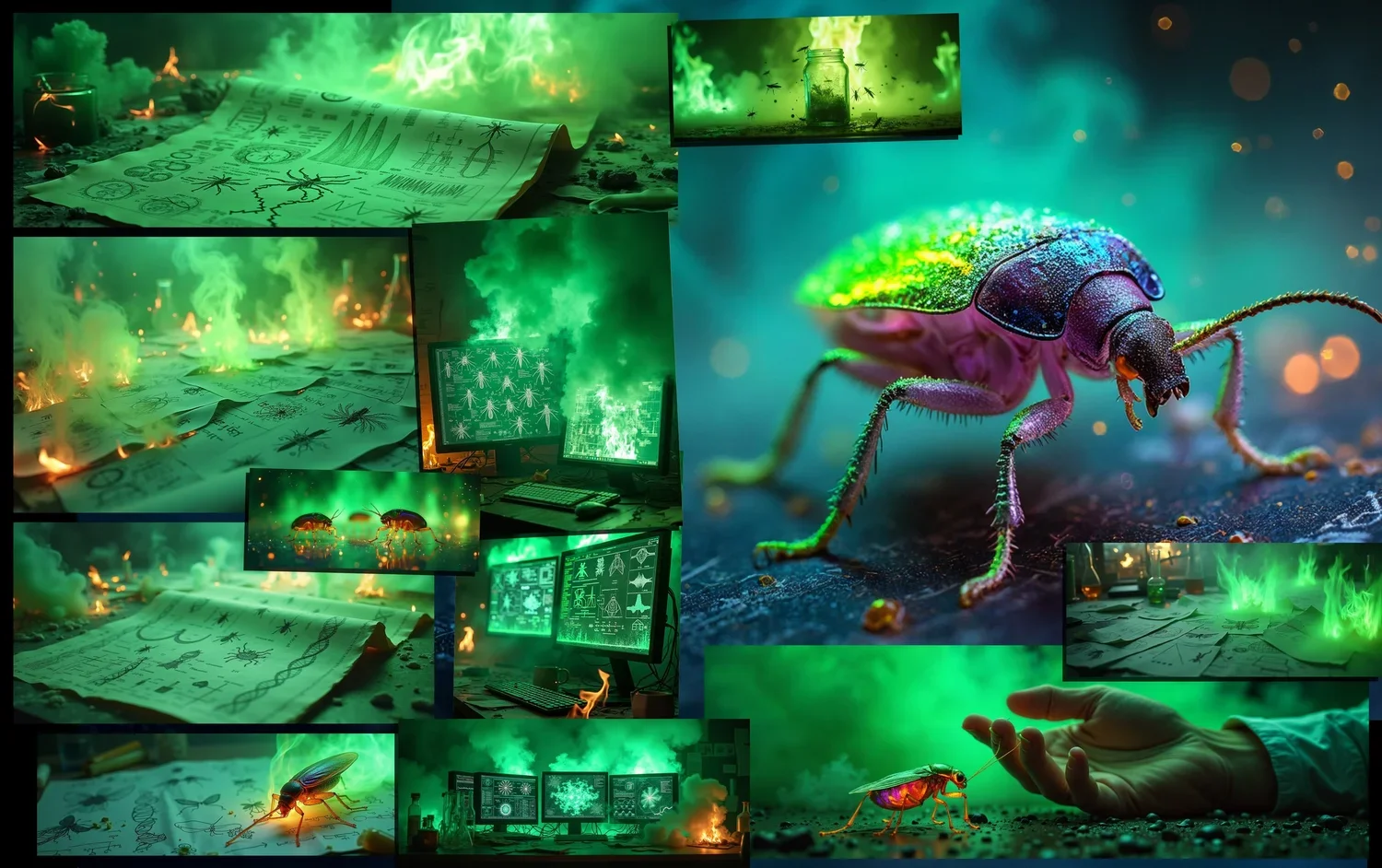
Every Creative Revolution Looks Similar
This isn't the first time the creative industry has experienced technological disruption.
Photography changed illustration.
Digital cameras changed photography.
CGI changed visual effects.
Desktop publishing changed graphic design.
Each technological leap created fear.
Each technological leap also created new opportunities.
Artificial intelligence is simply the latest chapter in a much longer story.
The tools change.
The creative process adapts.
The people remain.
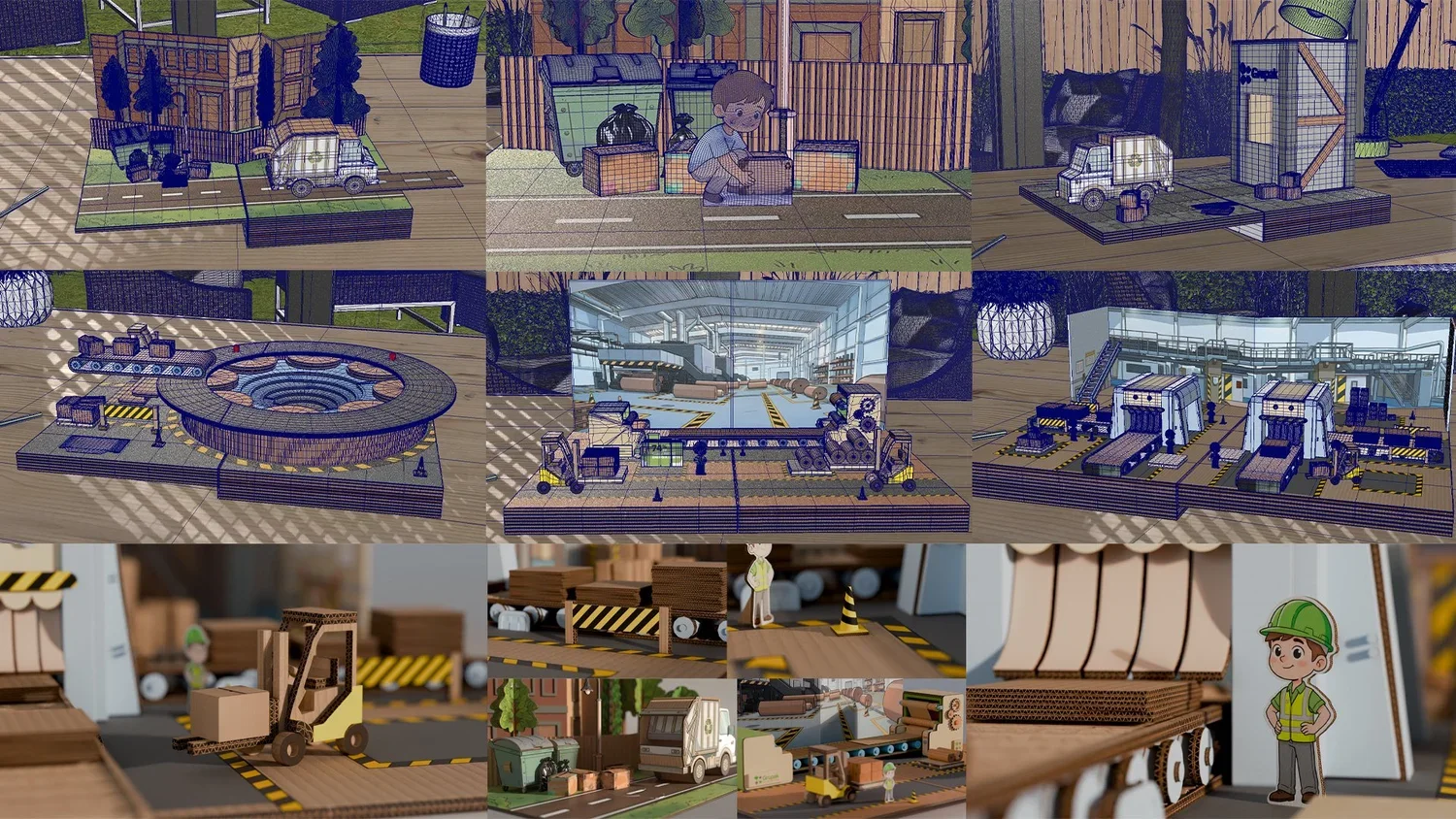
AI Reduced Some Tasks. It Created Others.
One of the biggest misconceptions about AI is the belief that it removes the need for human involvement.
In reality, it often shifts where human value is created.
Many production tasks have become faster.
But new responsibilities have emerged.
Today, creative teams spend more time:
Defining concepts
Curating outputs
Building visual systems
Maintaining consistency
Directing AI workflows
Evaluating quality
Protecting brand identity
The work has not disappeared.
It has evolved.
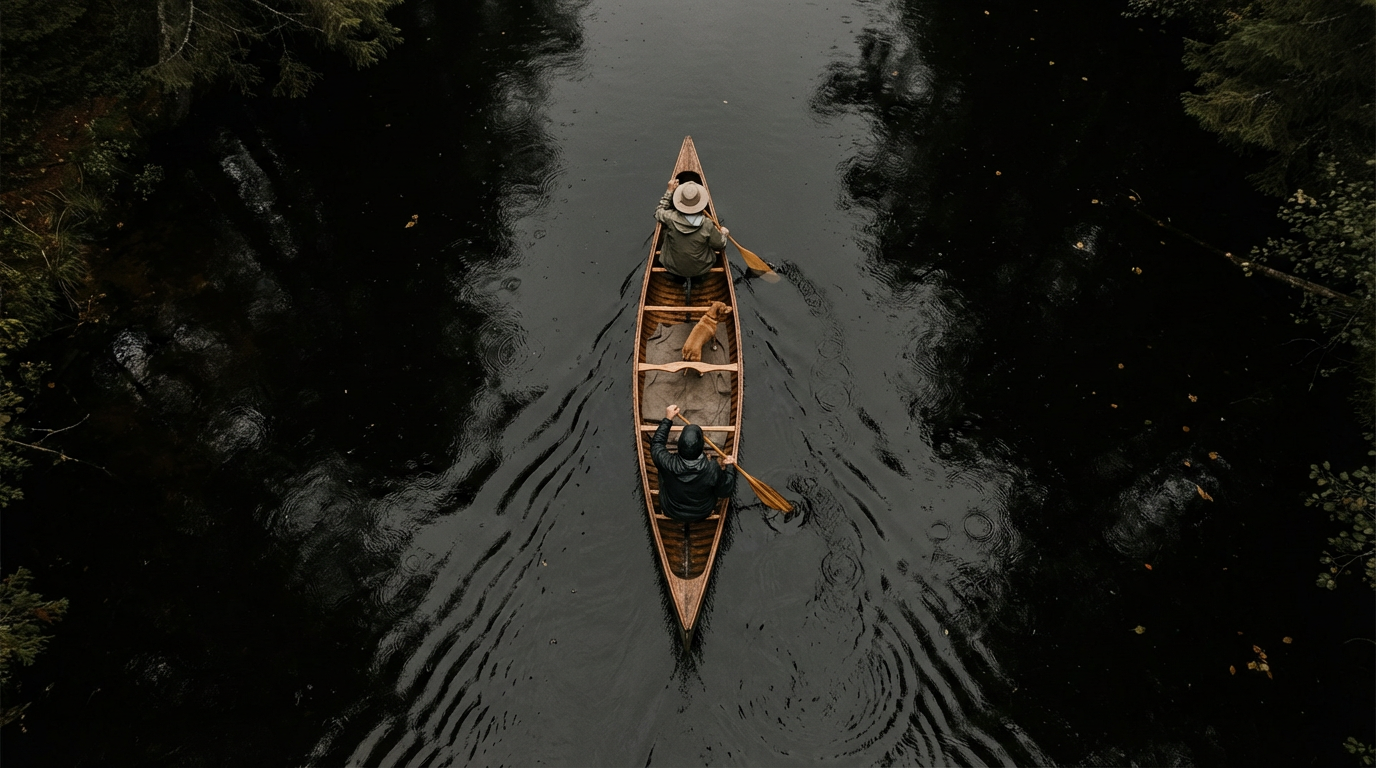
The Rise of Creative Judgment
As AI tools become increasingly accessible, technical execution is becoming less of a competitive advantage.
Judgment is becoming more valuable.
When thousands of images can be generated in minutes, the challenge is no longer creating options.
The challenge is choosing the right one.
Taste.
Experience.
Storytelling.
Creative direction.
These skills are becoming more important, not less.
The ability to make decisions is becoming more valuable than the ability to generate content.
Why Some Teams Are Returning To Traditional Production
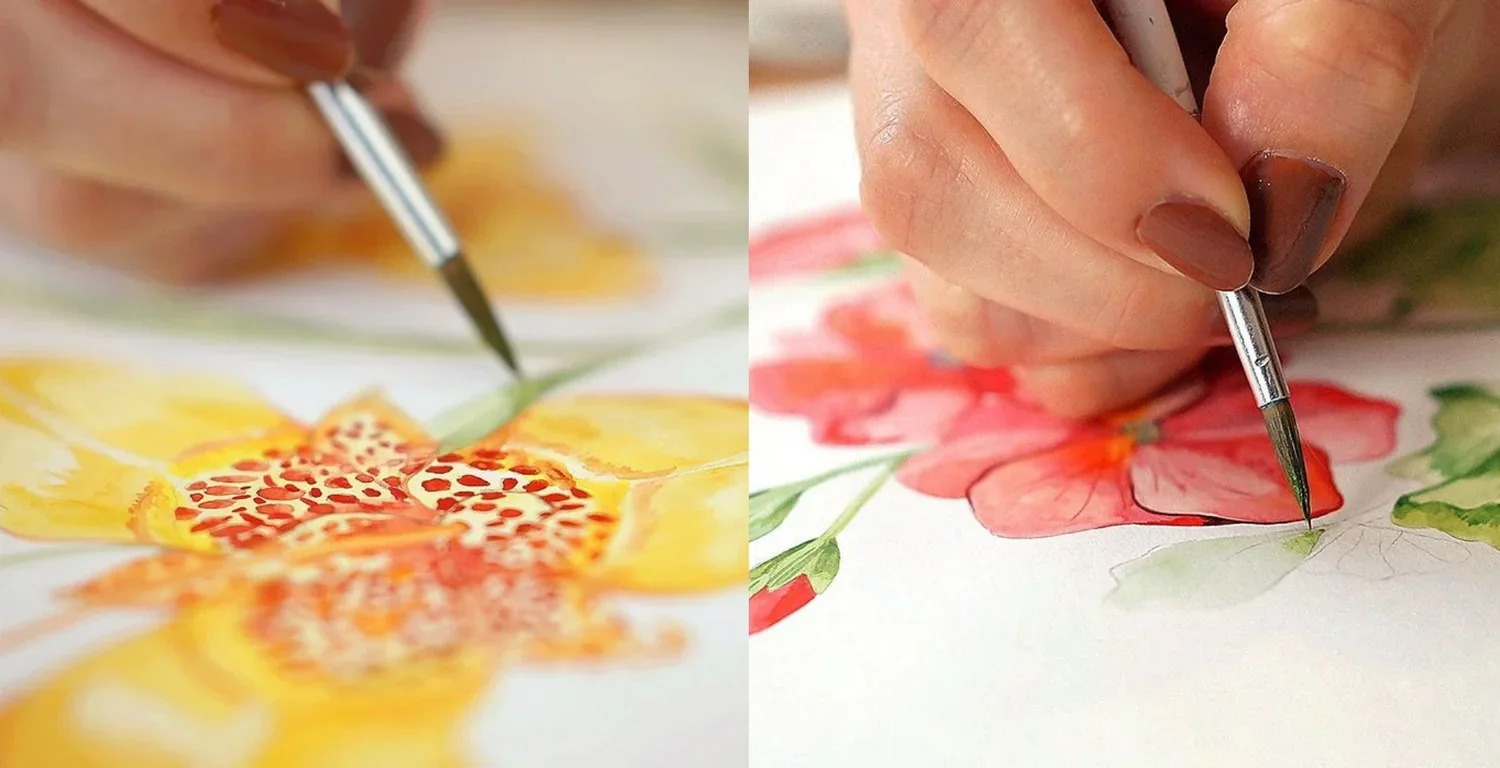
Interestingly, some companies have discovered that AI is not always the fastest or cheapest solution.
Generating content is easy.
Managing production quality is harder.
Complex projects often require:
Multiple rounds of generation
Extensive revisions
Consistency checks
Brand approvals
Legal reviews
Copyright considerations
In some cases, traditional production remains the more efficient choice.
Not because AI failed.
Because every tool has strengths and limitations.
The smartest teams are learning when to use AI and when not to.
The Future Is Not AI Versus Humans
The future is not a battle between technology and creativity.
It is a collaboration between them.
AI excels at speed.
Humans excel at meaning.
AI can generate possibilities.
People create purpose.
The strongest projects combine both.
What We Have Learned
At Madness Studio, we use AI every day.
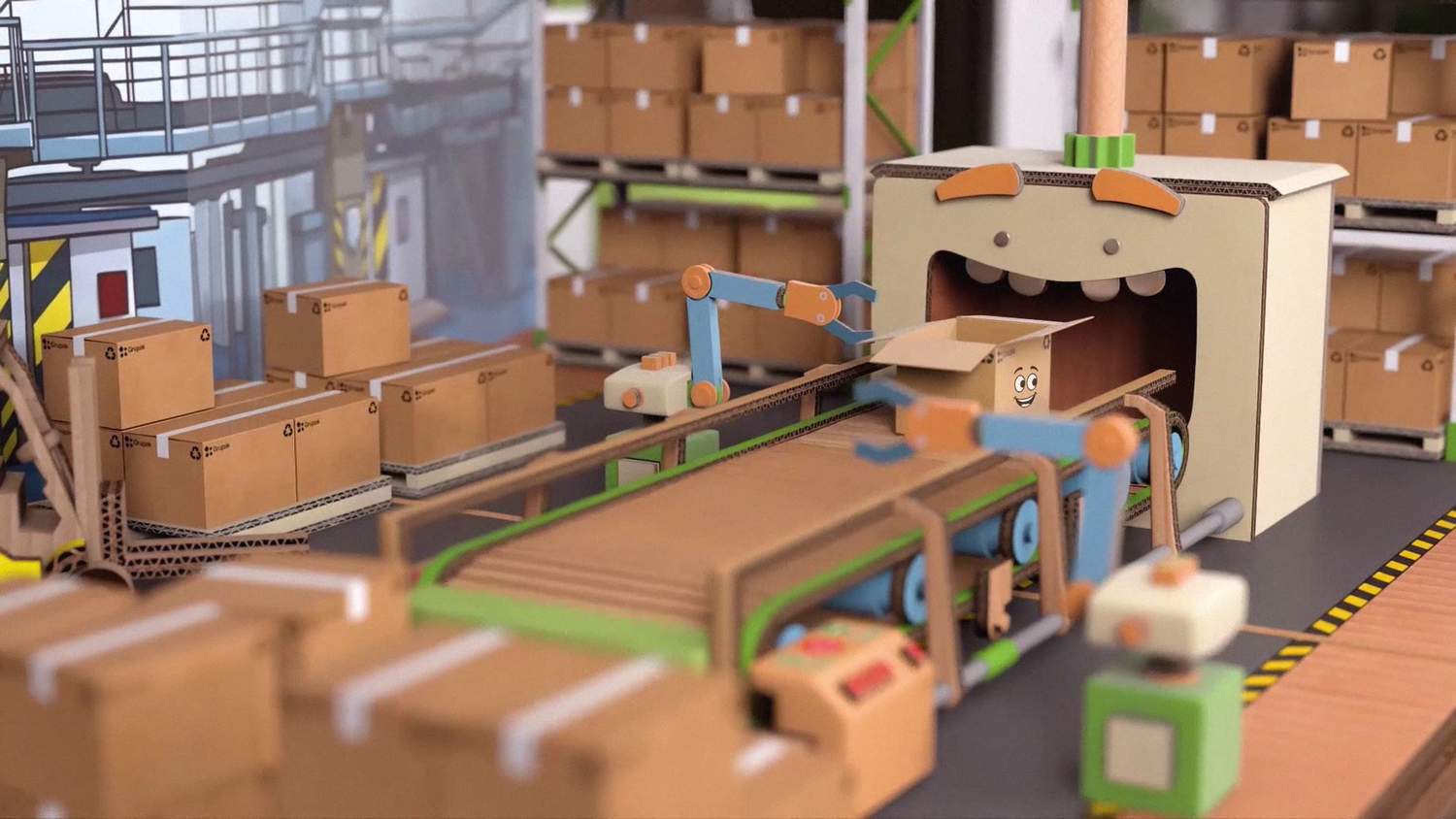
We also use CGI.
Design.
Animation.
Filmmaking.
Photography.
Creative strategy.
The question is never:
"How much AI can we use?"
The question is:
"What is the best tool for solving this problem?"
Sometimes the answer is AI.
Sometimes it is CGI.
Sometimes it is photography.
Sometimes it is illustration
Often it is a combination of all four.
Because the goal has never been technology.
The goal has always been the idea.
A New Kind of Opportunity
Artificial intelligence is changing creative industries in profound ways.
Some roles are evolving.
Some tasks are disappearing.
And new opportunities are emerging.
That reality can be uncomfortable, but it is also difficult to ignore.
Perhaps the most interesting aspect of AI is not efficiency.
It is possibility.
Throughout history, new technologies have allowed creators to pursue projects that were previously impossible because of time, budget, or technical limitations.
AI is beginning to do the same.
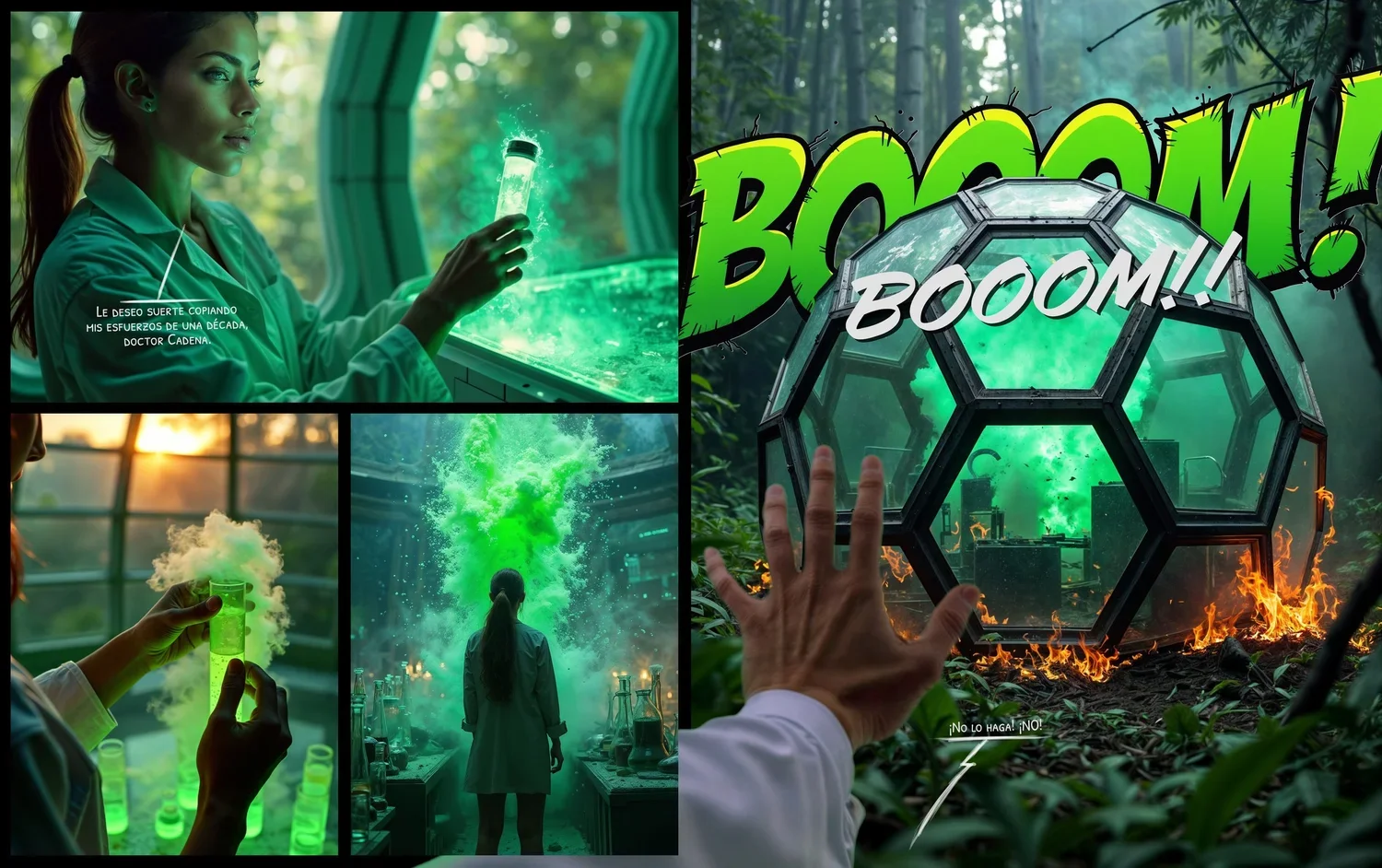
In my own case, it made possible the creation of one of Latin America's first AI-generated graphic novels — a project involving more than 50,000 images that would have required years of work using traditional methods alone.
Today, the same technology is opening doors to projects I would have never seriously considered before, including independent game development and entirely new forms of visual storytelling.
The most exciting opportunities are not always about doing the same work faster.
Sometimes they are about doing work that was never possible in the first place.
Technology changes.
Creative people adapt.
And every generation eventually discovers new things worth building.