
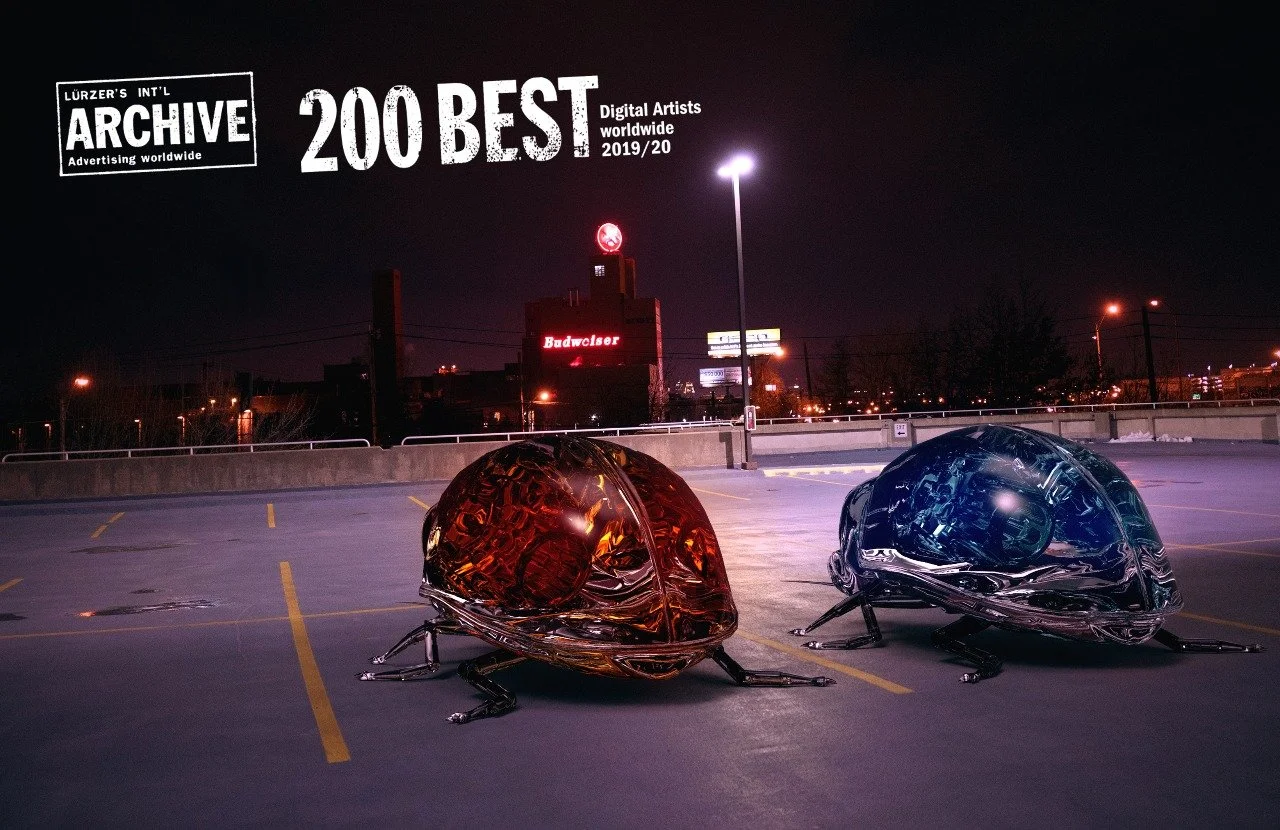
Why The Best Campaigns Start With A Metaphor
Why The Best Campaigns Start With A Metaphor
Most marketing messages are forgotten.
Not because they are wrong.
Because they are literal.
Brands often try to communicate features, benefits, statistics, and rational arguments. The information may be accurate, but accuracy alone is rarely memorable.
The campaigns people remember tend to work differently.
They begin with a metaphor.
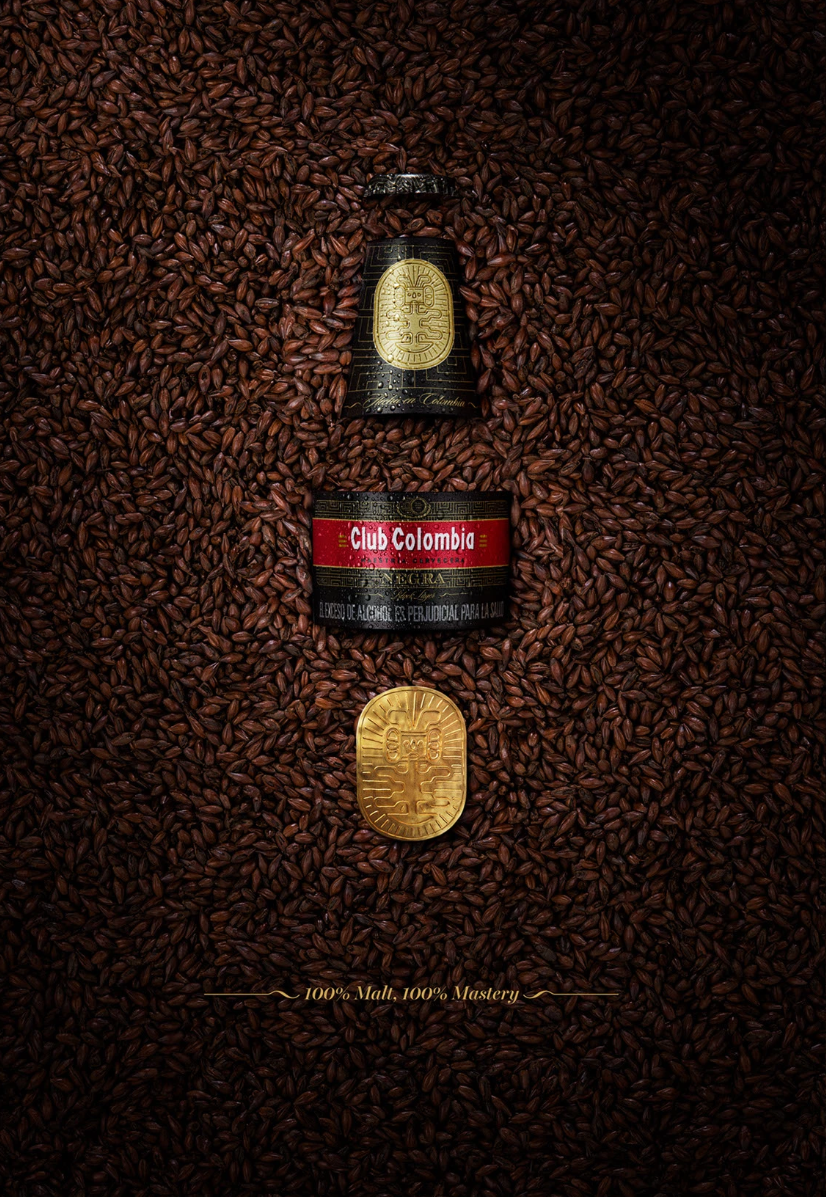
Facts Inform. Metaphors Stick.
Imagine trying to explain vehicle safety regulations through a list of technical specifications.
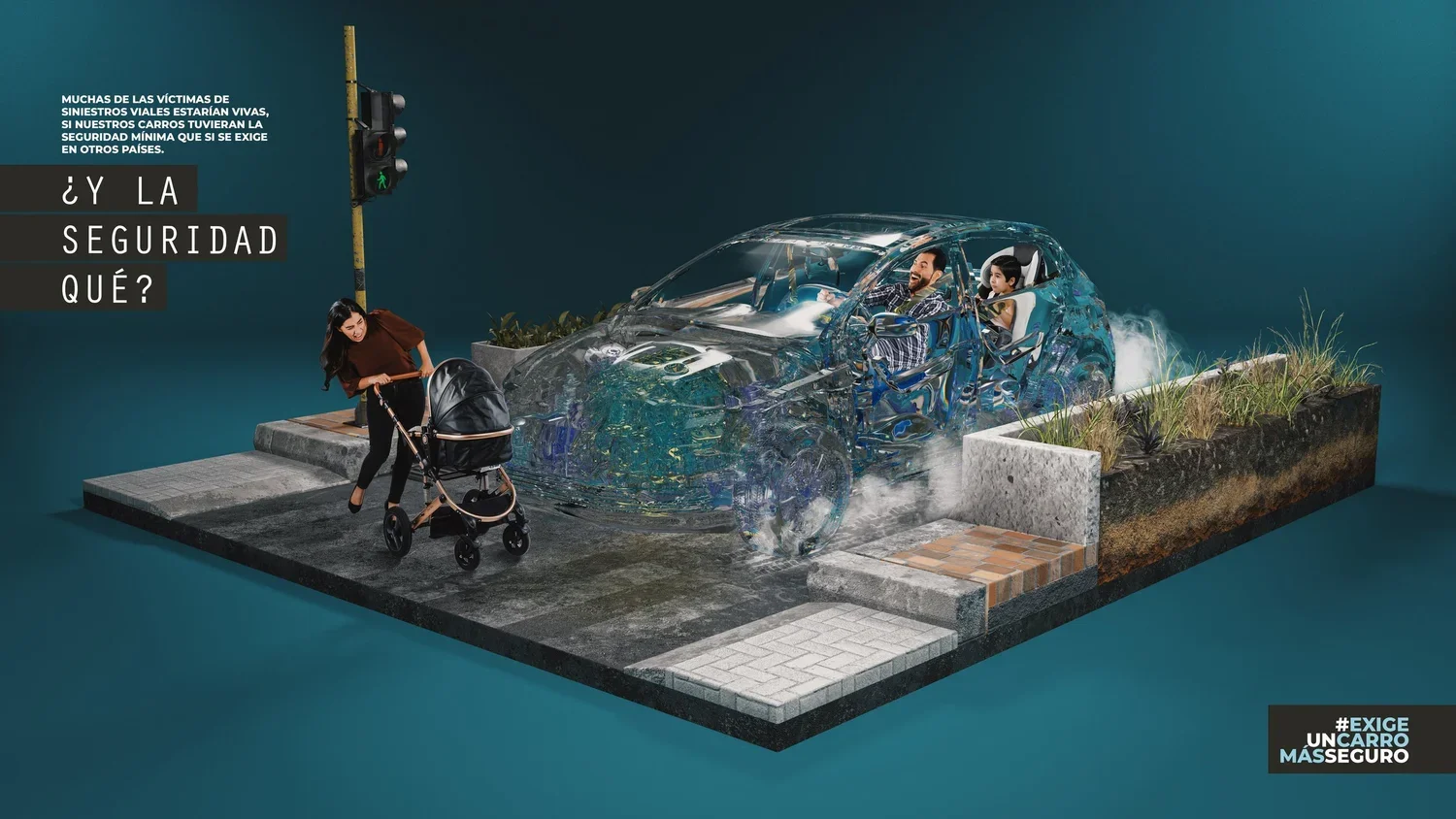
Now imagine showing a car made of glass.
Both communicate the same idea.
Only one is likely to be remembered years later.
Facts help people understand.
Metaphors help people feel.
And people rarely remember information without emotion attached to it.
Why Humans Think In Metaphors
Metaphors are not simply creative devices.
They are part of how humans naturally understand the world.
We use familiar concepts to explain unfamiliar ones.
We turn abstract ideas into tangible images.
We simplify complexity through association.
Good advertising does exactly the same thing.
The goal is not to make audiences think harder.
The goal is to make understanding effortless.

Complex Ideas Need Simple Images
Many of the strongest campaigns are built around surprisingly simple visual ideas.
A fragile vehicle becomes a car made of glass.
A cultural celebration is seen through different eyes.
A product becomes a work of art.
A country emerges from the ocean before becoming a global hub.
The complexity remains.
The communication becomes simpler.
The metaphor becomes a shortcut between the idea and the audience.

Technology Doesn't Create Meaning
One of the most common mistakes in modern production is focusing on execution before meaning.
Teams discuss software.
Production techniques.
Visual effects.
Artificial intelligence.
Cameras.
Workflows.
But audiences rarely remember how something was created.
They remember what it meant.
The strongest campaigns are not remembered because they used CGI.
Or photography.
Or AI.
They are remembered because they communicated something people immediately understood.
Technology helps execute ideas.
Metaphors help communicate them.
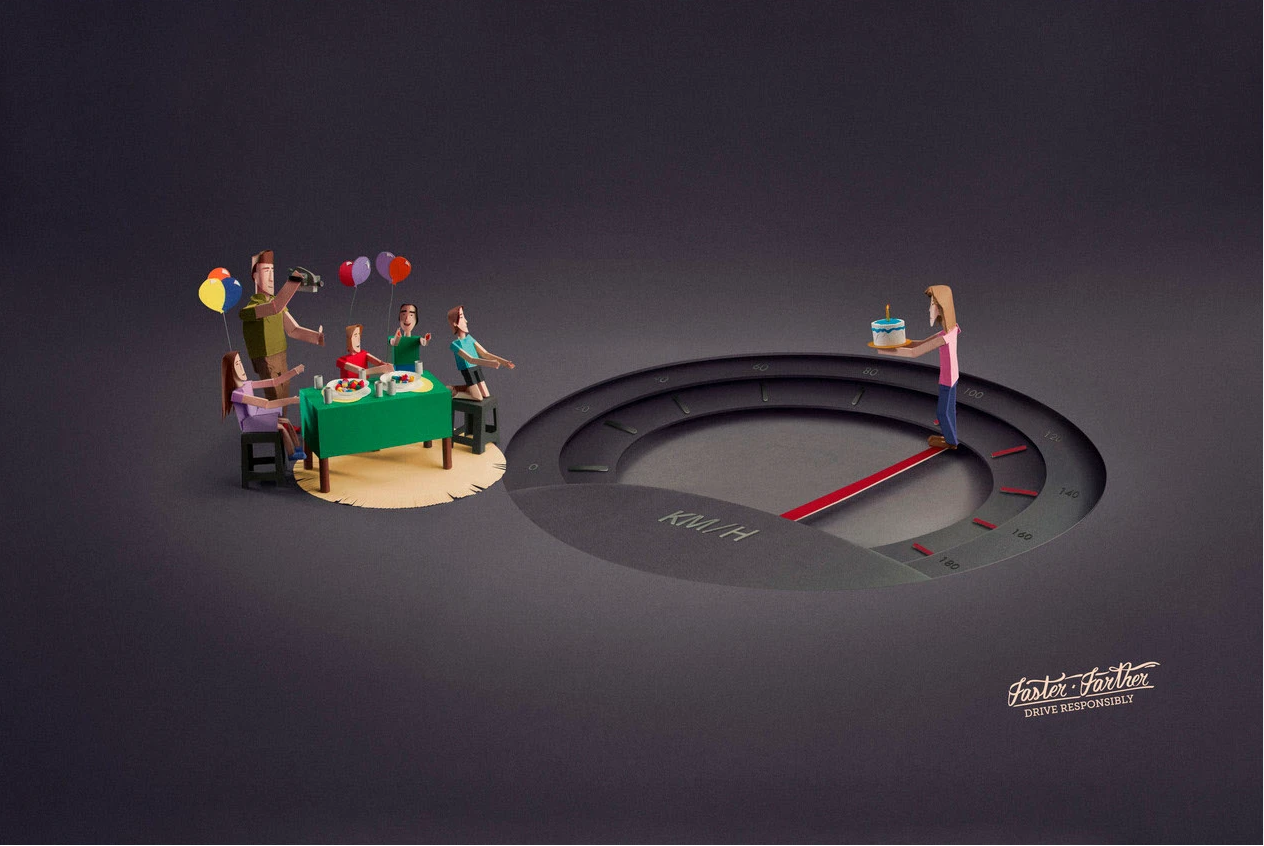
The Best Ideas Can Survive Any Medium
A strong metaphor is remarkably resilient.
It can work as a photograph.
An illustration.
A film.
An animation.
A CGI campaign.
An AI-generated piece.
The medium may change.
The idea remains.
This is often a useful test.
If the concept only works because of a specific technology, it may not be a strong idea.
If it works regardless of the medium, it probably is.
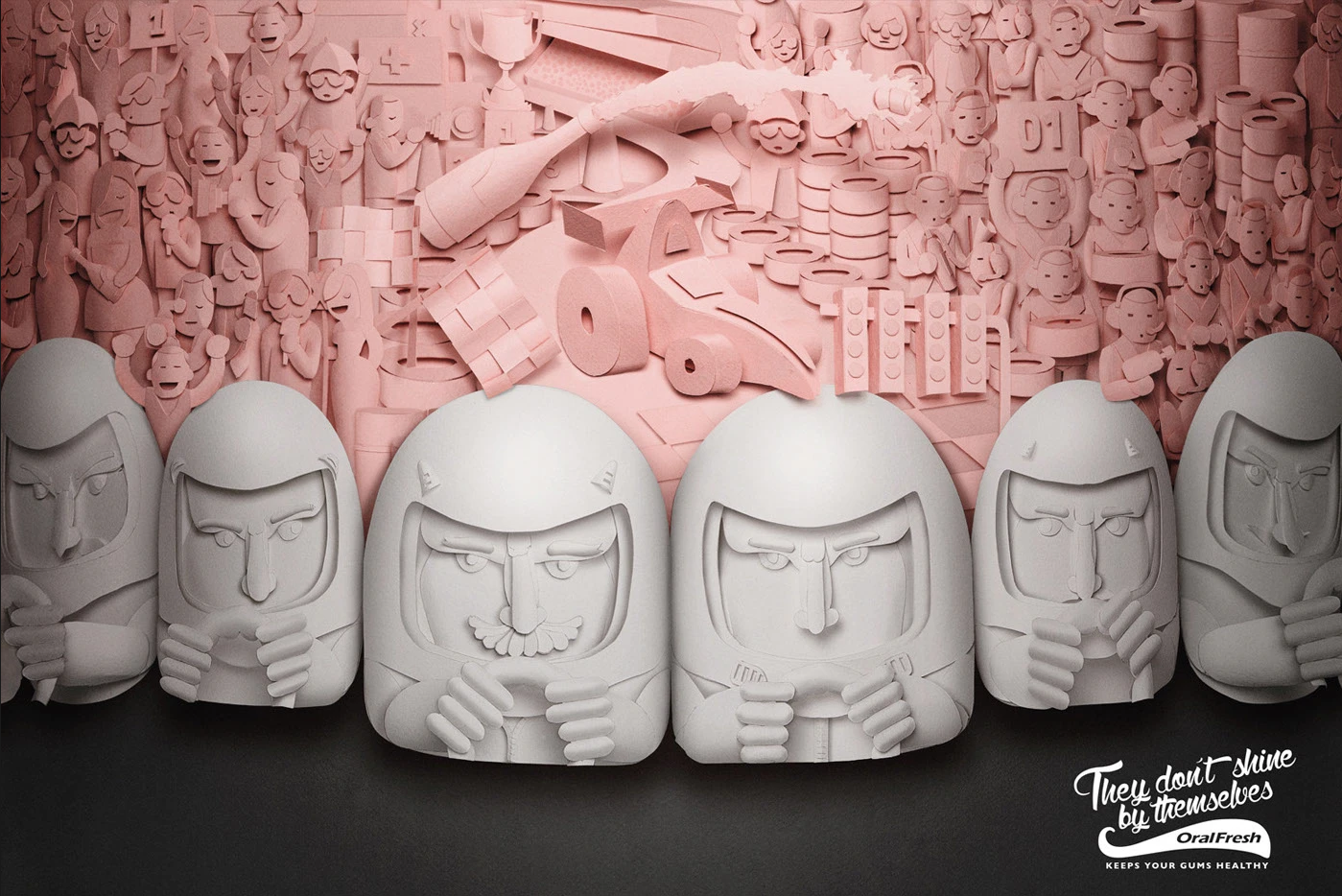
Why Metaphors Matter More Than Ever
Today's audiences consume more content than ever before.
Attention is fragmented.
Messages compete against thousands of others every day.
In that environment, clarity becomes a competitive advantage.
The best campaigns are not necessarily the most complex.
They are often the easiest to understand.
A good metaphor can communicate an idea in seconds.
Sometimes faster than a paragraph.
Sometimes faster than a film.
Sometimes faster than an entire campaign brief.
The Real Job of Creativity
Creativity is often mistaken for originality.
But the real challenge is communication.
The best creative ideas do not make people work harder.
They make understanding easier.
That is why the most memorable campaigns rarely begin with a software package, a production technique, or a visual effect.
They begin with a simple question:
What is the clearest way to make people understand this idea?
More often than not, the answer is a metaphor.
Because people may forget the details.
They rarely forget the image.