
The Day We Generated 50,000 Images To Create A Graphic Novel
The Day We Generated 50,000 Images To Create A Graphic Novel
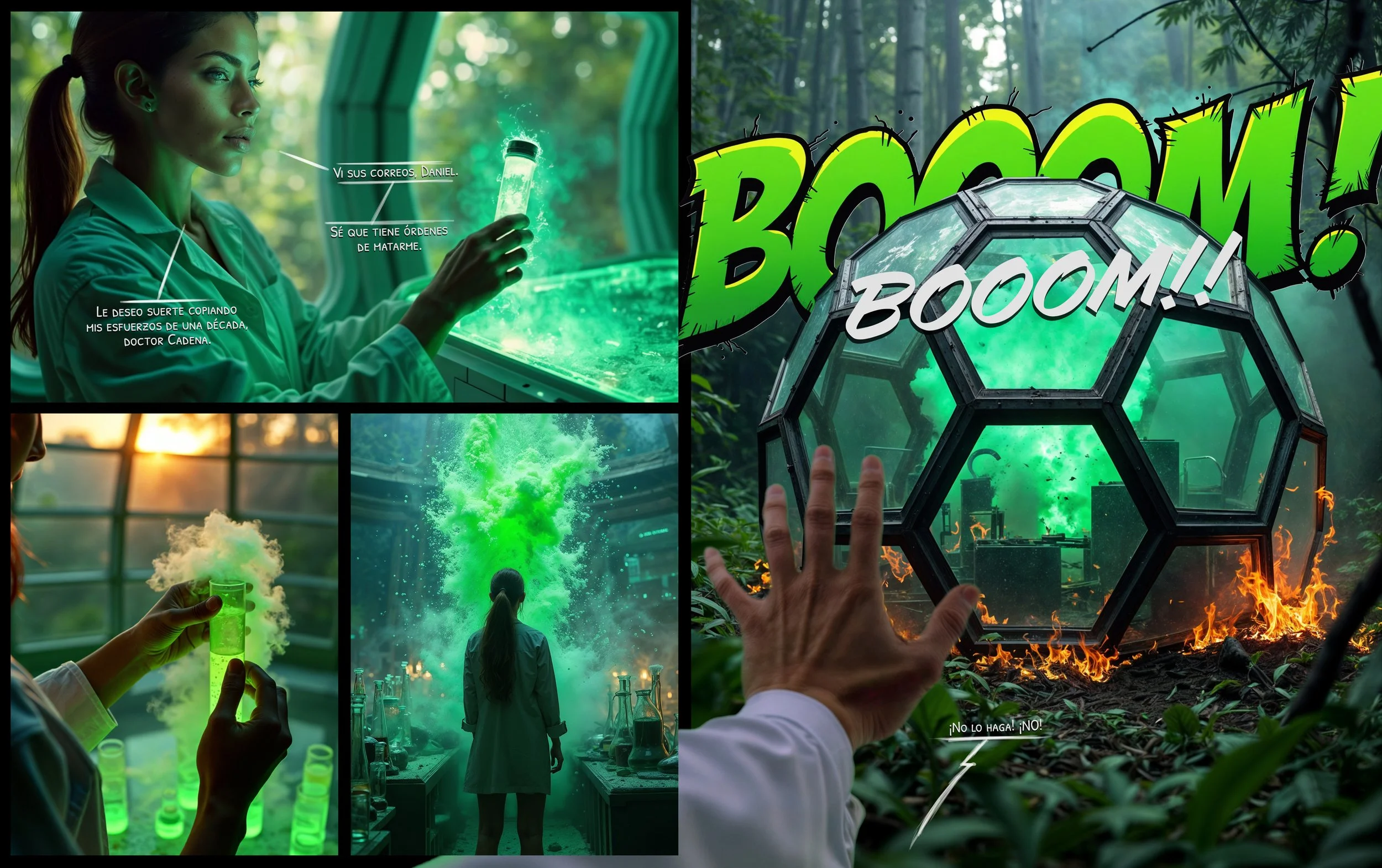
Pages from Rampant Rebirth, one of Latin America's earliest AI-generated graphic novels. More than 50,000 images were created during its development.
The title of this article is technically inaccurate.
We did generate more than 50,000 images to create a graphic novel.
But it certainly did not happen in a day.
In fact, it took more than a year.
When I first started the project, I believed it would take two or three months.
I was wrong.
Very wrong.
What began as an experiment eventually became one of Latin America's earliest AI-generated graphic novels, a project that challenged nearly every assumption I had about creativity, technology, publishing, and storytelling.
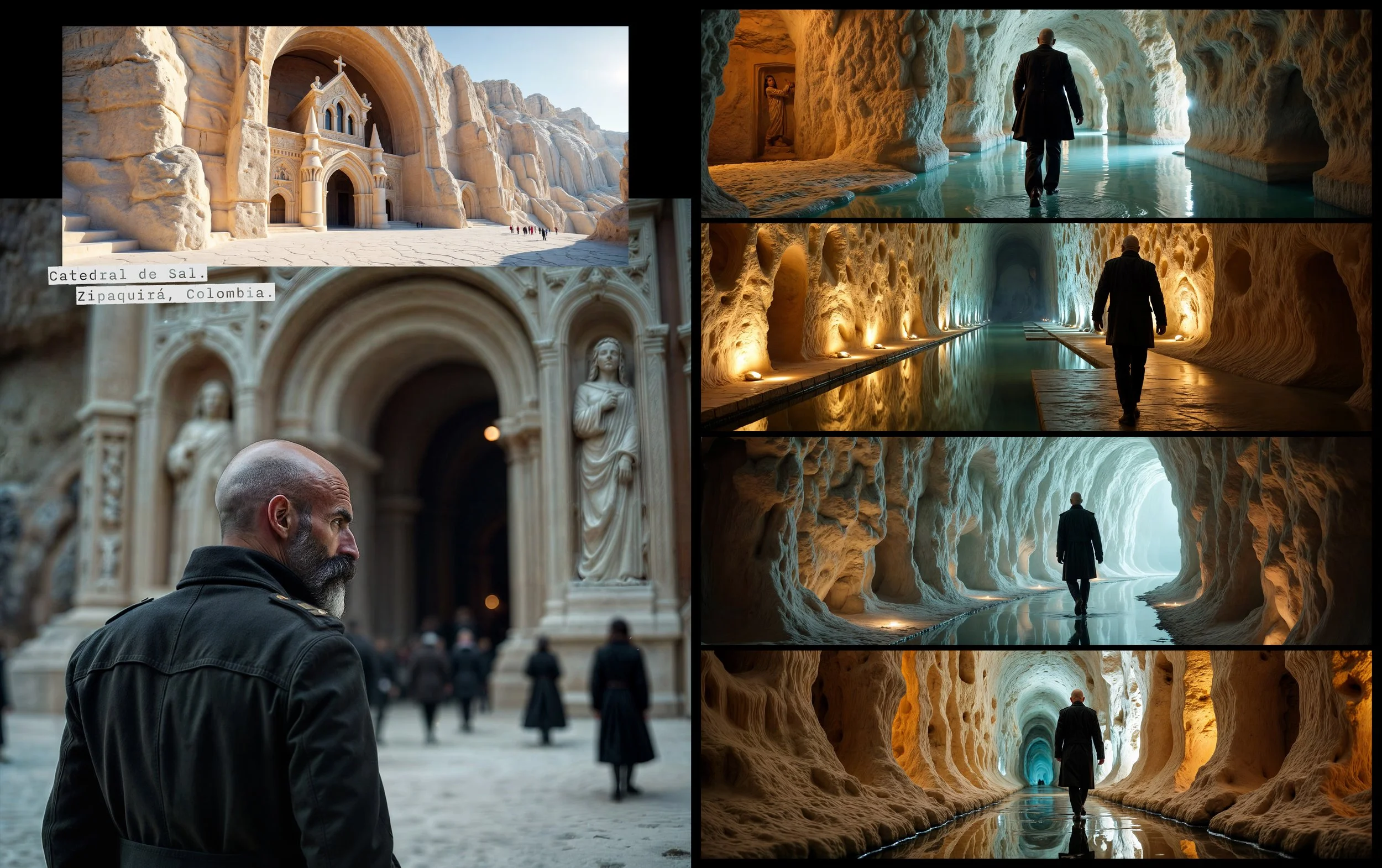
Pages from Rampant Rebirth, one of Latin America's earliest AI-generated graphic novels. More than 50,000 images were created during its development.
The Idea Seemed Simple
At least at first.
Artificial intelligence was making rapid progress.
Image generation tools were improving every month.
The creative possibilities felt endless.
Like many people, I wondered:
Could an entire graphic novel be created using AI?
The answer turned out to be yes.
The more complicated question was:
How much work would it actually require?
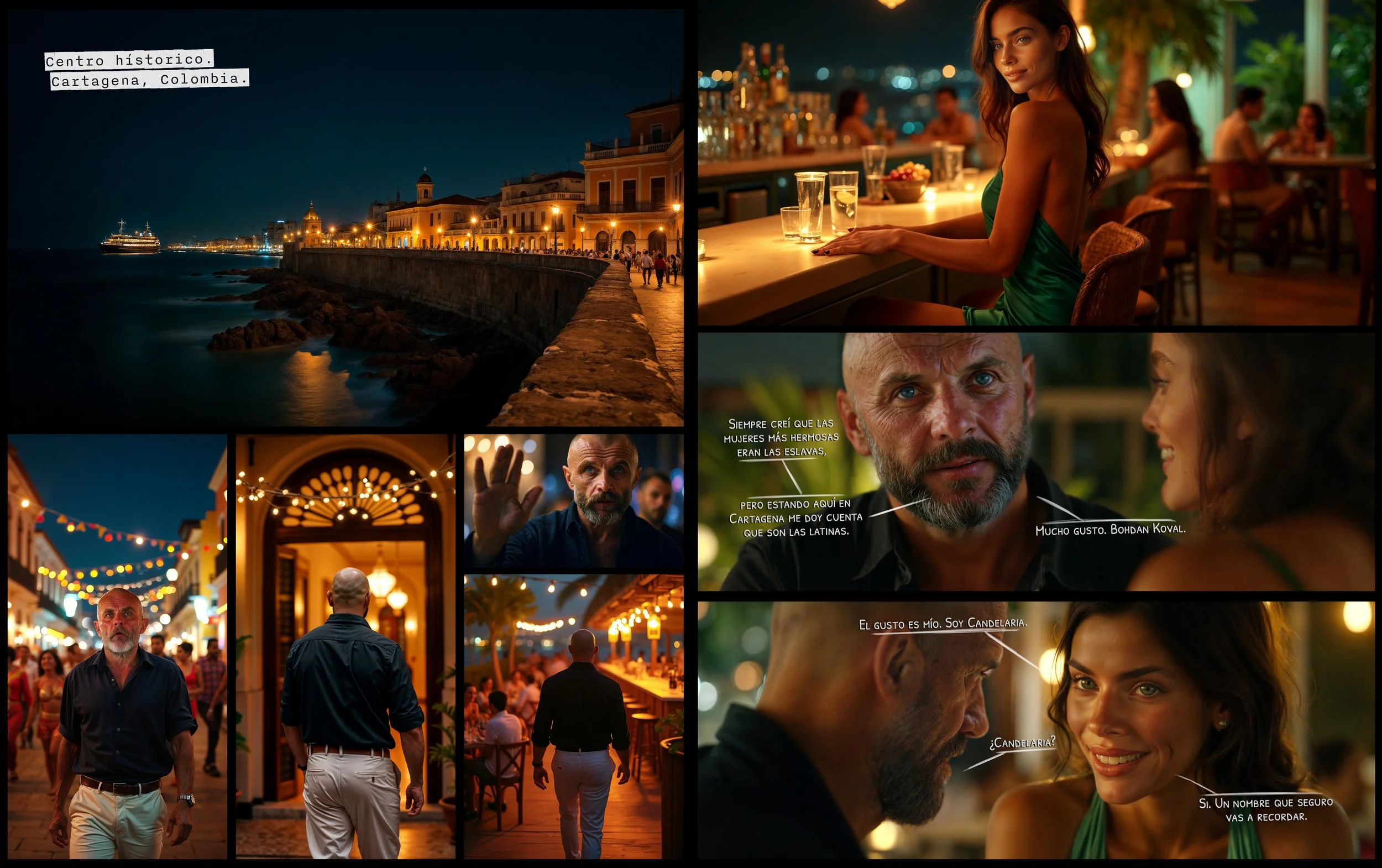
Pages from Rampant Rebirth, one of Latin America's earliest AI-generated graphic novels. More than 50,000 images were created during its development.
The Myth Of Instant Creation
One of the biggest misconceptions surrounding AI is that it makes creative projects effortless.
Type a prompt.
Press a button.
Receive a masterpiece.
Reality is rarely that simple.
Creating a consistent visual narrative across hundreds of pages required thousands of decisions.
Characters needed to remain recognizable.
Locations needed continuity.
Visual styles needed consistency.
Storytelling still required structure, pacing, editing, and creative direction.
The technology accelerated parts of the process.
It did not eliminate the process.
By the end of the project, more than 50,000 images had been generated.
Most never appeared in the final book.
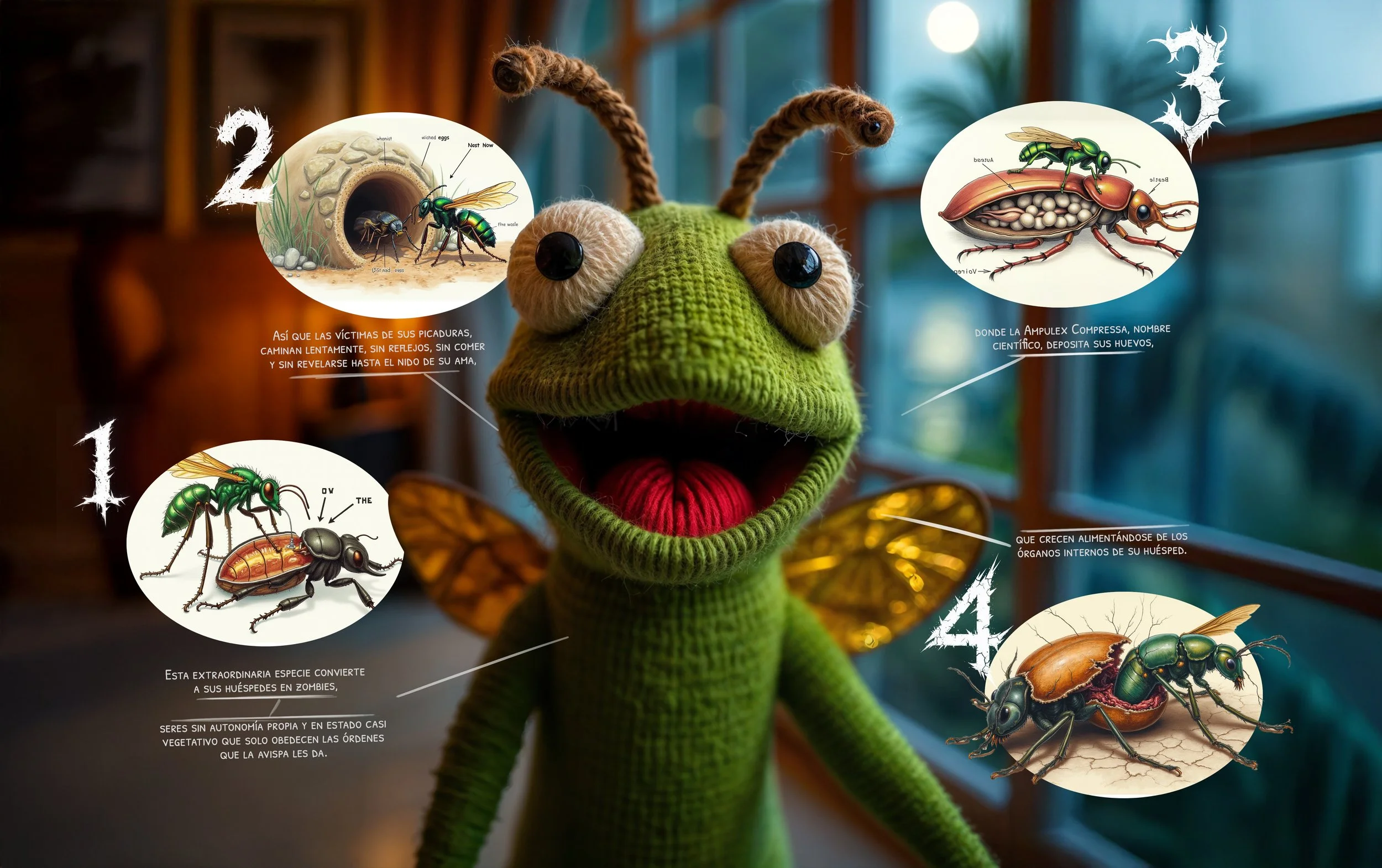
Pages from Rampant Rebirth, one of Latin America's earliest AI-generated graphic novels. More than 50,000 images were created during its development.
The Publishing Challenge
Interestingly, generating the novel was not the hardest part.
Publishing it was.
Some publishers were hesitant.
Some editors were uncomfortable.
A few simply did not know how to evaluate a project created with AI.
The resistance was understandable.
The technology was new.
The rules were unclear.
Many people were still deciding how they felt about AI-generated creative work.
The project often generated curiosity.
But it also generated uncertainty.
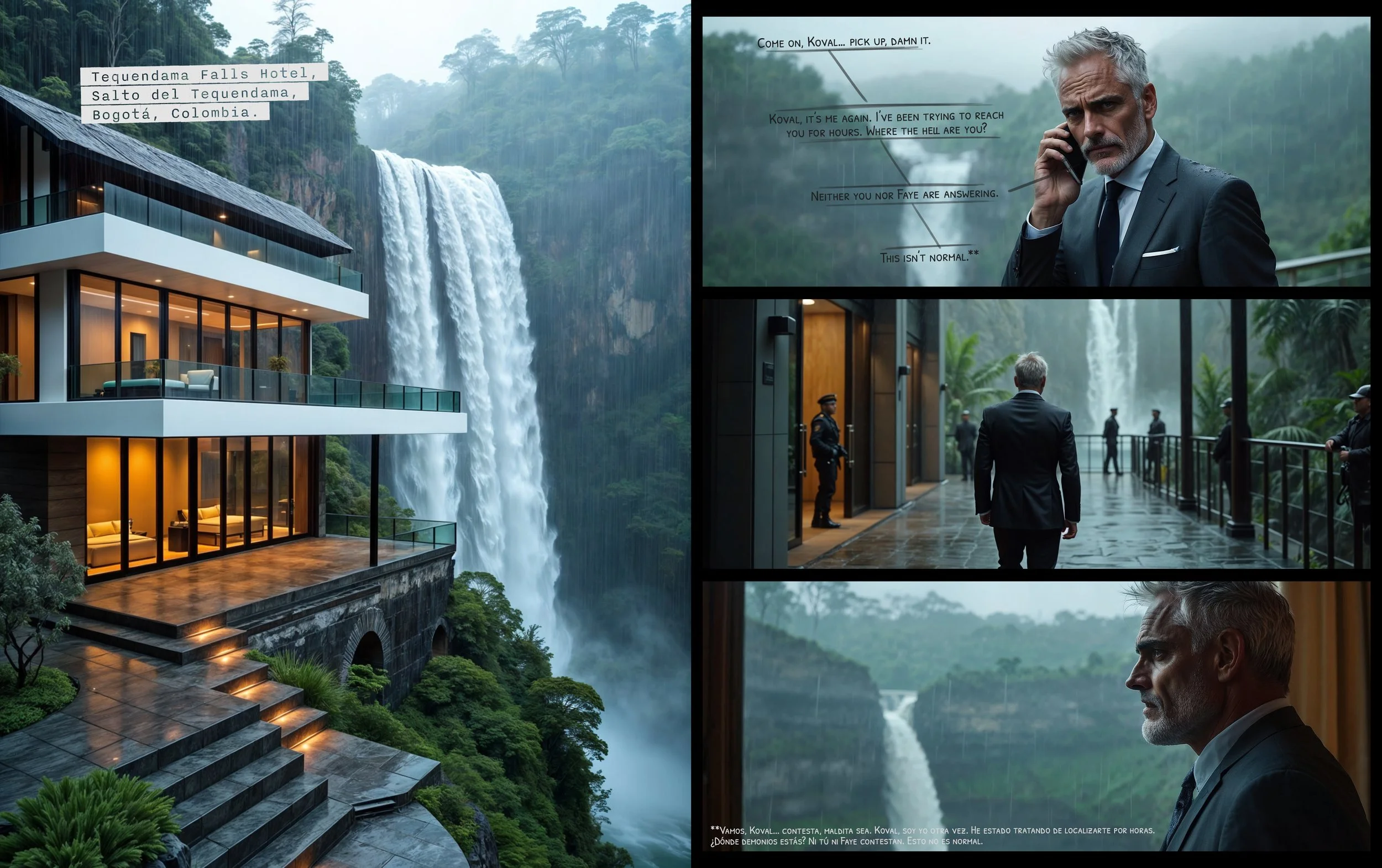
Pages from Rampant Rebirth, one of Latin America's earliest AI-generated graphic novels. More than 50,000 images were created during its development.
A Surprising Reception
What happened next surprised me.
While some publishers and bookstores were hesitant, others immediately understood the significance of the experiment.
Eventually, one of Colombia's largest bookstore chains agreed to carry the book.
The project moved from an idea on a computer screen to a physical object that people could actually hold.
That moment felt important.
Not because of the technology.
Because it proved that the work could exist in the real world.

The Launch
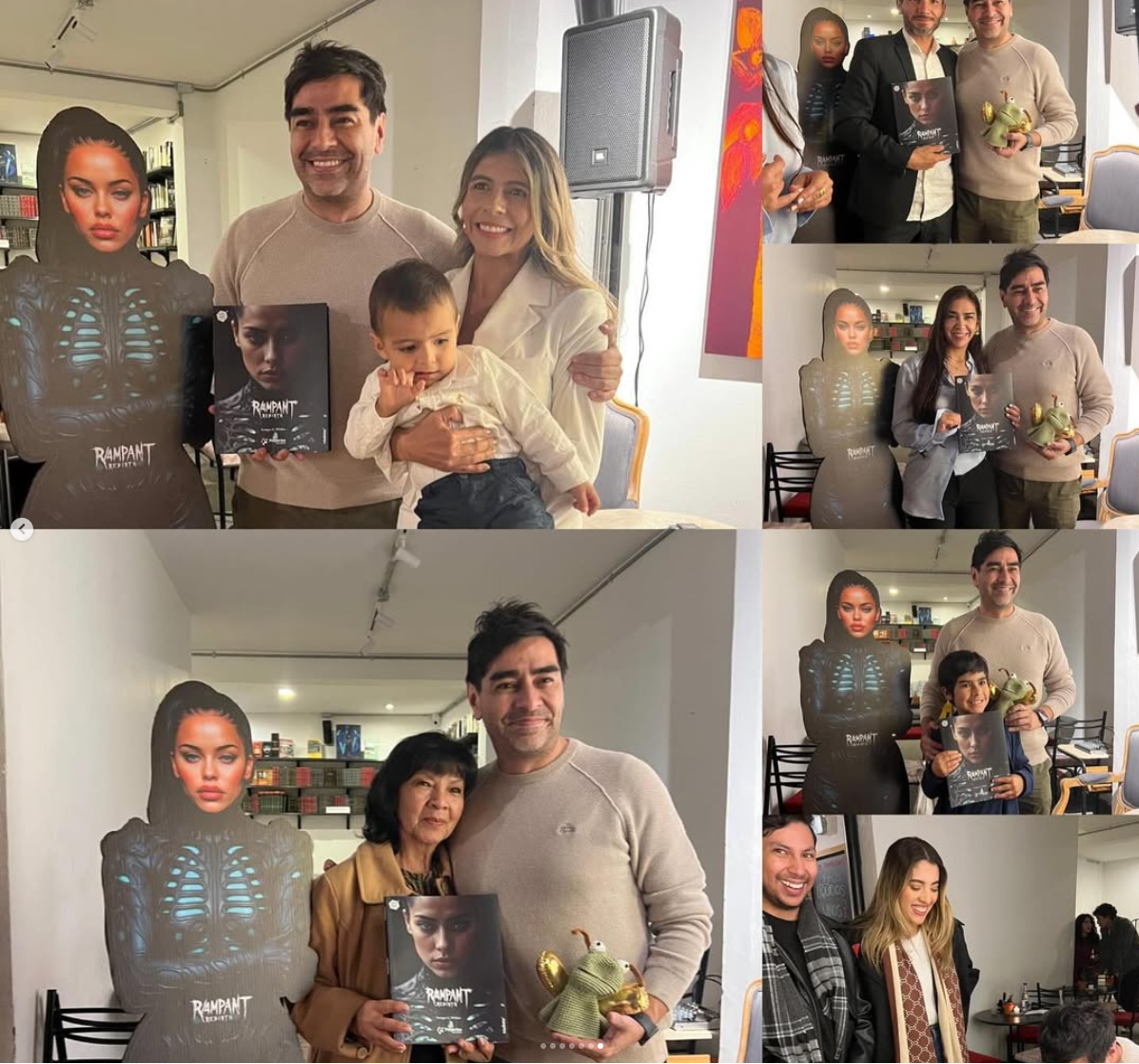
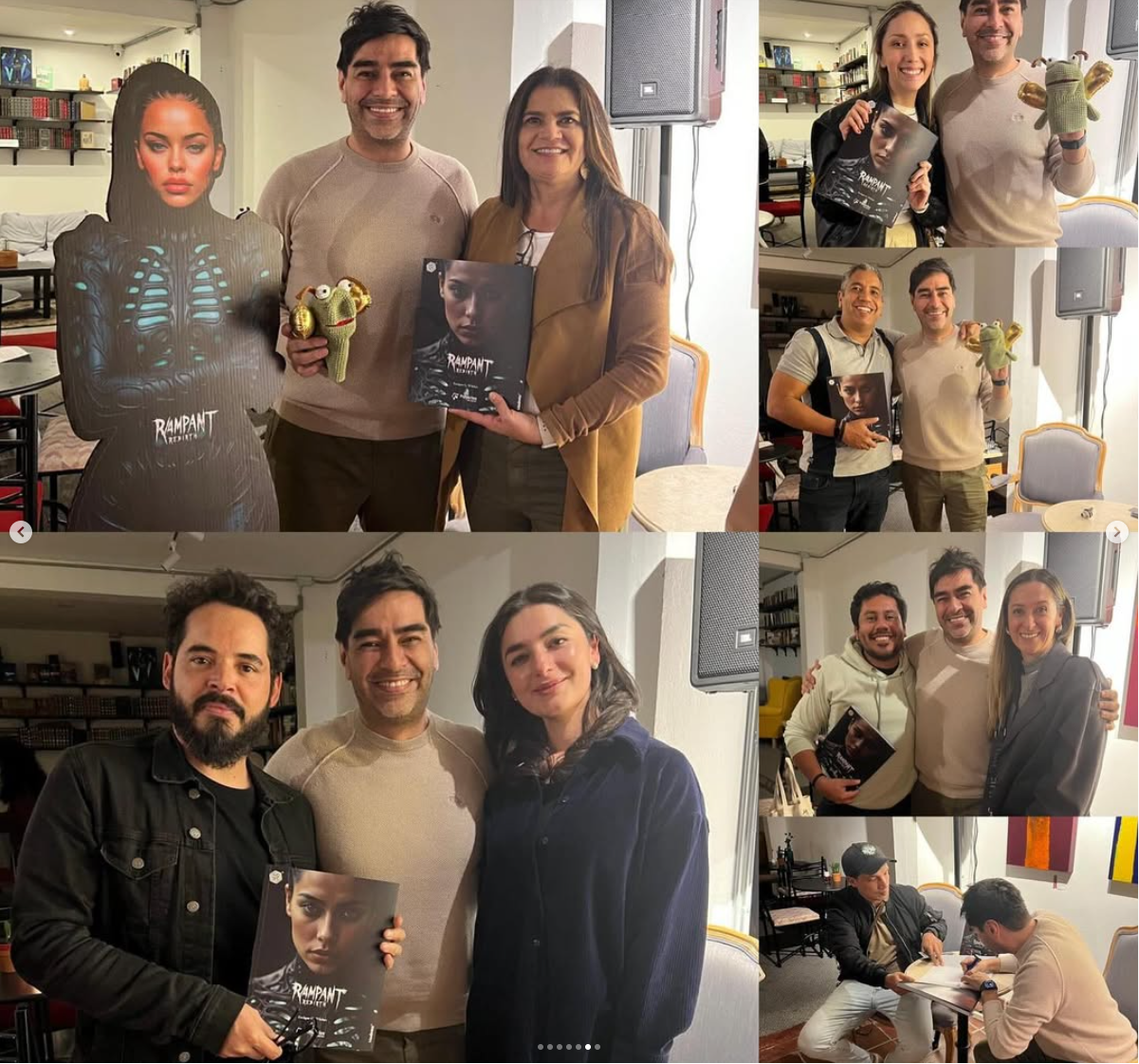
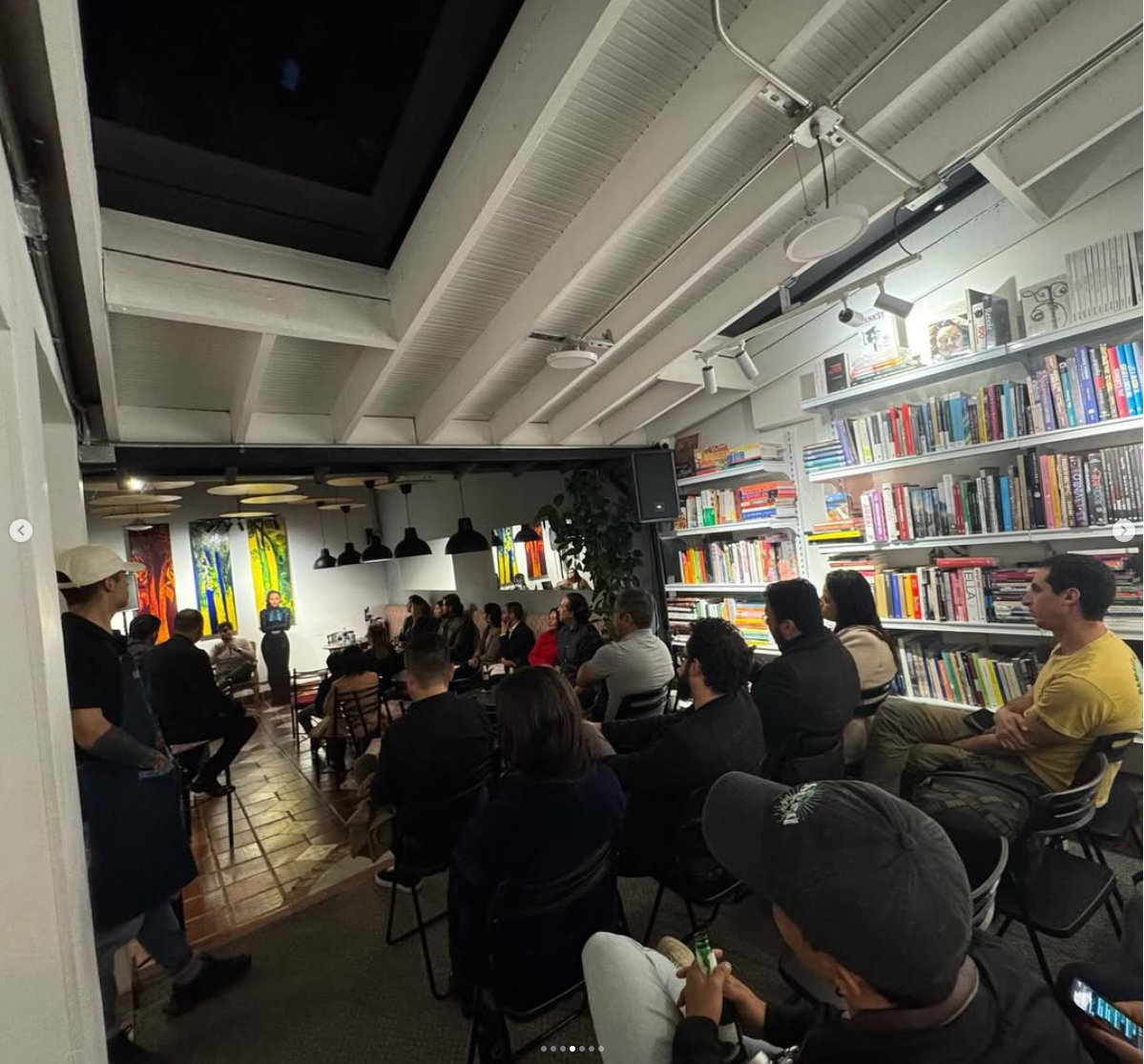
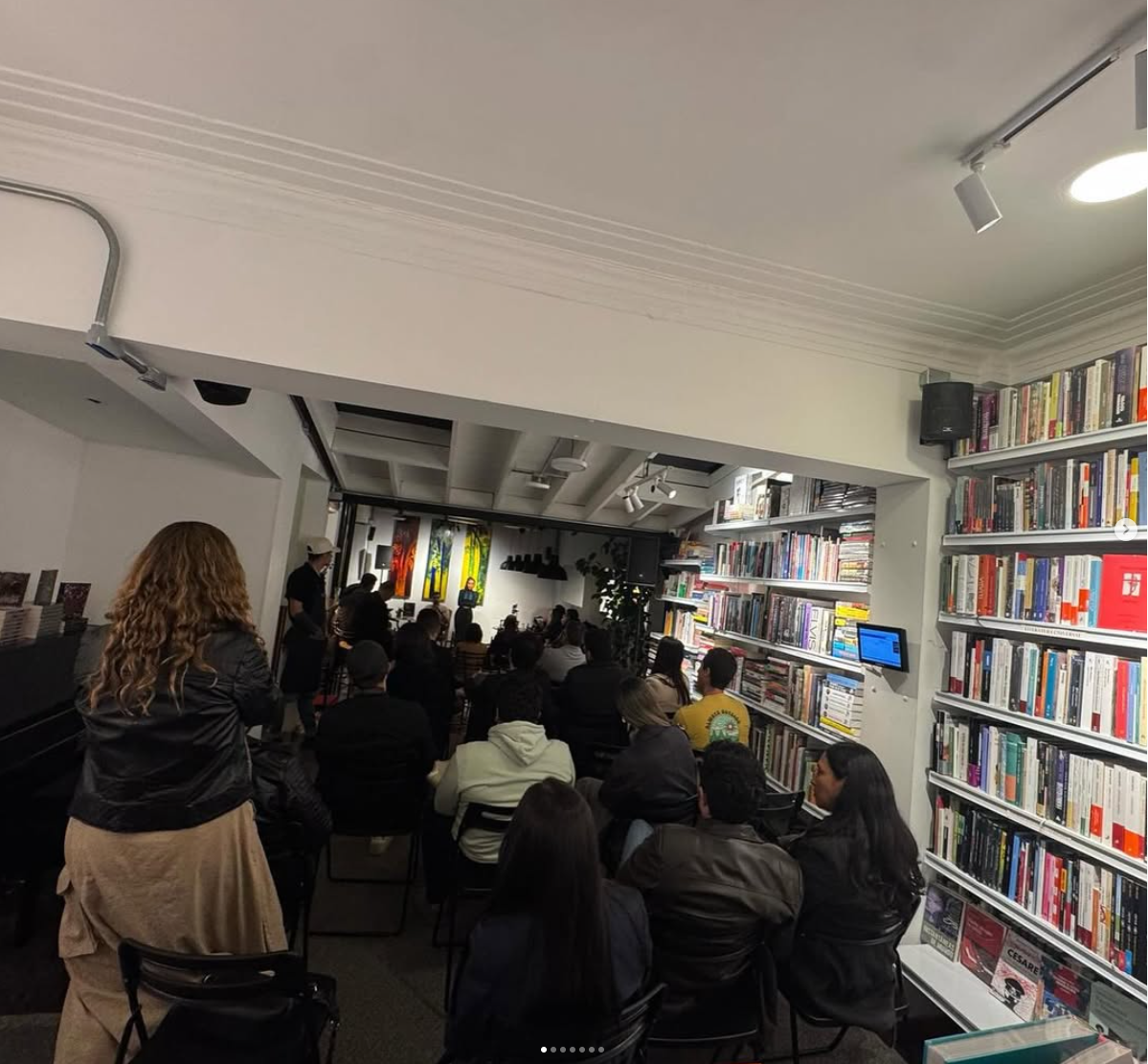
When we organized the first official launch event, I honestly had no idea what to expect.
Around fifty people attended.
Friends.
Colleagues.
Members of the creative community.
Curious observers.
For an experimental graphic novel created with AI, that felt like a success.
But the biggest surprise came later.
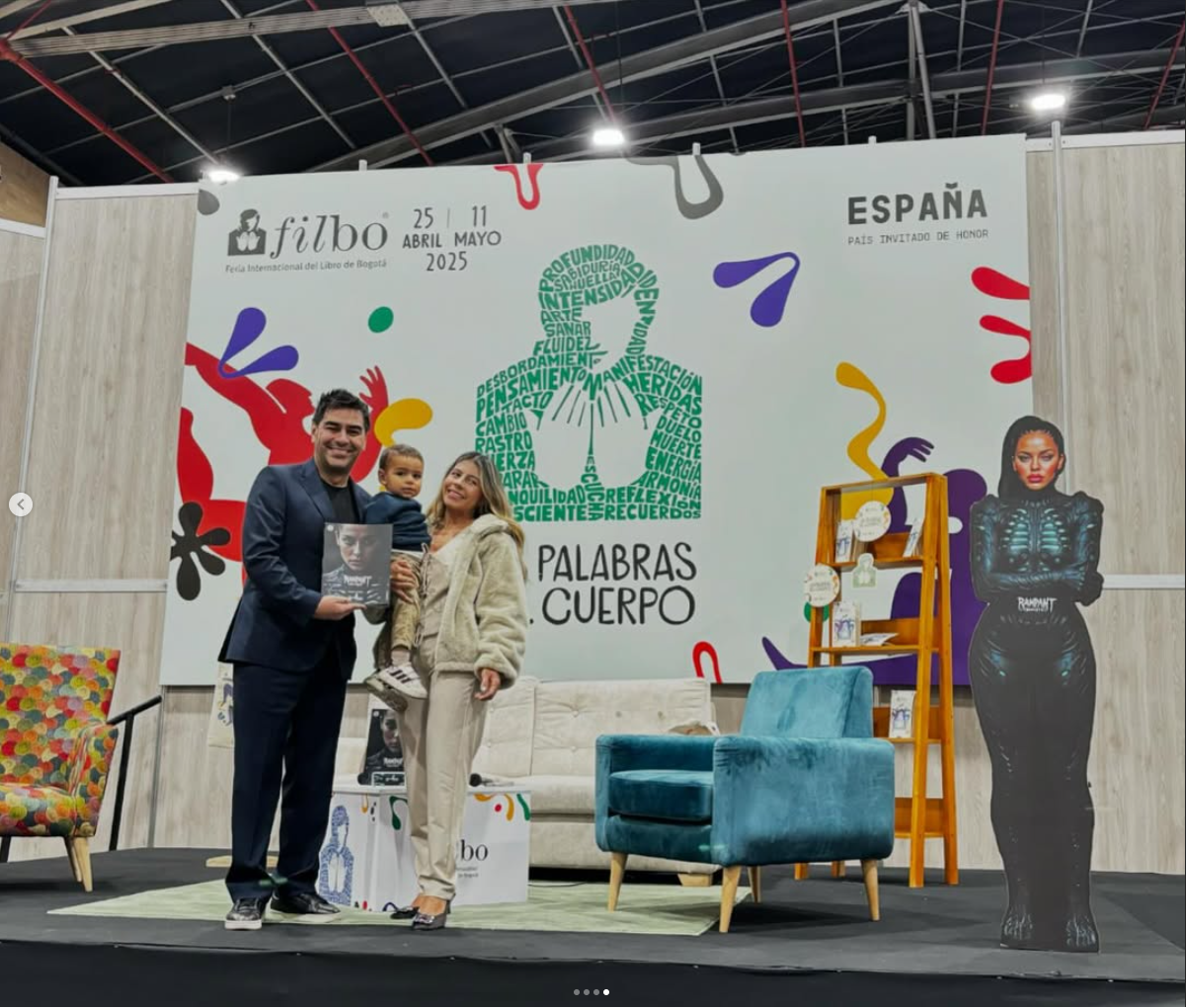
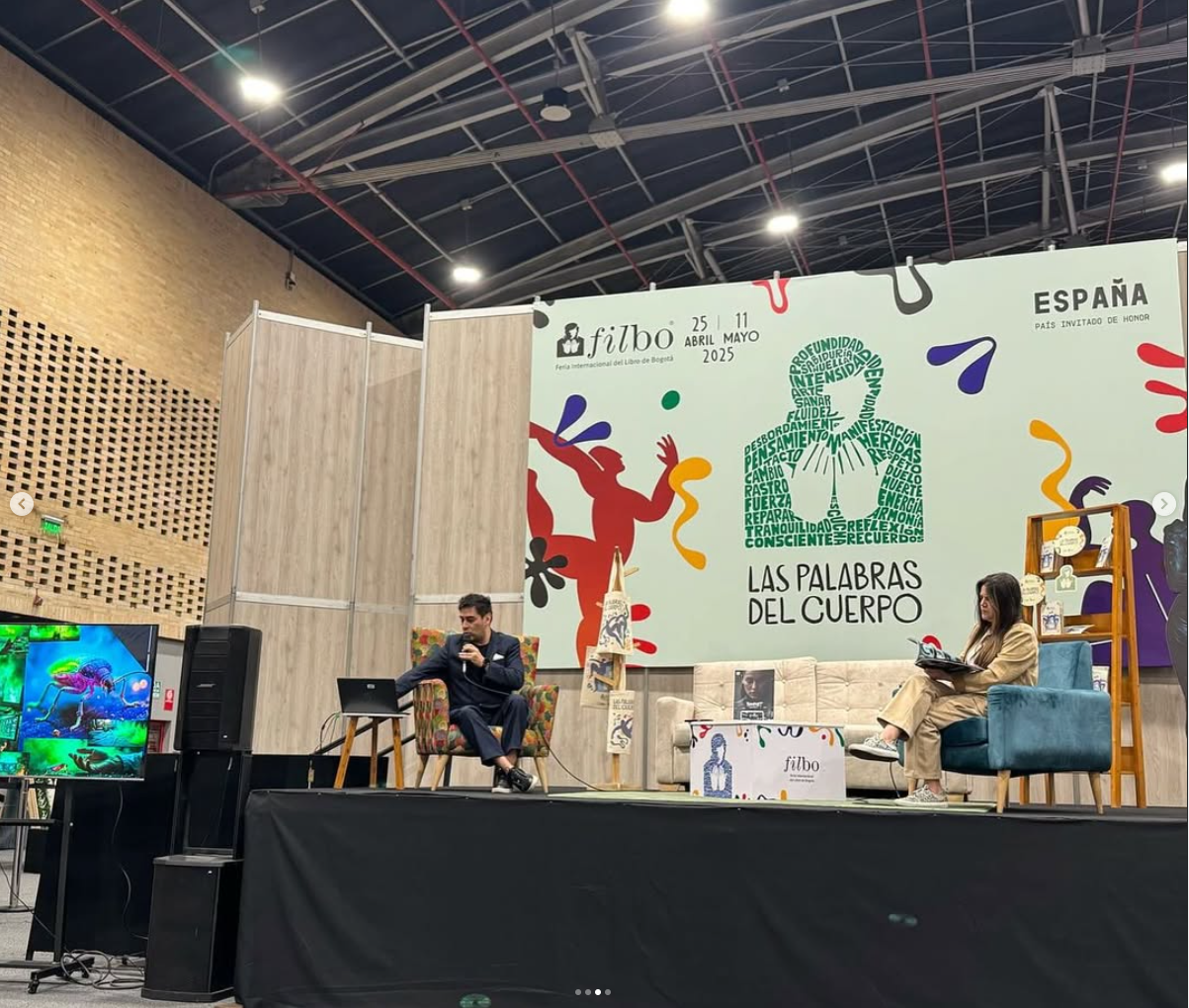
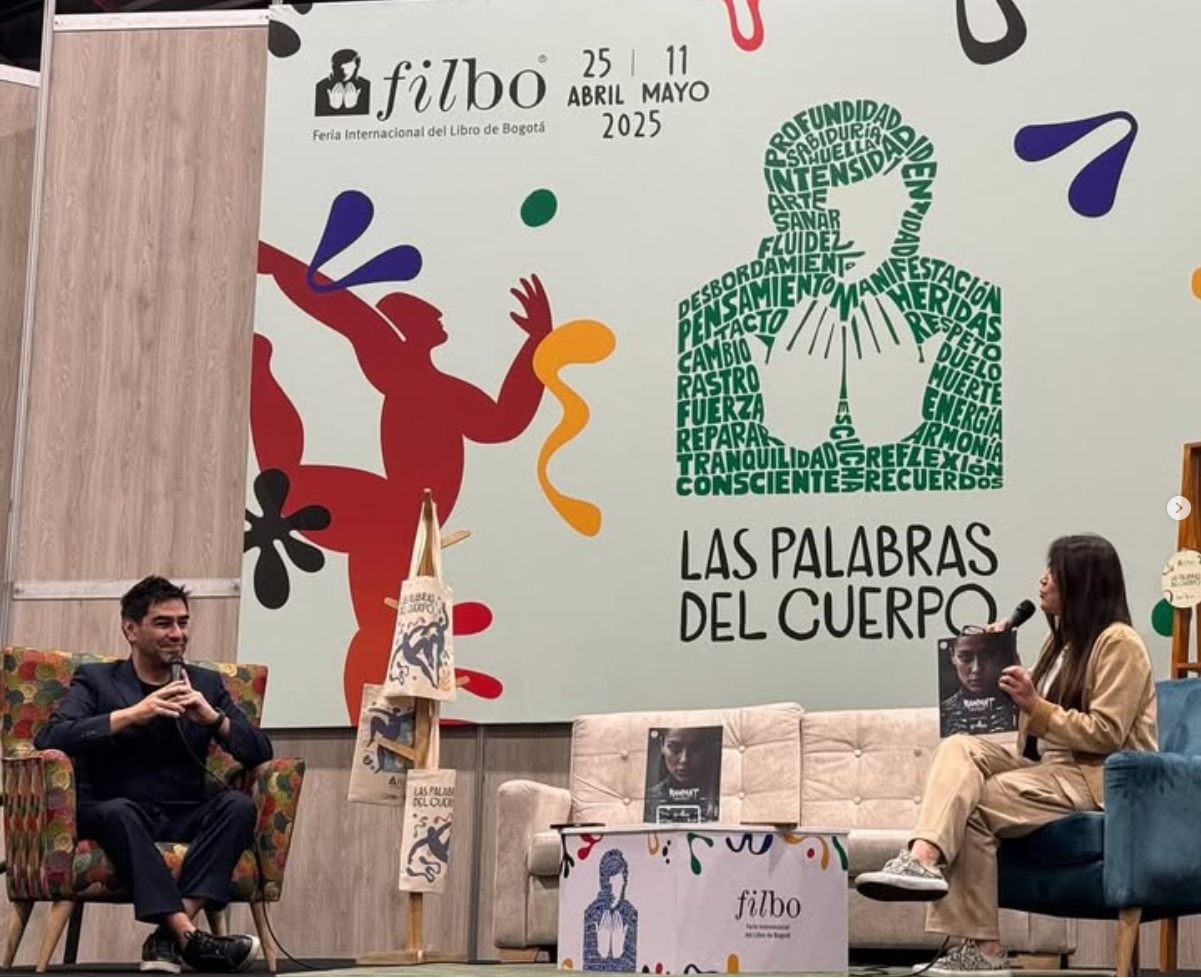
At the Bogotá International Book Fair, one of Latin America's most important literary events, the project was presented again.
The auditorium held roughly three hundred people.
It filled.
Not because readers already knew the story.
Not because the book had become a bestseller.
People attended because they were curious.
They wanted to understand what an AI-generated graphic novel actually looked like.
The technology opened the door.
The conversation brought people into the room.
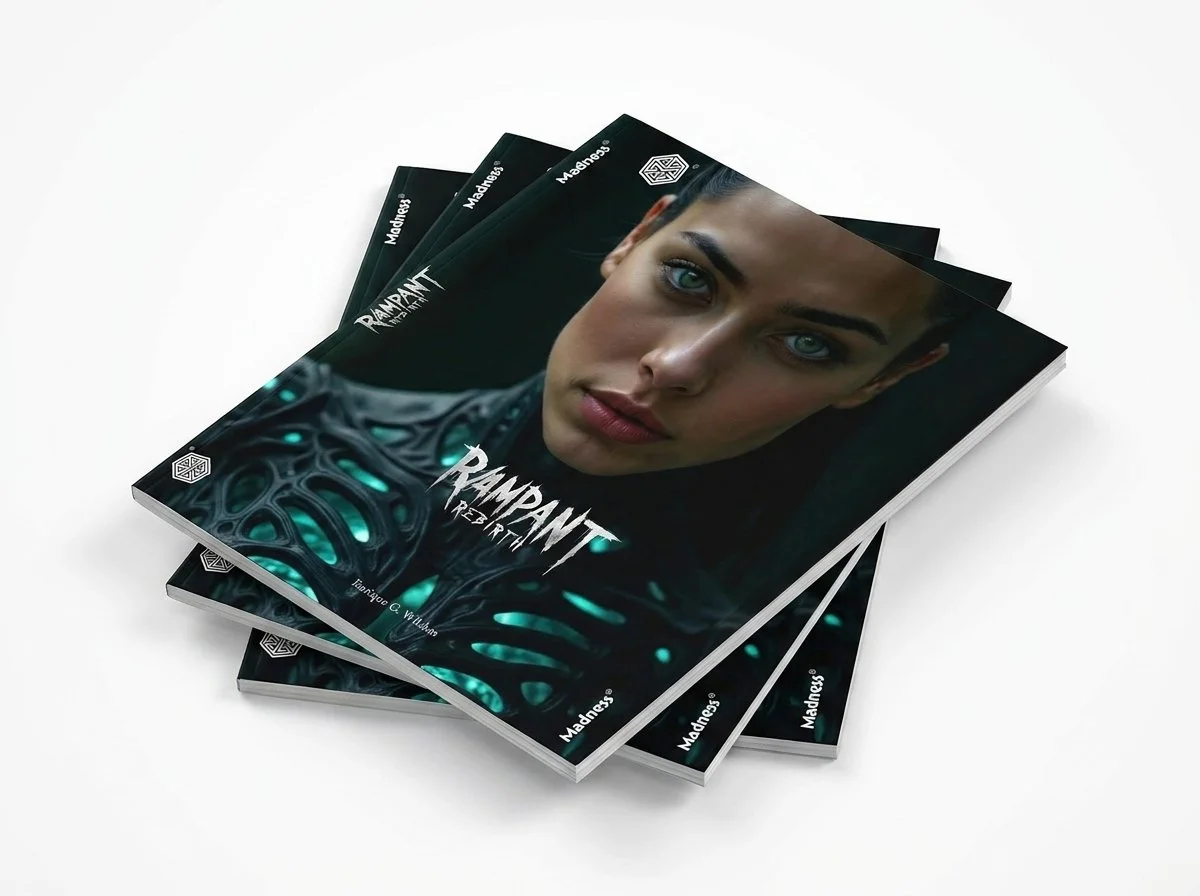
Cover from Rampant Rebirth, one of Latin America's earliest AI-generated graphic novels. More than 50,000 images were created during its development.
What The Project Really Taught Me
Looking back, the most valuable lesson was not technical.
It was creative.
AI did not write the story.
AI did not decide what mattered.
AI did not determine the emotional journey of the reader.
Those responsibilities remained human.
What the technology did provide was scale.
It allowed a project that might have required years of traditional production to become achievable for a small independent team.
The opportunity was not simply efficiency.
It was possibility.
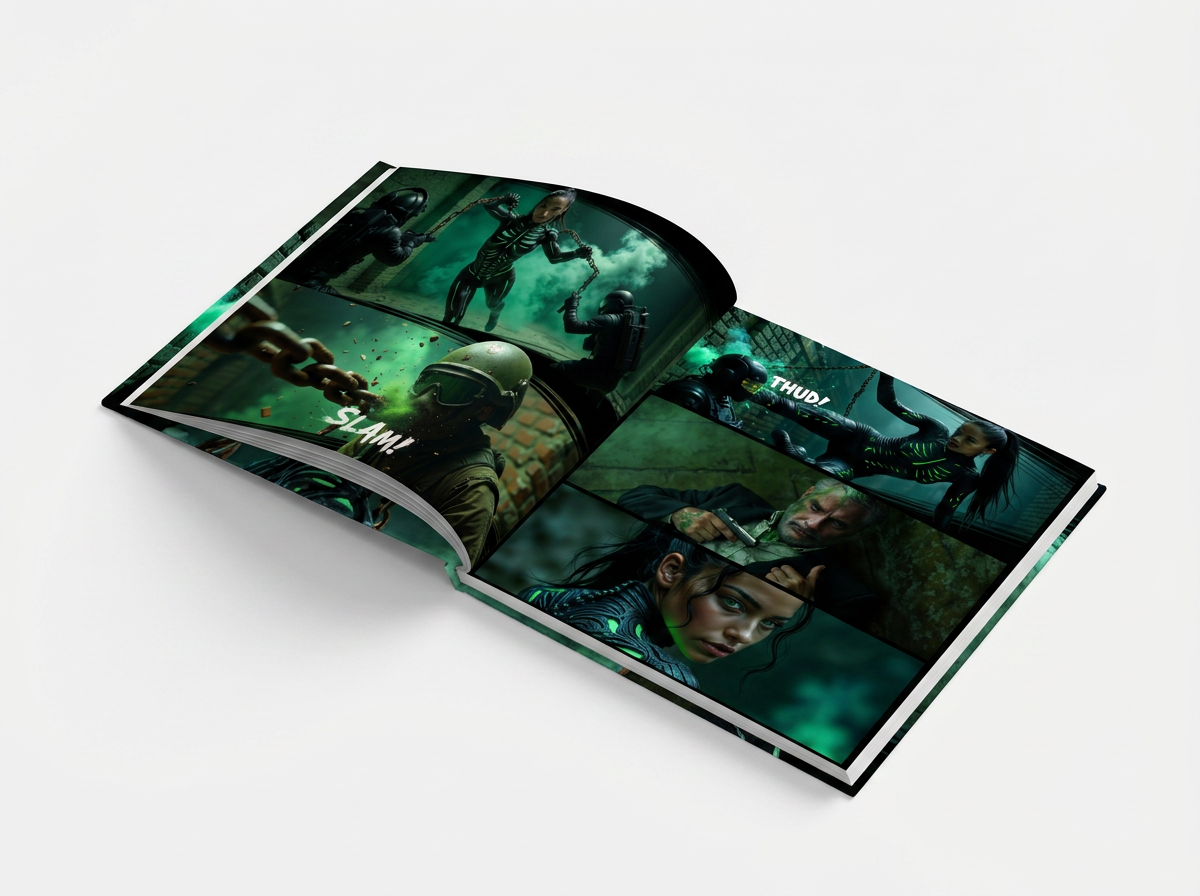
Pages from Rampant Rebirth, one of Latin America's earliest AI-generated graphic novels. More than 50,000 images were created during its development.
Why I Still Think About It
Years later, I no longer see the graphic novel as a technology project.
I see it as a storytelling project.
One that happened to use AI.
The experience fundamentally changed how I think about creative work.
Not because it convinced me that AI is the future of everything.
But because it demonstrated something much simpler.
New tools occasionally allow us to pursue ideas that would otherwise remain unfinished.
Projects that stay in notebooks.
Concepts that never leave the sketch phase.
Stories that never reach an audience.
The most exciting thing about technology is not what it automates.
It is what it makes possible.
And sometimes, what becomes possible is a 50,000-image graphic novel that was never supposed to exist in the first place.
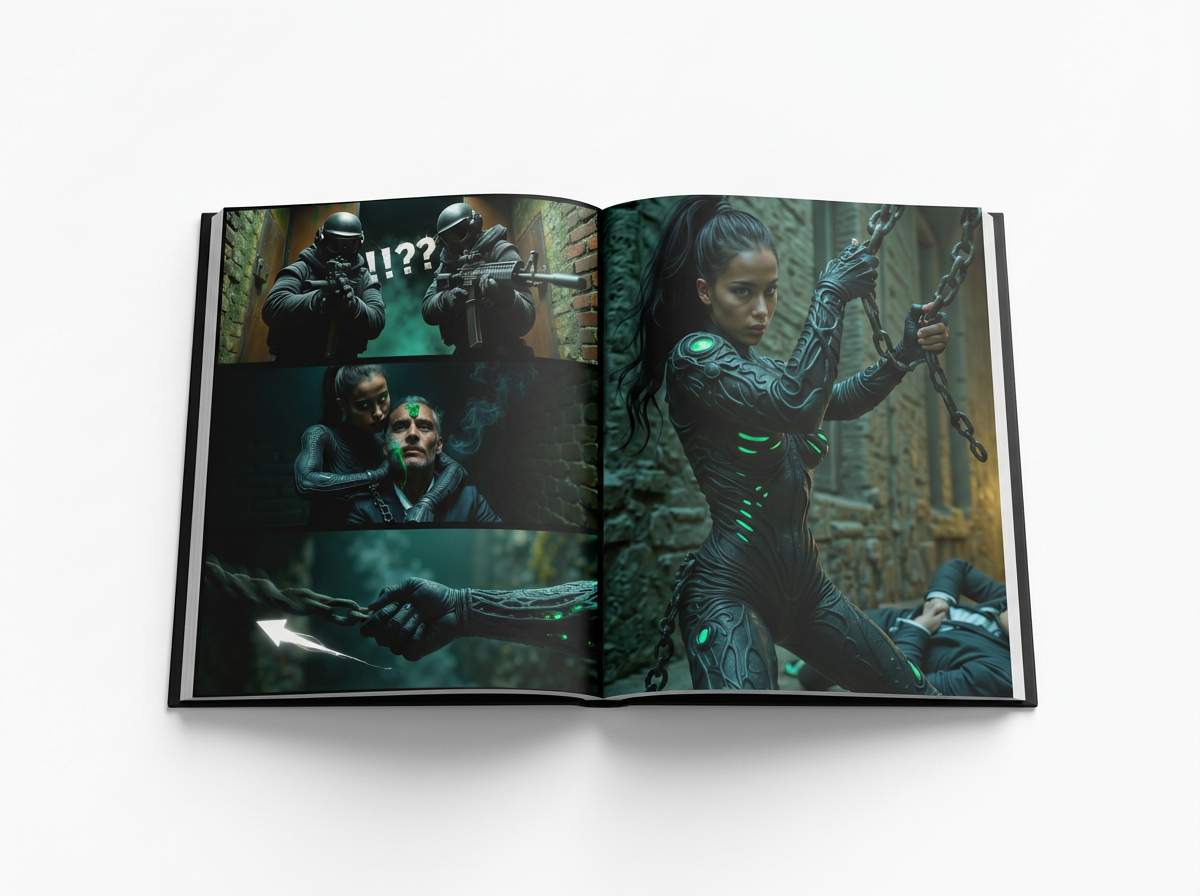
Pages from Rampant Rebirth, one of Latin America's earliest AI-generated graphic novels. More than 50,000 images were created during its development.